
Lionhead Goldfish Pond Care Guide: Wen Without Dorsal
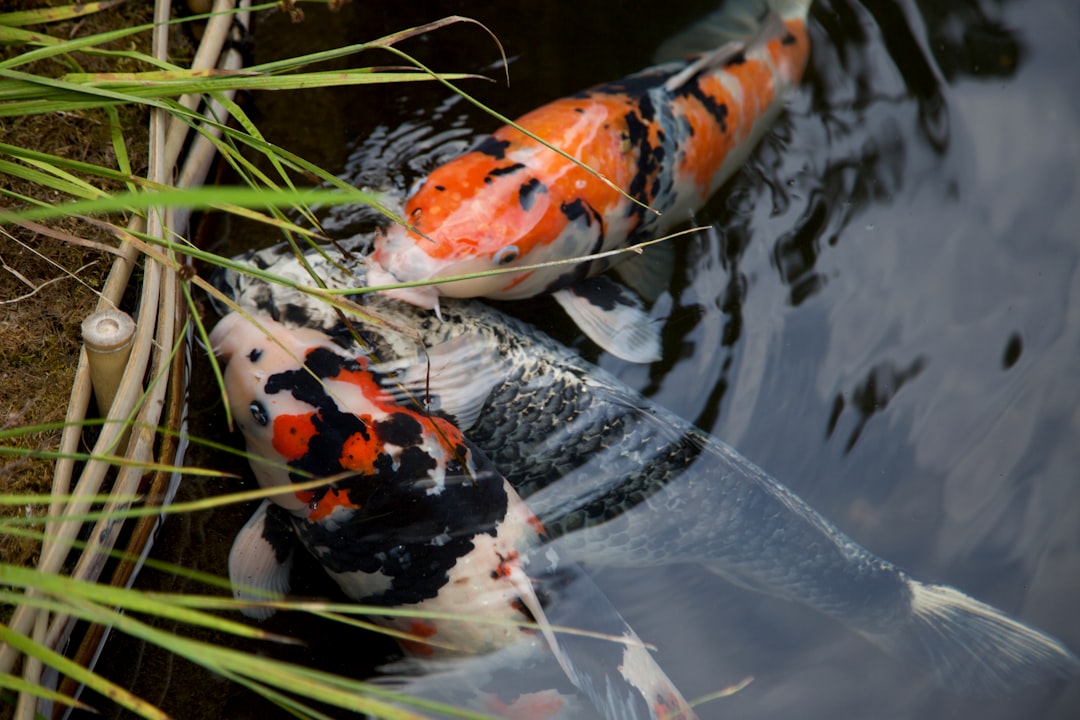
The lionhead is the older Chinese cousin of the Japanese ranchu — same dorsal-less profile, but with a wen cap that grows further down the gill plates and a slightly straighter back. The lionhead goldfish pond demands more attention than most fancies because the absence of a dorsal fin makes the fish a poor swimmer and the wen attracts bacterial issues if water quality slips. This guide from Gensou Aquascaping at 5 Everton Park covers the breed’s quirks, why most keepers raise them in shallow tubs rather than full ponds, and Singapore-specific care notes.
Lionhead vs Ranchu: The Distinguishing Marks
Both Carassius auratus variants share dorsal-less backs, but a lionhead has a flatter, less arched back, longer body, and wen growth that extends down to cover the cheeks and gill plates. Ranchu shows a sharper hump and smaller wen confined to the head. Body length matures at 15-22 cm. Colours include red, red-and-white, calico, and chocolate. Top-grade lionheads from Tianjin breeding lines fetch SGD 200+ at specialist Singapore importers.
Pond or Tub Setup
Most serious lionhead keepers use shallow concrete tubs (60-100 cm wide, 25-30 cm deep) rather than deep ponds. The shallow water shows off the wen and back from above, and the fish do not need to fight depth they cannot navigate. A 200-litre fibreglass tub suits a pair; group setups want 400-600 litres. Skip aggressive returns. Use sponge-baffled flow from the aquarium equipment range.
Water Chemistry and Ammonia Sensitivity
Lionheads are unusually sensitive to ammonia. The wen tissue absorbs dissolved organics quickly and becomes a substrate for opportunistic bacteria. Keep ammonia and nitrite at zero — even 0.1 ppm ammonia causes wen redness within days. Target pH 7.2-8.0, KH 4-6, temperature 20-28°C. Singapore ambient suits lionheads if shaded; avoid exposed west-facing positions where temperatures push past 30°C. Test water twice weekly with a liquid kit.
Filtration and Maintenance
Run biological filtration 1.5x rated tank volume. Mechanical pre-filtration matters more for lionheads than other goldfish because the wen catches particulate. Weekly 25-30 per cent water changes are standard, treated with conditioner from the water care and treatment shelf. Vacuum the substrate twice monthly. Many keepers skip substrate entirely and run bare-bottom tubs for easier debris removal.
Wen Care and Growth
The wen develops fully between months 12 and 30. It is dependent on protein quality and water cleanliness — under-fed or stressed fish develop sparse, pitted wens. Feed wen-specific formulations such as Hikari Lionhead pellet or Saki-Hikari at three small meals daily. Avoid letting bubbles or current dry the wen during pumping; it cracks easily. If white fungal patches appear, dose methylene blue and improve water turnover immediately.
Feeding the Slow Swimmer
Lionheads feed slowly and lose competitions to almost any other pond fish. Use sinking pellets only, sized 2-3 mm. Feed three to four small portions daily rather than two large ones. Variety matters: rotate Hikari Lionhead, Saki-Hikari Wheat Germ, and live or frozen daphnia twice weekly. Stock from the fish food and feeding range covers all three. Skip floating flakes — they cause swim bladder issues in egg-bodied fancies.
Tankmates and Compatibility
Keep lionheads with their own kind or with other equally slow fancies — ranchu, telescope eye, bubble eye, celestial. Never mix with single-tail goldfish (wakin, comet, shubunkin), which out-feed and out-swim them. Avoid plecos that may rasp the wen at night. Pond snails and cherry shrimp populate the substrate without trouble.
Singapore Sourcing and Pricing
Lionheads are specialty stock. Polyart, C328 Clementi, and Iwarna carry imports from Tianjin and Bangkok lines. Pet-grade fish at 8 cm cost SGD 25-60. Mid-grade with developed wen at 12 cm runs SGD 80-200. Show-grade Tianjin lionheads with full cheek wen and balanced body lines reach SGD 400-1500. Inspect for clear wen with no red streaks, an upright posture, and a wen that is symmetrical front-to-back. Quarantine 21 days minimum.
Related Reading



