
Mandarin Dragonet Breeding in Captivity: Copepod Culture and Pair Setup
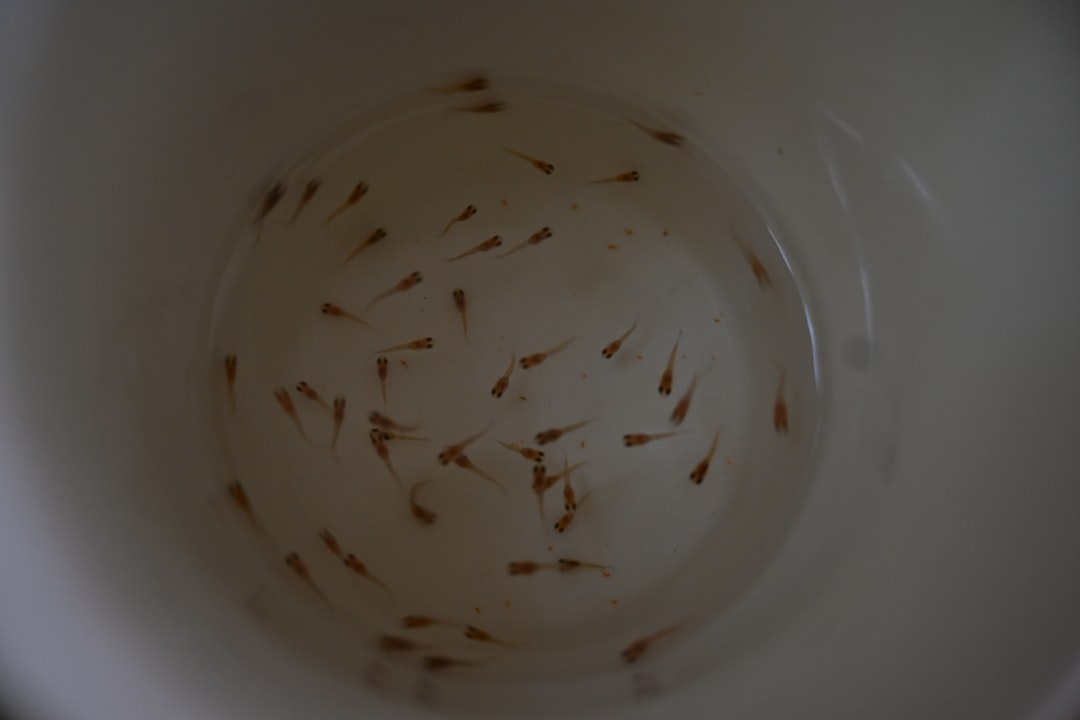
A sustained pair of Synchiropus splendidus spawning at dusk is one of the most rewarding sights in marine fishkeeping, and mandarin dragonet breeding captive success has moved from near-impossible to genuinely achievable for dedicated hobbyists over the past decade. This guide from Gensou Aquascaping at 5 Everton Park distils what we have seen work across client tanks and our own broodstock setup: dedicated species tanks, relentless copepod culturing, and patience measured in months rather than weeks. It is not a project for a first reef, but it is within reach for the second or third.
Quick Facts
- Mandarin dragonets spawn year-round in captivity when well-fed and paired correctly
- Spawning happens at dusk, with a vertical rise and egg release into open water
- Eggs are pelagic, around 0.7mm diameter, and hatch in 12-18 hours at 25°C
- Larvae cannot eat rotifers; they require wild-caught or cultured copepod nauplii
- Metamorphosis occurs around day 14-21; survival rates are low without live food rotation
- A dedicated 40-100L broodstock tank works better than attempting in a display reef
- In Singapore, tisbe and parvocalanus copepod starter cultures run $25-50 SGD
Sourcing and Sexing a Pair
Males carry a conspicuously elongated first dorsal fin ray and are typically 15-20% larger than females. Buy the pair together from shops that have had them in stock for at least three weeks, because imported mandarins often arrive underweight and need fattening before any spawning thought. Iwarna Aquafarm and Reef Depot both carry captive-bred specimens from ORA when available, and these fish eat pellet straight out of the box.
Wild-caught mandarins can be conditioned onto pellet with patience, but the process takes weeks and many will only ever accept live pods. Budget accordingly, and if you are new to dragonets, start with captive-bred.
Broodstock Tank Setup
A 60-100L bare-bottom or thin-sand tank with abundant live rock, moderate flow, and stable temperature at 24-25°C is the sweet spot. Include one or two small caves and a dense patch of chaetomorpha tied to rock. Chaeto houses copepods and makes the tank feel secure to the fish. Filtration can be a small HOB refugium plus a nano skimmer.
Keep the tank in a low-traffic room. Dragonets pair-bond through regular dusk display behaviour, and a tank that gets bright flash photography at spawning time tends to fail.
Feeding the Broodstock
The pair needs to be fat. Feed live tisbe or tigriopus copepods daily, supplement with enriched baby brine shrimp twice a week, and offer pellet like TDO Chroma Boost A for fish that accept it. The female’s egg production scales directly with feeding: a skinny female will spawn tiny clutches of low viability.
A running refugium connected to the broodstock tank provides continuous pod input and roughly halves the bought-pod bill. Chaeto plus a cheap full-spectrum refugium light on a reverse photoperiod is enough.
Recognising Spawning Behaviour
Dusk is the window. Twenty to forty minutes before lights out, the male begins displaying his dorsal fin and circling the female. If she is receptive, the pair rises together in a slow vertical spiral to within 5-15cm of the surface, release eggs and sperm, and dart back down. The whole event takes under a minute.
Once you see a pair spawn, they will usually spawn every evening or every other evening for weeks. Mark the clock; consistent timing helps egg collection.
Egg Collection Methods
The simplest egg collector is a floating skimmer built from an air-driven standpipe that draws surface water through a fine mesh. Eggs rise to the surface within 10 minutes of release. A mesh of 300-500 microns catches eggs without trapping copepods.
Transfer collected eggs to a 5-10L bare hatching container with gentle aeration and water matched to the broodstock tank. A drop of methylene blue reduces fungal loss. Do not use sponges or mechanical filtration during the first 48 hours.
Larval Rearing and First Foods
This is the hard part. Newly hatched mandarin larvae have mouths around 100 microns and cannot eat rotifers. They require copepod nauplii, specifically the smallest instar of Parvocalanus or Apocyclops. A continuously productive copepod culture is non-negotiable.
Feed to visible density twice daily for the first ten days, then gradually introduce enriched rotifers and eventually baby brine. Green water the larval container with Nannochloropsis or Isochrysis paste to extend nauplius viability and shade the larvae.
Copepod Culture Workflow
Run three parvocalanus cultures staggered by five days each in 10-20L buckets with gentle air, fed live phyto daily. Harvest the oldest culture through a stack of sieves (75 micron to catch adults, 45 micron to catch nauplii) and return adults to the next culture. This rotation gives you daily nauplius harvests indefinitely.
Metamorphosis and Growout
Around day 14-21, the swimming larva settles to the bottom and takes on recognisable dragonet shape, colour bars, and benthic behaviour. At this point they begin eating small copepod adults and eventually enriched brine. Move settled juveniles to a bare-bottom growout with abundant pods once they are confidently feeding, usually day 30-40.
Colour develops between weeks 6 and 10. By three months, juveniles are saleable size and recognisably mandarin.
Realistic Expectations
A first attempt often produces hundreds of eggs and zero survivors to metamorphosis. A second or third attempt, with culture infrastructure dialled in, might yield 5-20 juveniles per spawn. Commercial hatcheries report 30-50% larval survival, but those use specialised green-water systems and dedicated staff. Treat backyard breeding as a long-term craft rather than a production line.
Related Reading



