
Seahorse Species Guide for Beginners: Hippocampus Erectus, Reidi, Kuda
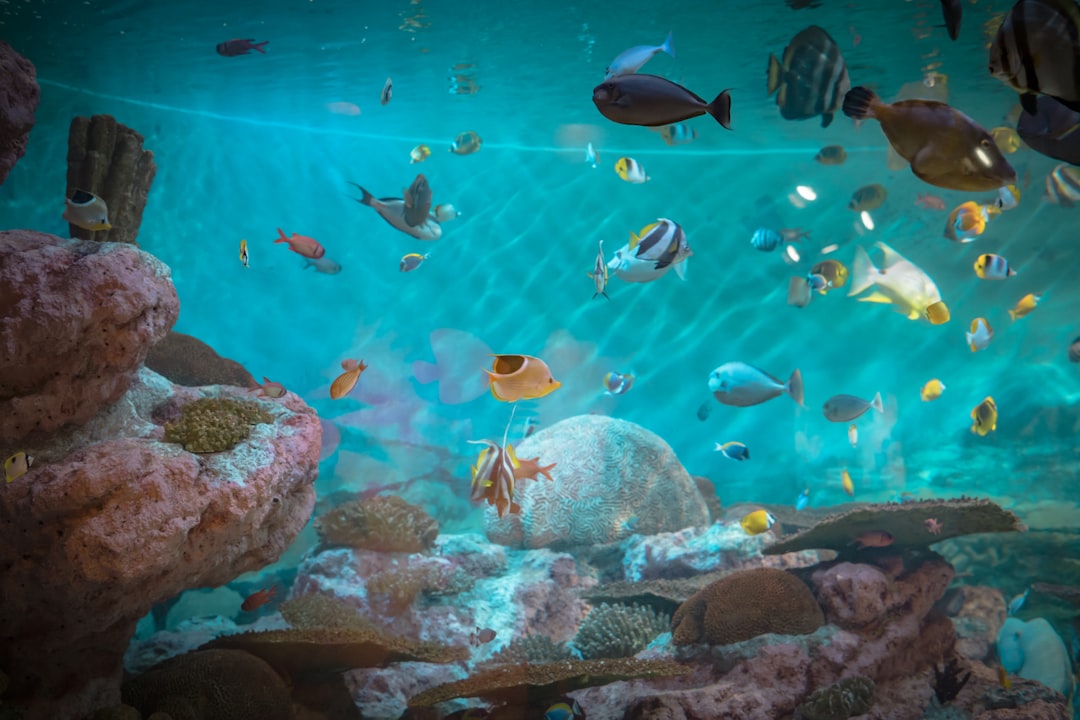
Choosing the right species is the difference between a thriving seahorse display and a painful six-month lesson in marine invertebrate medicine. This seahorse species guide beginners focuses on the three species Singapore hobbyists actually encounter — Hippocampus erectus, H. reidi, and H. kuda — and covers the practical differences that matter before you buy. Gensou Aquascaping at 5 Everton Park has helped many first-time seahorse keepers set up dedicated species tanks, and the species choice drives every downstream decision from temperature to tankmates.
Quick Facts
- All three species grow to 15-20cm and need tanks of at least 120L per pair
- H. erectus is the hardiest captive-bred option and tolerates the widest temperature range
- H. reidi is the most colourful but also the most sensitive to water quality
- H. kuda is the local tropical species and the only one suited to unchilled Singapore ambient
- Captive-bred stock from Ocean Rider or local breeders is strongly preferred over wild-caught
- All seahorses need twice-daily feeding of enriched mysis or frozen brine minimum
- Male pregnancy and brood pouch birth are genuine features, not marketing
Why Species Choice Matters First
Seahorses differ in temperature tolerance, flow preference, feeding response, and bacterial vulnerability far more than most marine fish. A mismatch between species and system is the leading cause of death in first-time keepers. Before you read equipment guides, settle the species question, because the species dictates whether you need a chiller at all, what flow pumps to buy, and which tankmates are safe.
Hippocampus erectus: The Sensible Default
The lined seahorse is native to the Atlantic coast of the Americas and is the species most commonly offered as captive-bred. Adults reach 18-20cm. Colours range from yellow and orange to dark brown and black, and individuals will shift colour based on mood and surroundings over weeks.
Temperature tolerance is the key advantage: H. erectus does well at 22-24°C, which is cooler than tropical Singapore ambient but achievable with a modest 1/10 HP chiller on a 150L tank. They feed readily on frozen mysis from day one, rarely refuse food, and resist the bacterial issues that plague other species. If you are unsure, buy erectus.
Hippocampus reidi: The Colourful Challenge
The longsnout seahorse from the Caribbean and Brazil is the most visually striking of the three, with electric yellows, oranges, and occasional reds that persist better in captivity than most. Adults reach 15-17cm with a distinctively elongated snout.
The catch is sensitivity. Reidi are more vulnerable to vibrio and mycobacterium infections, show faster decline under suboptimal water quality, and tolerate a narrower temperature band (23-25°C). They also often arrive accustomed to live food only, and the transition to frozen mysis can take weeks. Buy reidi only after keeping erectus for a year, or source a captive-bred pair that is already eating frozen.
Hippocampus kuda: The Local Tropical
The yellow seahorse or common seahorse ranges throughout the Indo-Pacific, including waters off Singapore. Wild-caught specimens occasionally appear in local shops, though CITES restrictions and ethical concerns make captive-bred the clear choice where available. Adults reach 17-20cm.
The practical advantage of kuda is temperature. They thrive at 26-28°C, meaning a Singapore living room at ambient temperature often works without a chiller if you have a clip-on fan managing peak-day spikes. This is the only species we recommend without reservation to keepers who cannot install a chiller. Wild-caught kuda from Indonesian collectors are widely available but notoriously hard to feed; captive-bred stock from local breeders commands $80-150 SGD per pair and is the correct starting point.
Comparing Temperature Demands
Temperature compatibility with your room is the first filter. A west-facing HDB flat running 30-32°C ambient can host kuda easily, erectus with a chiller, and reidi only with a well-sized chiller and careful monitoring. A ground-floor condo with good cross-ventilation running 27-29°C can host kuda without any chilling and erectus with fan evaporative cooling alone.
Feeding Differences
Captive-bred erectus and kuda from reputable breeders eat frozen mysis reliably. Reidi and any wild-caught specimen often require live food for weeks or months during the transition. A continuously running brine shrimp hatchery and access to live mysis shipments from local farms is realistic only if you are prepared for the logistics. This is another reason erectus or captive-bred kuda is the right first species.
Flow and Oxygenation
All three prefer calm to moderate flow that they can rest against with their tails wrapped around hitching posts. Too little flow causes detritus accumulation and bacterial issues; too much exhausts them and prevents feeding. A single MP10-class powerhead on lowest setting, or two small return outlets angled to create gentle circulation, suits most seahorse tanks.
Surface agitation is more important than current speed, because dissolved oxygen matters for animals that cannot swim hard against a current.
Tankmates Per Species
None of the three should share a tank with fast-feeding tankmates like clownfish, wrasses, or tangs. Peaceful pipefish of the same size, small gobies, and banggai cardinalfish (kept slowly fed) can work with erectus and kuda. Reidi is best kept alone or with its own kind given their sensitivity.
Making the Choice
For a first seahorse tank in Singapore, kuda captive-bred is the lowest-friction path. For a keeper with marine experience and a chiller already, erectus offers colour variation and genuinely robust temperament. Reidi is for your second or third seahorse project, not your first.
Related Reading



