Natural Wildlife Pond Design for Singapore: Frogs, Dragonflies and Plants
Singapore sits within one of the world’s richest biodiversity hotspots, and even a modest garden pond can become a thriving micro-ecosystem. A thoughtful natural wildlife pond design for Singapore attracts frogs, dragonflies, damselflies and native insects while adding a wild, untamed beauty to your outdoor space. At Gensou Aquascaping Singapore, we have created wildlife ponds across landed properties that hum with life within weeks of filling. Here is how to design one that works with our tropical environment.
What Makes a Wildlife Pond Different
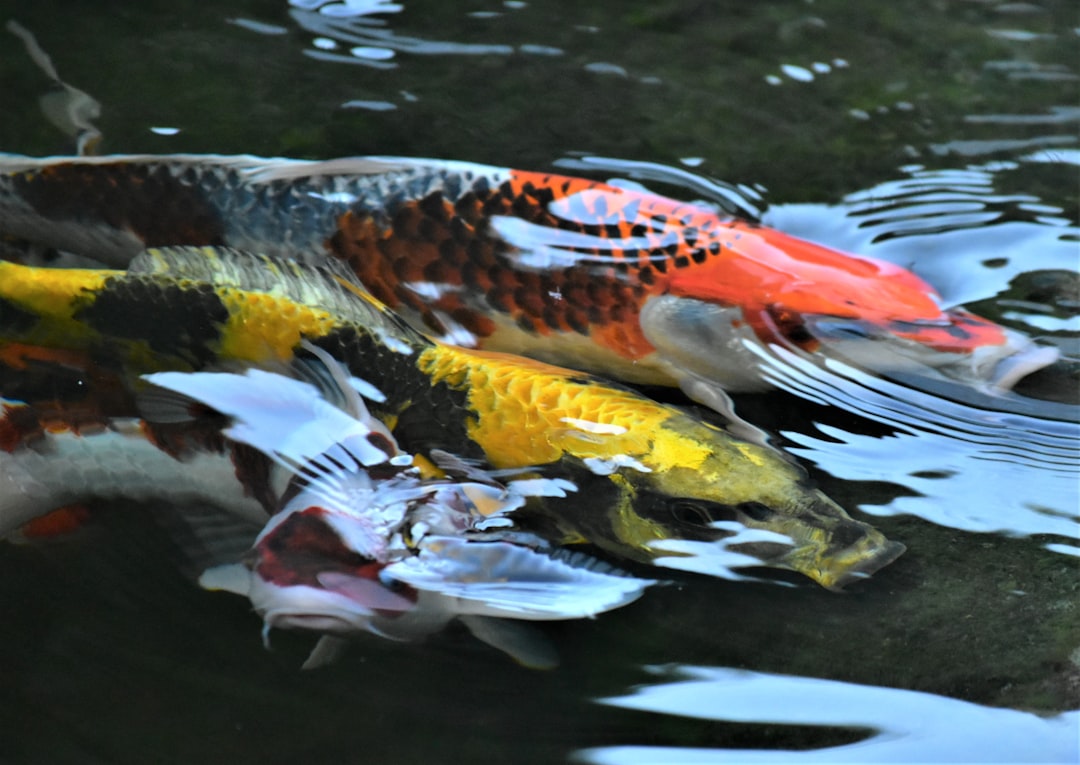
Unlike ornamental koi ponds, a wildlife pond prioritises habitat over aesthetics. It features shallow margins for amphibians to enter and exit, dense planting for shelter and egg-laying, and no fish that would eat larvae and tadpoles. Filtration is biological rather than mechanical, relying on plants and beneficial bacteria to maintain water quality. The result is a self-sustaining ecosystem that requires far less intervention than a traditional garden pond.
Shape, Depth and Edges
Irregular, organic shapes with varied depth zones create the most diverse habitats. Include a shallow beach area of 50–100 mm depth along at least one edge so frogs, birds and small creatures can wade in safely. A deeper central zone of 400–600 mm provides thermal refuge during Singapore’s hottest months when shallow margins can exceed 34 °C by midday. Sloped edges planted with emergent vegetation are far more wildlife-friendly than vertical walls.
Use an EPDM liner rather than a preformed shell. The flexibility lets you sculpt gentle gradients and pockets that rigid shapes cannot replicate.
Plants for a Singapore Wildlife Pond
Native and naturalised species attract local wildlife most effectively. Nymphoides indica (water snowflake) provides floating cover and tiny white flowers that attract pollinators. Eleocharis dulcis (water chestnut) and Cyperus alternifolius create emergent stands where dragonflies perch and lay eggs. Pistia stratiotes (water lettuce) and Salvinia molesta offer floating shade but need regular thinning to prevent them from smothering the surface.
Surround the pond with moisture-loving terrestrial plants like Heliconia species and Costus speciosus to create a transitional zone between water and garden. This buffer zone shelters frogs and provides landing platforms for dragonflies.
Attracting Frogs and Amphibians
Singapore is home to at least 30 frog species, and several readily colonise garden ponds. The common Asian toad (Duttaphrynus melanostictus) and the four-lined tree frog (Polypedates leucomystax) are the most frequent visitors. Provide flat stones and log piles beside the pond for daytime hiding spots. Avoid pesticides and chemical treatments in and around the pond; frogs absorb toxins through their skin and are highly sensitive to pollutants.
Within a few months, you may hear the distinctive calls of male frogs at night, a sure sign your pond has been accepted as viable breeding habitat.
Dragonflies and Damselflies
These aerial predators are among the first insects to arrive at a new pond. Provide vertical stems or thin stakes rising above the water surface where emerging nymphs can climb out and expand their wings. Species like the common parasol (Neurothemis fluctuans) and the blue dasher are regular sights at ponds near nature corridors in areas like Sungei Buloh and the Rail Corridor. Even urban gardens in Tiong Bahru and Tanjong Pagar attract dragonflies if the habitat is right.
Mosquito Management Without Fish
The concern everyone raises about fishless ponds in Singapore is mosquitoes. Moving water from a small solar pump disrupts mosquito egg-laying. Bacillus thuringiensis israelensis (BTI) dunks, available at local hardware stores for a few dollars, kill mosquito larvae without harming other wildlife. Dragonfly nymphs and tadpoles are also voracious mosquito larvae predators. A well-designed wildlife pond actually reduces local mosquito populations compared to a neglected tray of stagnant water.
Minimal Maintenance Approach
Top up with dechlorinated water during dry spells. Thin floating plants when they cover more than 60 per cent of the surface. Remove fallen leaves that accumulate on the bottom every few months to prevent anaerobic sludge. Beyond that, let nature manage itself. The biological balance in a mature wildlife pond is remarkably stable.
Related Reading
Best Pond Plants for Singapore’s Tropical Climate
Pond Mosquito Prevention Guide for Singapore