Nature Aquarium Guide: Designing Like Takashi Amano
The Nature Aquarium is arguably the most influential movement in modern aquascaping. Pioneered by the late Takashi Amano — photographer, aquascaper, and founder of Aqua Design Amano (ADA) — this approach transformed fishkeeping from mere animal husbandry into a recognised art form. Amano’s genius lay not in inventing new plants or equipment, but in looking at nature with an artist’s eye and translating what he saw into the glass box of an aquarium. This guide sits inside our broader Freshwater Aquarium Complete Beginner Hub reference.
Takashi Amano’s Legacy and ADA
Takashi Amano (1954-2015) was a Japanese photographer and aquarist who single-handedly revolutionised the planted aquarium hobby. Through his books — most notably the three-volume “Nature Aquarium World” series published from 1992 — and his company Aqua Design Amano (ADA), he introduced the world to aquascaping as an art form with defined aesthetic principles.
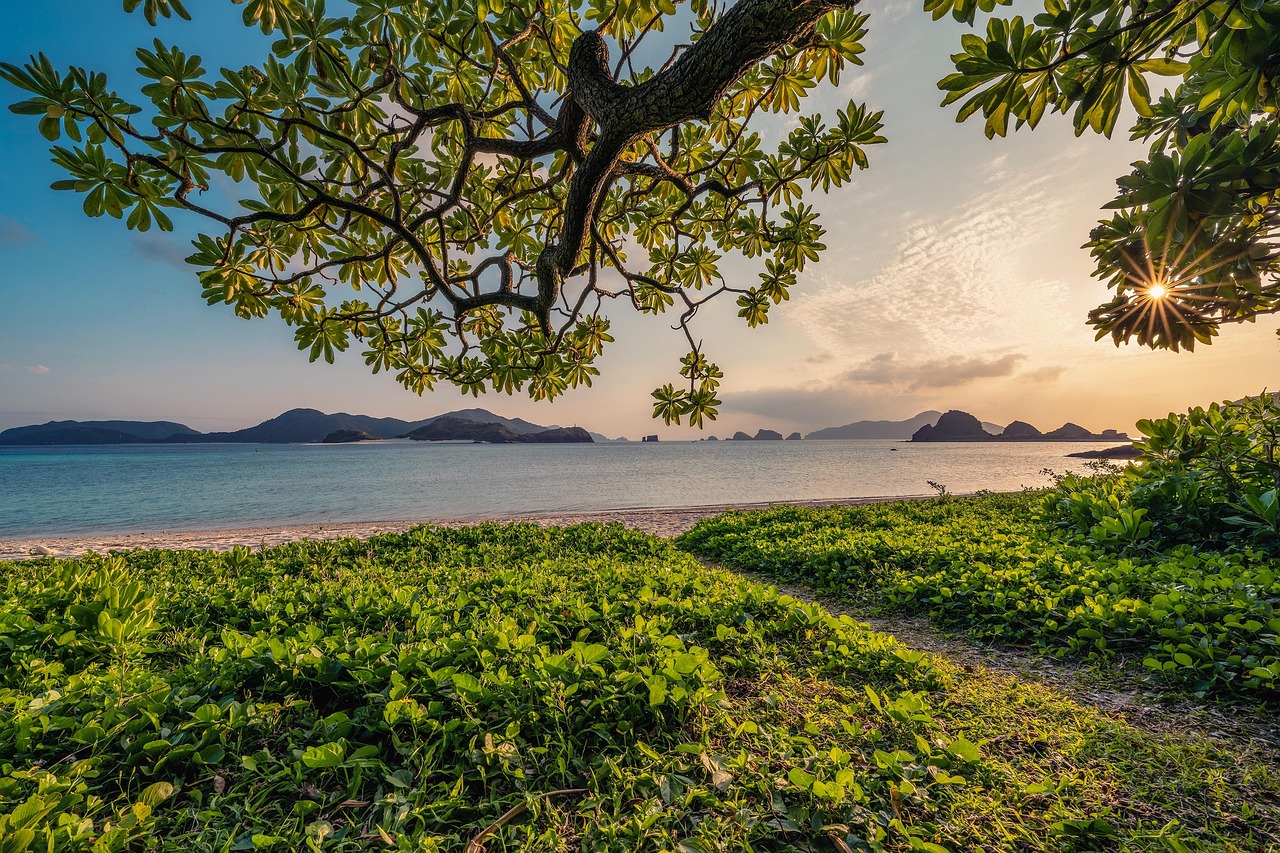
Amano drew inspiration from Japanese gardening traditions, particularly wabi-sabi (the beauty of imperfection and transience) and the principles of ikebana (flower arrangement). He was also a serious landscape photographer, spending years capturing the forests, mountains, and rivers of Japan. These experiences directly informed his underwater compositions.
ADA, founded in 1982 in Niigata, Japan, produces premium aquascaping equipment designed to support the Nature Aquarium approach. While other brands now offer comparable quality, ADA products remain the reference standard. Amano’s legacy lives on through the International Aquatic Plants Layout Contest (IAPLC), the world’s largest aquascaping competition, which he founded and which continues annually.
Nature Aquarium Philosophy
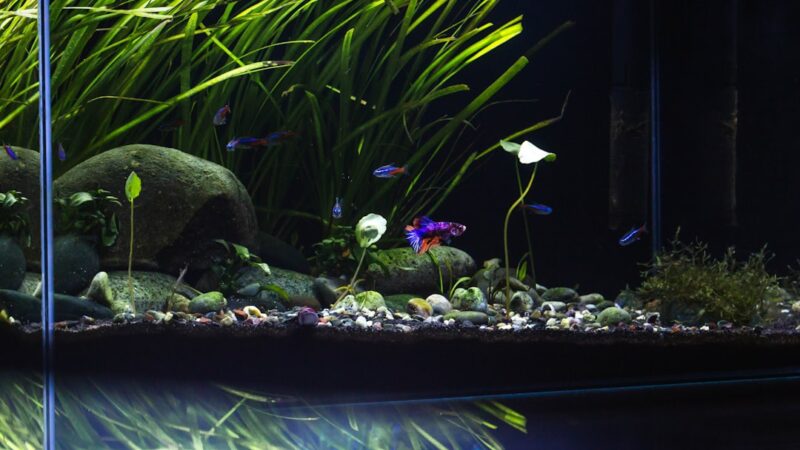
The core idea of the Nature Aquarium is deceptively simple: recreate natural landscapes underwater. Mountains become stone formations. Forests become driftwood draped in moss and ferns. Meadows become carpeting plants stretching to the horizon. Rivers become pathways of white sand winding between stones.
But this is not literal replication. Amano’s approach is interpretive — capturing the essence and emotion of a natural scene rather than copying it precisely. A Nature Aquarium should evoke the feeling of standing before a mountain range, looking into a forest clearing, or gazing across a wildflower meadow. The viewer should forget they are looking at a glass box filled with water.
This philosophy distinguishes Nature Aquariums from Dutch aquascaping, which celebrates plants as plants, and from biotope tanks, which replicate specific natural habitats. The Nature Aquarium is landscape art that happens to use living materials.
Key Design Principles
Asymmetry
Nature is never symmetrical. Amano was deeply influenced by the Japanese aesthetic concept of fukinsei — asymmetrical balance. The focal point of a Nature Aquarium is never in the centre. The strongest visual elements are placed at roughly one-third of the way from either side, creating dynamic tension. Even when a layout appears balanced, it achieves balance through asymmetry — a large stone on one side balanced by a group of smaller stones on the other.
Negative Space (Ma)
The Japanese concept of “ma” — the meaningful use of empty space — is essential to Nature Aquarium design. Not every area of the tank should be filled with plants or hardscape. Open areas of sand, bare substrate, or low carpet create breathing room, direct the eye, and make the planted areas more impactful by contrast.
Beginners often struggle with negative space, feeling compelled to fill every corner. Resist this urge. The open spaces are not empty — they are an active part of the composition.
Focal Point
Every Nature Aquarium has a single primary focal point — a place where the eye naturally rests. This might be a particularly beautiful stone, a striking piece of driftwood, or a gap between hardscape elements that draws the viewer’s gaze. The focal point is typically placed at a golden ratio intersection (roughly one-third from the edge) and is supported by secondary elements that guide the eye toward it.
Depth Illusion
Creating the illusion of depth in a tank that may only be 30-40 cm front to back is one of the great challenges and rewards of Nature Aquarium design. Techniques include:
- Raising the substrate dramatically toward the back (mounding)
- Using smaller plants and stones toward the back to simulate distance
- Creating pathways that narrow as they recede
- Placing darker or duller elements in the background and brighter ones in the foreground
- Using fine-textured plants in the background and coarser textures up front
Common Layout Styles
Triangular Layout
The most beginner-friendly layout. Hardscape and the tallest plants are concentrated on one side of the tank, sloping down to the opposite side. The result is a single triangle shape when viewed from the front. Simple, striking, and effective.
Concave Layout
Hardscape and tall plants are on both sides of the tank, with a lower open area in the centre. This creates a valley or canyon effect. The open centre draws the eye in and creates a strong sense of depth. This is one of the most popular competitive layouts.
Convex Layout (Island)
All hardscape and planting is concentrated in the centre, with open space on both sides. This creates a mountain or island effect. It is visually clean and impactful, but challenging to execute well — the composition must be compelling enough to justify the large open areas. For a detailed guide to the most structured version of this layout, see our Iwagumi aquascaping guide.
U-Shape / Diorama
A variation of the concave layout with very high sides and a deep central valley or path. Often used in longer tanks (90-120 cm) to create dramatic forest-path or canyon compositions. This style has dominated recent IAPLC competitions.
The Hardscape-First Approach
In Nature Aquarium design, hardscape (stone and driftwood) is arranged before any plants are added. This is a fundamental principle: the hardscape is the skeleton of the layout. It defines the composition, the flow of the eye, and the mood of the aquascape. Plants are added later to enhance, soften, and complement the hardscape — not to replace it.
Choosing Stone
Select one type of stone per layout. Mixing stone types looks unnatural. Popular choices include:
- Seiryu stone (ryuoh): Blue-grey limestone with dramatic texture. The most popular Nature Aquarium stone. Note: it slightly raises pH and hardness.
- Manten stone: Dark, matte, and rugged. Neutral effect on water chemistry.
- Ohko stone (dragon stone): Distinctive holes and channels. Lightweight and easy to position. Inert.
For a comprehensive guide to choosing and arranging hardscape, visit our hardscape layout guide.
Choosing Driftwood
Like stone, use a single type of wood in a layout. Mix wood types only if they are similar enough to appear natural together. Spider wood (azalea root) is the most popular for its branching, tree-like structure. Horn wood and Manzanita are also excellent choices.
The Hardscape Audition
Before adding water, spend hours — even days — arranging and rearranging your hardscape. Photograph different arrangements from the front viewing angle. Step away, return later with fresh eyes, and refine. This patience pays dividends. Once substrate and water are added, major rearrangements become difficult.
Plant Selection and Layering
Nature Aquariums use a layered planting approach, with different plant types assigned to specific roles:
Foreground (Carpet)
- Hemianthus callitrichoides ‘Cuba’ (HC): The finest-leaved carpet. Demanding — needs high light and CO2.
- Glossostigma elatinoides: Fast-spreading, bright green carpet. Classic Amano foreground plant.
- Micranthemum ‘Monte Carlo’: Easier than HC, slightly larger leaves. The most popular carpet plant for intermediate hobbyists.
- Eleocharis acicularis (dwarf hairgrass): Creates a natural meadow effect. Spreads by runners.
Mid-Ground (Transition)
- Cryptocoryne species: Various heights and colours. Perfect for natural, textured mid-ground.
- Staurogyne repens: Compact, bushy growth. Excellent for filling around hardscape bases.
- Anubias (small varieties): Attached to stone or wood. Dark green, slow-growing, textural contrast.
- Bucephalandra: Attached to hardscape. Wide variety of leaf shapes, textures, and colours.
Background (Height and Depth)
- Rotala rotundifolia: Fine-leaved, turns pink to red under high light. Creates soft, colourful background masses.
- Ludwigia species: Red to orange. Provides warm colour contrast.
- Micranthemum micranthemoides (Pearl weed): Fine, bright green background. Creates a soft, cloud-like effect when trimmed into rounded mounds.
Epiphytes (Attached to Hardscape)
- Java fern varieties: Attached to wood or stone. Trident and needle-leaf varieties add delicate texture.
- Mosses: Christmas moss, weeping moss, and Fissidens on driftwood. Softens hard edges and adds age.
- Bolbitis heudelotii: Finely divided, dark green fern. Elegant on driftwood.
The key to plant selection in a Nature Aquarium is restraint. Use fewer species than you think you need — typically 5-10 species maximum. Too many species creates visual noise. Amano’s most powerful layouts often used only 3-5 plant species, relying on the hardscape and composition to carry the design.
Substrate and Mounding for Depth
Substrate in a Nature Aquarium is not flat. Amano popularised the technique of mounding substrate dramatically — building it up to 10-20 cm at the rear corners and sloping down to just 3-5 cm at the front. This mounding creates the illusion of rolling terrain and adds enormous visual depth.
Achieving Stable Mounds
- Lava rock or pumice base: Fill the rear and side areas with lightweight lava rock or pumice before adding substrate. This reduces the amount of expensive substrate needed and provides drainage.
- Substrate retaining walls: Use plastic mesh, weed cloth, or stone to prevent substrate from sliding forward during water changes and maintenance.
- ADA Power Sand: A base layer of volcanic gravel that improves drainage and provides long-term nutrients beneath the main substrate.
ADA Amazonia is the most iconic Nature Aquarium substrate — a nutrient-rich aqua soil that supports plant growth and maintains slightly acidic, soft water conditions ideal for most aquatic plants. Tropica Soil and UNS Controsoil are quality alternatives.
The Role of Time
Perhaps Amano’s most important teaching was patience. A Nature Aquarium is not complete the day it is planted. It is a living composition that matures over months. Carpets fill in, mosses spread across hardscape, stem plants develop density, and the entire scene softens and mellows.
The most celebrated Nature Aquariums are typically photographed at 3-6 months of age. Some take a year to reach their peak. During this time, the aquascaper’s role shifts from designer to gardener — nurturing the layout, guiding growth through trimming, and allowing the natural development of the composition.
This concept of maturation is central to the Nature Aquarium philosophy and its connection to wabi-sabi. The beauty is in the process, not just the final image.
Maintenance Philosophy
Nature Aquarium maintenance is about balance and consistency rather than the heavy-handed trimming of Dutch aquascaping:
- Water changes: 30-50% weekly, especially in the first month when substrate leaches ammonia.
- Trimming: Trim stem plants to maintain the intended shape, but allow natural, slightly irregular growth. The goal is a “groomed wild” aesthetic, not the geometric precision of Dutch style.
- Algae management: Some algae is expected and even welcome — a thin patina of green algae on stones adds age and naturalness. Only intervene for problematic outbreaks.
- Fertilisation: Daily liquid fertiliser for the water column. Root tabs for heavy-feeding plants in the substrate. Balance nutrients to prevent deficiency without fuelling algae.
- CO2: Consistent injection during the photoperiod (6-8 hours). Stability matters more than hitting a precise ppm.
ADA Products
While Nature Aquariums can be created with any quality equipment, Amano designed ADA products specifically to support this style:
- ADA Amazonia (substrate): The industry-standard aqua soil. Excellent plant growth, slightly acidic pH, lowers hardness. Available in regular and light versions.
- ADA Super Jet Filter: High-end stainless steel canister filter. Beautifully made but expensive. Equivalent performance is available from Oase and Eheim at lower cost.
- ADA Solar RGB: LED lighting system designed for Nature Aquariums. Excellent colour rendering and plant growth spectrum. Competitors like AI and Chihiros now offer similar performance.
- ADA glassware: Lily pipe inflow and outflow, drop checkers, diffusers — all in crystal-clear glass. Aesthetic rather than functional advantage over alternatives, but undeniably beautiful.
- ADA fertiliser range: Green Brighty series for comprehensive liquid fertilisation. Well-formulated but premium priced.
ADA products are available in Singapore through authorised dealers. They are premium-priced, but many aquascapers find the quality and aesthetics worth the investment — particularly the glassware and substrate.
Creating Depth in Small Tanks
You do not need a large tank to create a compelling Nature Aquarium. Even 30-60 litre nano tanks can produce stunning results with careful application of depth techniques:
- Aggressive substrate mounding: Build the rear substrate to 12-15 cm even in a small tank. The height difference between front (3 cm) and back (15 cm) creates powerful depth.
- Miniature hardscape: Use smaller stones and twigs. Avoid pieces that fill the tank — negative space is even more critical in small tanks.
- Fine-leaved plants: Choose plants with small leaves (HC Cuba, Monte Carlo, Anubias ‘Petite’, Bucephalandra) to maintain the illusion of scale. Large-leaved plants destroy the sense of miniature landscape.
- Converging pathways: Even a narrow sand pathway that narrows from front to back creates a strong depth illusion in a 30 cm deep tank.
- Single focal point: In small tanks, one well-placed stone or wood arrangement is more effective than multiple competing elements.
Frequently Asked Questions
What is the difference between a Nature Aquarium and an Iwagumi?
An Iwagumi is a specific type of Nature Aquarium layout that uses only stone (no driftwood) with minimalist planting — typically just one or two plant species, often a carpet with a single accent plant. It is the most disciplined and austere form of Nature Aquarium design. All Iwagumi layouts are Nature Aquariums, but not all Nature Aquariums are Iwagumi.
Do I need ADA products to create a Nature Aquarium?
No. ADA products are excellent but not essential. Any quality substrate, lighting, filtration, and CO2 system will produce excellent results. The Nature Aquarium is defined by design principles and artistic vision, not by brand loyalty. Focus your budget on hardscape quality and plant variety rather than premium equipment brands.
How long before a Nature Aquarium looks mature?
Carpet plants fill in within 4-8 weeks with CO2. Mosses on hardscape take 6-12 weeks to develop. The overall layout typically reaches its peak at 3-6 months. Some elements — particularly the patina on stones and the natural settling of the composition — continue improving for over a year.
Can I create a Nature Aquarium in Singapore’s warm climate?
Absolutely. Most Nature Aquarium plants grow well at 24-28°C. A clip-on fan or small chiller helps keep temperatures in range during Singapore’s hotter months. Many world-class Nature Aquariums have been created by Southeast Asian hobbyists. Singapore’s custom aquarium scene includes excellent examples of the style.
Inspired to create your own Nature Aquarium? Gensou has been designing aquascapes in Singapore for over 20 years, drawing on the principles Amano championed. Whether you want a complete custom build or guidance on hardscape selection and layout, visit us at 5 Everton Park or contact us to bring your vision to life. We also offer ongoing aquarium maintenance to keep your Nature Aquarium at its best as it matures.
Related Reading