
Pigeon Blood Discus Care Guide: Red Body Strain
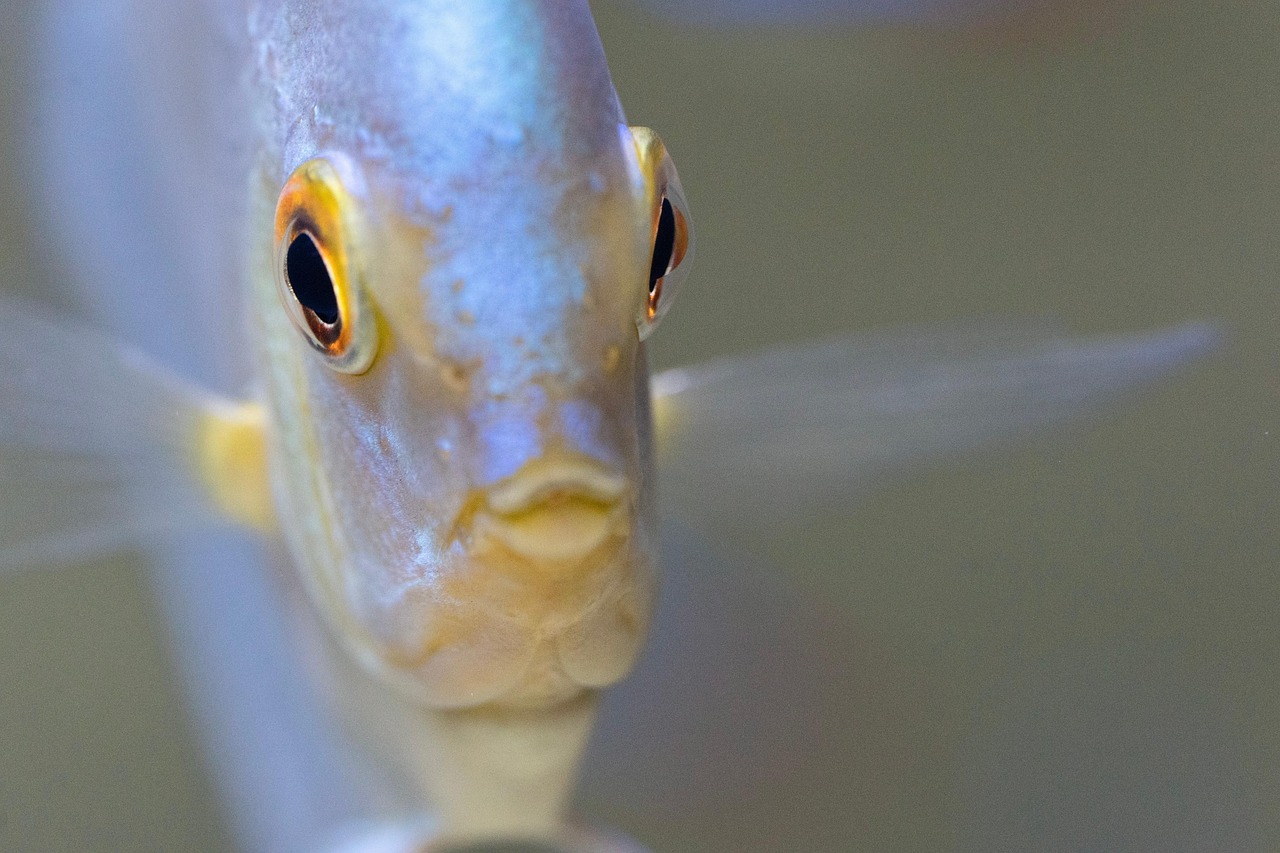
Introduced in the early 1990s by Thai breeder Kitti Phanaitthi, the pigeon blood stunned the discus world by producing a clean red-orange body with almost no vertical stress bars. This pigeon blood discus care guide from Gensou Aquascaping in Singapore covers why this selectively bred line from Symphysodon aequifasciatus behaves differently from older turquoise stock, and how to manage the peppering that defines the strain. Pigeon bloods suit the intermediate keeper who already owns a cycled planted or bare tank.
Quick Facts
- Species: Symphysodon aequifasciatus, pigeon blood mutation
- Adult size: 15-18 cm
- Temperature: 28-30°C
- pH: 6.5-7.2, tap-hardness tolerant
- Origin: Thailand, early 1990s (Kitti Phanaitthi line)
- Signature trait: reduced vertical bars, black speckling (pepper)
- Group size: minimum six juveniles
What Makes a True Pigeon Blood
Pigeon blood is a recessive mutation that suppresses the dark vertical body bars typical of wild discus. The upside is an unbroken red-orange flank; the downside is melanin scattering across the skin as fine black dots, known as pepper. Modern derivatives such as red melon, marlboro red, and red passion all trace back to the original pigeon blood.
Checkered pigeons, snakeskin pigeons, and leopard pigeons combine this trait with pattern genes. A true pigeon shows seven body bars faintly or not at all, red eyes, and a coral to deep red body depending on diet.
Managing Pepper
Pepper intensifies under stress, poor water, or dark substrate. A light-coloured sand or bare bottom reduces pepper expression dramatically. Keep nitrate under 20 mg/l and maintain stable parameters. Some keepers swear by daylight-balanced LED at moderate intensity; harsh blue light appears to darken pepper. You cannot remove the gene, but good husbandry keeps its visible effect to a minimum.
Tank Setup
Plan for a 300 litre tank minimum for six adults. Height should reach 55 cm. Filtration wants biological capacity above all; a canister at six to eight times turnover plus a seeded sponge filter provides redundancy for the protein-heavy bioload. Substrate choice is aesthetic versus practical: white sand suppresses pepper but fouls faster than a bare bottom, which is the professional standard for Thai and German breeders.
Water Parameters
Pigeon bloods are almost always tank-bred for several generations, so they tolerate Singapore PUB tap water well once dechlorinated. Aim for 28-30°C, pH 6.5-7.2, GH 2-6, KH 1-3. Keep conductivity between 150 and 500 µS. Weekly 40-50 per cent changes using prepared aged water matched to temperature keep the fish bar-free and feeding hard.
Diet and Colour Feeding
Feed variety. Frozen bloodworm, mysis, brine shrimp and a high-quality discus granulate form the backbone of a sensible diet. Beefheart mixes with spirulina, garlic and astaxanthin deepen red tones, but use them two or three times a week at most because they foul water. Krill is useful for body red, while paprika extracts tend to give an artificial neon tone that fades in generations.
Juveniles eat four times daily; adults accept two feeds and appreciate a fast day every seven to ten days.
Behaviour and Tank Mates
Pigeon bloods maintain the gentle discus temperament. They shoal loosely, with dominant fish claiming corners during feeding. Compatible companions include cardinal tetra, rummy-nose tetra, sterbai or duplicareus corydoras, and Amano shrimp. Avoid fast mid-water fish that out-compete at feeding. A shoal of rummy-nose doubles as a water quality indicator; their noses fade when nitrate or chloramine rises.
Common Issues
Gill flukes and hexamita are the two problems that cost pigeon blood keepers the most fish. Scratching against filter intakes points to flukes; praziquantel at 2.5 mg per litre for seven days clears most infections. Stringy white faeces and a darkened body suggest hexamita; metronidazole at 400 mg per 40 litres every 48 hours for three doses is the standard treatment.
Pairing and Breeding Potential
From a group of six to eight juveniles, a bonded pair usually emerges around 14 months. Pigeon blood pairs spawn readily on vertical slate, cones or even filter intakes. However, the pepper and lighter body colour can reduce the visibility of parental slime during wrigglers feeding; fry occasionally struggle to imprint. Artificial rearing on separated eggs improves survival in persistent cases.
Singapore Practical Notes
Pigeon blood juveniles retail around $30-50 in Serangoon North Avenue 1 shops, with grown-out 13 cm specimens reaching $120-200. Local importers favour Malaysian and Thai farms for pigeon derivatives. Ask for fish off the same farm and batch if you want a clean group; mixing sources invites pathogen exposure.
Related Reading



