
Red Melon Discus Care Guide: Solid Red Variety
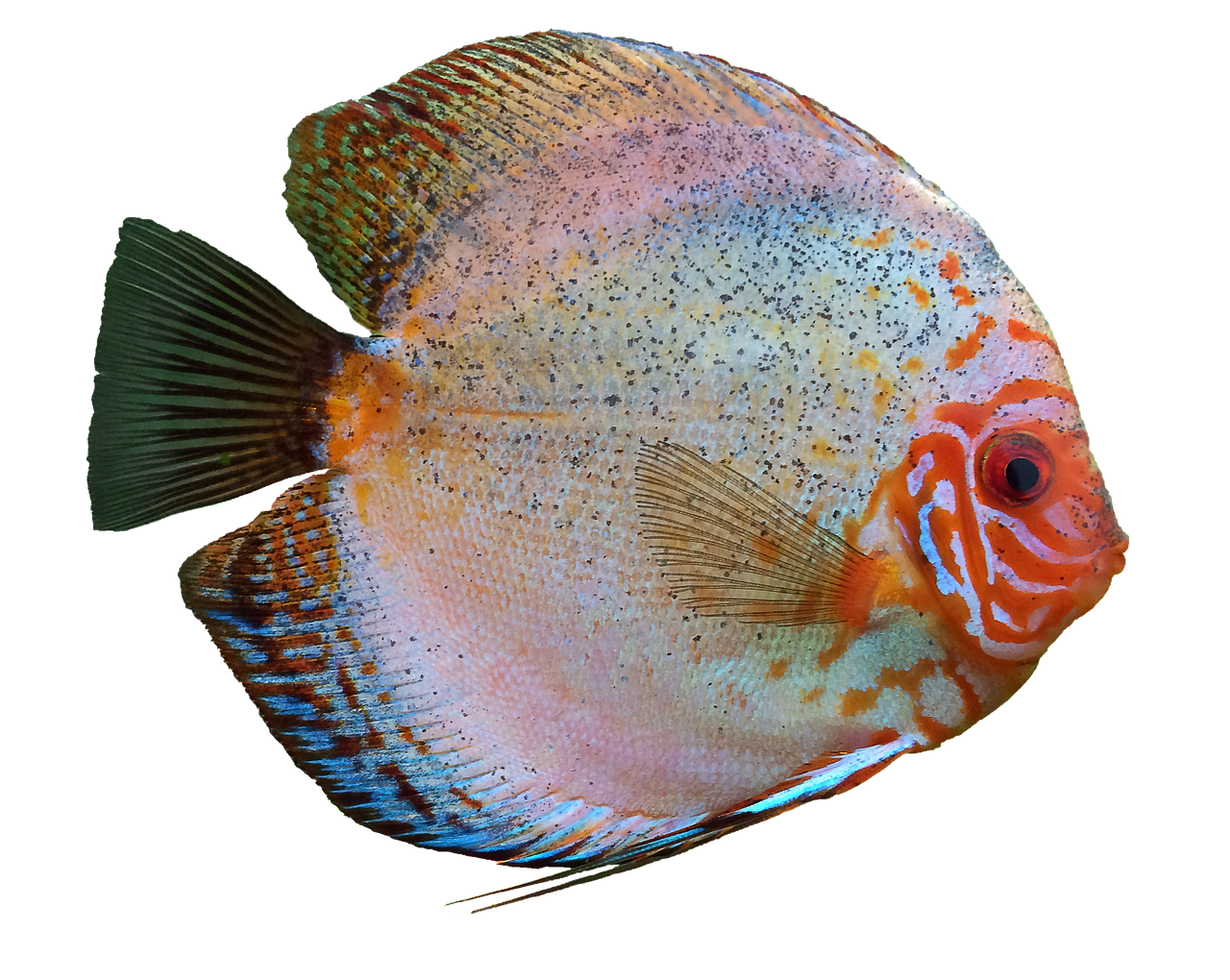
The red melon earned its place in Asian discus shows by presenting a near-solid coral-red body without the black speckling that dogs other pigeon-descended strains. This red melon discus care guide from Gensou Aquascaping in Singapore draws on hands-on keeping of the variety and covers how to retain that fruit-flesh red under tropical tap-water conditions. It is a selectively bred line of Symphysodon aequifasciatus refined in Thailand and Malaysia from pigeon blood stock.
Quick Facts
- Species: Symphysodon aequifasciatus, red melon selection
- Adult size: 15-17 cm
- Temperature: 28-30°C
- pH: 6.5-7.2
- Origin: South-East Asian farms, 2000s onwards
- Colour goal: uniform coral to deep red body
- Minimum tank: 300 litres for a group of six
Strain Background
Red melon descends from pigeon blood lines crossed with red turquoise and red-passion variants to suppress pattern while pushing pigment density. Malaysian farms such as Forrest and Thai breeders in the Nakhon Pathom area hold the cleanest lines today. Good melons show minimal pepper, bright red eyes, and a yellow-to-orange juvenile phase that deepens through the first 18 months.
Selecting a Quality Melon
Inspect juveniles at 7-9 cm. Look for round body shape, clean red across the gill plate and flank, clear unclouded eyes, and no grey wash on the fins. Pepper shows as tiny black dots along the sides; minor amounts are acceptable, but heavy pepper will only worsen as the fish ages. Watch feeding response before buying; a melon that hesitates at frozen food usually has underlying gut issues.
Tank and Filtration
Six adult melons need 300-350 litres, tall rather than long, to let the disc body rotate without barging neighbours. Run a canister at six to eight times turnover and support it with a mature sponge filter. Light-coloured sand or bare-bottom works best; dark substrate suppresses red pigment expression over time. Keep decor minimal, because cluttered tanks increase stress bars which in turn darken the red.
Water Parameters
Melons are invariably tank-raised on medium-hardness water, so Singapore tap water after dechlorination sits comfortably within range. Target 28-30°C, pH 6.5-7.2, GH 3-6, conductivity 200-500 µS. Stability matters more than chasing numbers; swings of 1.0 pH units over a day stress discus hard. A 50 per cent weekly change with temperature-matched aged water is the single most valuable habit.
Feeding for Red Retention
Carotenoid intake drives red intensity. Offer astaxanthin-rich foods such as frozen mysis, adult brine shrimp, and krill-based pellets. A beefheart mix with paprika and spirulina can be used two or three times a week, but rinse thoroughly and feed only what is consumed in three minutes. Avoid hormone-coloured juvenile feeds; the red fades within months of stopping and the fish often stunt. Bloodworm stays in rotation as a palatability anchor rather than a red booster.
Lighting and Background
Melons photograph best under 5000-6500K lighting at moderate intensity. Too much blue-heavy LED shifts perception toward orange; too-high intensity bleaches red. A dark brown or black background contrasts the body without darkening it, while plain white PVC works for show pairs. Keep the photoperiod to eight hours to avoid algae in a high-feed system.
Compatible Tank Mates
Cardinal tetra, rummy-nose tetra, and sterbai corydoras pair well. Avoid angelfish, which share parasites and occupy the same vertical space. Keep away from silver dollars, tiger barbs, and any nippy mid-water fish. A modest group of Amano shrimp helps clean leftover food without disturbing the discus.
Health Watch Points
Gill flukes are the most common melon affliction in Singapore, likely because shipments move through humid transhipment without quarantine. Scratching, clamped gills and laboured breathing justify praziquantel at 2.5 mg/l for a week. For hexamita flares, dose metronidazole at 400 mg per 40 litres every 48 hours across three treatments with a 30 per cent water change between doses.
Growth and Show Conditioning
Grown-out melons hit show size around 18 months if fed well on 30 per cent daily water changes. Contest keepers often hold a single fish in a 100 litre conditioning tank with heavy flow for three months before showing, which thickens the body and deepens red. For the home keeper, a steady group system produces healthier long-lived fish than pushing contest size.
Related Reading



