
Plakat Betta Breeding Guide: Short Fin Tournament Style
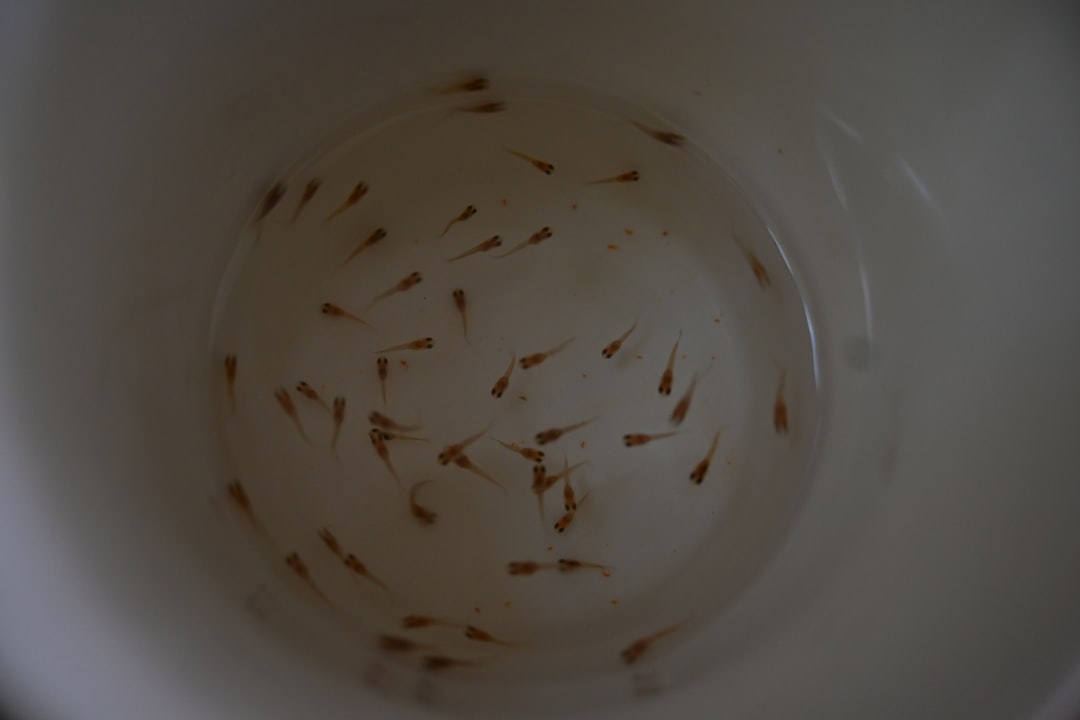
The plakat is the original form of the domesticated Siamese fighting fish, closer in shape to wild Betta splendens than any of the long-finned show types that came after. Short fins mean faster, stronger fish, and the breeding behaviour is textbook anabantoid. This plakat betta breeding guide from Gensou Aquascaping at 5 Everton Park is aimed at Singapore keepers stepping up from keeping single bettas to running a proper spawning tank with fry grow-out. Expect 200-400 fry from a successful pair, and plan the infrastructure before the first embrace.
Quick Facts
- Breeding tank: 30-40 litres, 10-15 cm water depth, tight-fitting lid
- Temperature: 27-28 degC; do not exceed 29 degC during conditioning
- Conditioning diet: live blackworm, mosquito larvae, frozen bloodworm twice daily
- Pair bonding signs: vertical bars on female, male bubble nest under cover
- Spawning: 200-600 eggs in 2-4 hour embrace sessions
- Egg incubation: 24-36 hours at 27 degC; free-swimming at day 3-4
- First foods: infusoria day 4, vinegar eels day 5, baby brine shrimp day 6-7
Plakat Show Categories
The IBC and Singapore tournament circuits recognise Traditional Plakat, Halfmoon Plakat, Giant Plakat and various colour classes. Traditional shows short caudals with 180-degree spread, no flare on the dorsal, and a distinctive spear in the anal fin. Judging fins that are too long will drop a traditional plakat into the wrong class. Decide your target form before selecting breeders, because body shape and fin geometry both compound across generations.
Selecting a Pair
Choose a male 5-7 months old with clean fin edges, wide ventrals and strong red wash across the gill plates when flaring. The female should be slightly smaller, well fed but not obese, with a visible white ovipositor tube when held near a male in a divided jar. Vertical breeding bars on her flanks are the single best go-ahead signal. Pairs bred too young produce small broods and infertile eggs; pairs over 12 months old often tear each other badly.
Conditioning
Run the pair in separate containers for 10-14 days within sight of each other. Heavy feeding on live and frozen foods three times a day builds egg stock in the female. Daily 50 per cent water changes with slightly cooler water than the tank mimic the rainy-season trigger. The male should build spool-like practice bubble nests; if he does not blow bubbles at all, swap him. This is the single most common beginner failure.
The Breeding Tank
Set up a bare-bottom tank with a sponge filter run softly to keep bubble nests intact. Add a floating plant cluster, half an Indian almond leaf and a foam cup cut lengthwise for a nest anchor. Water depth 10-15 cm only, 27-28 degC, aged tap water or rainwater. Introduce the male first so he claims territory and builds the nest, then add the female in a jar inside the tank for 24 hours before release.
The Spawning Embrace
Release happens the morning after the female is introduced. Expect chasing, fin nipping and apparent violence for two to six hours before the first embrace. The male wraps his body around hers under the nest, both fish freeze for 10-20 seconds, and eggs drop. The male gathers falling eggs in his mouth and spits them into the nest. Multiple embraces follow at two to five minute intervals over two to four hours, totalling 200-600 eggs.
Removing the Female
Pull the female immediately once embraces stop and she begins hiding or being chased hard. The male takes full parental duty, tending eggs, catching any that fall, and guarding the nest. Keep the tank dim, cover three sides with paper, and do not disturb for 36 hours. Tiny tails will be visible hanging from the nest on day two; fully horizontal free-swimming occurs around day three to four, at which point remove the male.
Fry Grow-Out and Labyrinth Development
The labyrinth organ finishes developing around day 21-28. Before that, the fry rely on dissolved oxygen from the water surface, so the lid must be airtight to keep the air above the water warm and humid; cold air hitting the developing labyrinth causes lifelong breathing weakness. Feed infusoria on day four, vinegar eels day five, then baby brine shrimp from day six. Fry tolerate micro-pellets by week five.
Jarring and Aggression
Males begin showing colour and flaring at each other by week eight. Separate into individual 1-2 litre jars by week 10 or accept losses from aggression. A typical spawn yields 30-50 per cent show-quality fish; the rest go to local shops, Carousell sales or culling. Honest culling of deformities such as bent spines, short-tail dominants in long-tail lines, and weak ventrals protects your reputation as a breeder.
Singapore Context
Plakat shows run regularly under the Singapore Betta Enthusiast circuit, often hosted at community centres in Ang Mo Kio and Toa Payoh. Local water from PUB is soft and suits bettas; add 1 Indian almond leaf per 10 litres for tannin and a mild antifungal effect. A 36-jar rack fits on a standard 1.2 m shelf, which is about as much as an HDB bedroom will comfortably accommodate.
Related Reading



