
New World Cichlid Pair Bonding Guide: Selecting Breeding Pairs
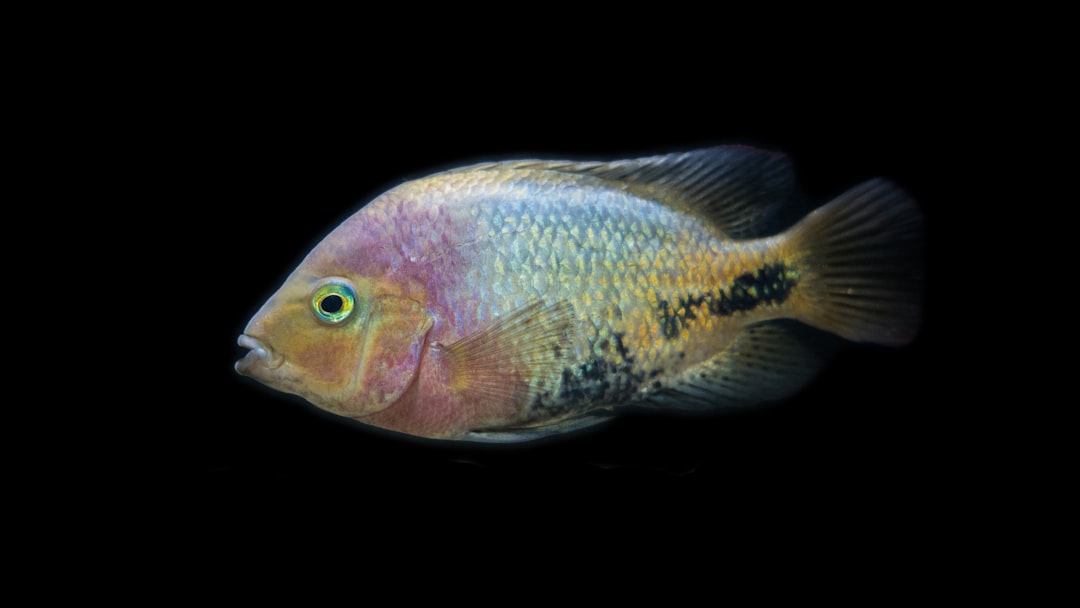
Cichlids from the Americas pick their own partners and rarely accept an arranged match. Forcing two random adults into a breeding tank is the fastest way to lose an expensive fish to stress or outright killing. This new world cichlid pair bonding guide from Gensou Aquascaping at 5 Everton Park covers the grow-out group method, the physical and behavioural signs of a genuine bond, and how to manage aggression once spawning begins. The principles apply equally to convicts, angelfish, rams, Central American Vieja species and the larger South American Heros and Uaru.
Quick Facts
- Preferred method: grow six to eight juveniles together, let a pair form naturally
- Sexual maturity: 6-12 months depending on species and feeding
- Bond signs: side-by-side swimming, shared territory defence, synchronised digging
- Female readiness: visible ovipositor tube 24-48 hours before spawning
- Substrate spawners (convicts, Central Americans): flat rocks, pots, caves
- Leaf spawners (angelfish, discus): broad Amazon sword leaves, vertical slates
- Post-spawn aggression: female drives male away from fry in most species
Why Forced Pairs Fail
New world cichlids have strong individual preferences, probably mediated by body-pattern recognition during the pre-spawn dance. A male that refuses a female will display lateral threat, bite her gill covers and, in cramped tanks, kill her within days. Convicts and Nicaragua cichlids are particularly brutal with mismatches. Oscars and severums are gentler but still reject partners by refusing to spawn for months on end. Start with a group, not a pair.
The Grow-Out Group Method
Buy six to eight juveniles from the same batch, ideally 3-5 cm, from one retailer to reduce disease introduction. Raise them in a tank sized for the adult form: 200 litres for angelfish, 150 litres for convicts or rams, 400 litres plus for Central Americans. Feed well, maintain stable water, and wait. Somewhere between six and twelve months, two fish will start swimming together, cleaning a surface together and threatening others as a unit. That is your pair.
Reading Bonding Signs
Genuine pairs do several things together. They hover side-by-side, the male slightly forward. They defend a shared patch of substrate against tankmates, often a cave entry or a flat rock. They engage in mutual jaw-locking as a reinforcement of the bond, not as true aggression. The female starts cleaning a spawning site by mouthing algae and debris, and the male joins in within a day. False pairings lack that coordination; one fish pursues while the other flees.
The Ovipositor Tube
Forty-eight hours before spawning, the female extrudes an ovipositor, a short white tube behind the anal fin used to lay eggs. In convicts and angelfish it is visible from 50 cm away with a torch. The male’s spermiduct is thinner and more pointed. If you see both tubes in a suspected pair, spawning is imminent. No tubes after months together usually means two of the same sex, common in angelfish where juvenile sexing is near impossible.
Sex Identification Difficulties
Several favourite species are monomorphic, meaning males and females look identical as juveniles. Angelfish, discus, severums and most Heros fall in this group. This is another argument for the grow-out method: you sidestep guesswork entirely. Convicts, by contrast, show clear dimorphism, with females developing an orange belly patch, while rams have the famous blue speckle on the dorsal male versus the pink-belly female with blue-edged dorsal spot.
Removing Other Fish
Once a pair forms, remove the remaining juveniles from the group. They will otherwise be killed or stressed into hiding. Move them into a second tank or sell as grow-outs to other keepers. In a 400 litre tank with heavy hardscape, some species like Thorichthys meeki allow bonded neighbours, but most convicts, Jack Dempseys and Nicaragua cichlids insist on solitary breeding territory.
Managing Post-Spawn Aggression
After spawning, most new world cichlid females assume primary fry-guarding duty and start driving the male away. In a 100 litre tank he has nowhere to go, and she will kill him within a week. Either remove the male to a grow-out tank, install a glass divider, or provide enough length (ideally 150 cm plus) for the male to hold his own territory. The dividers used by Singapore flowerhorn breeders work well for this.
Species-Specific Notes
Convicts, Amatitlania nigrofasciata, spawn every three to four weeks in caves; pairs are legendary for bonding stability. Angelfish, Pterophyllum scalare, prefer vertical surfaces and eat their first two or three spawns before they sort out parenting. German blue rams, Mikrogeophagus ramirezi, need soft acidic water and warmth at 28-29 degC, and pairs are easier to establish from tank-raised fish than wild imports. Oscars, Astronotus ocellatus, pair slowly and then spawn prolifically.
Singapore Sourcing
Farms in the Pasir Ris and Lim Chu Kang areas breed convicts, angelfish, Jack Dempseys, flowerhorns and various Heros for local shops. Imported stock from Thailand and Germany appears in Serangoon North Avenue 1 shops on rotation. Ask for juveniles from a single spawn when possible; fry from the same spawn pair up more reliably than mixed imports. Expect $8-15 for juvenile convicts, $15-30 for angelfish juveniles, $25-50 for tank-bred rams.
Related Reading



