
Platy Fish Care Guide: Colourful, Hardy and Beginner-Friendly
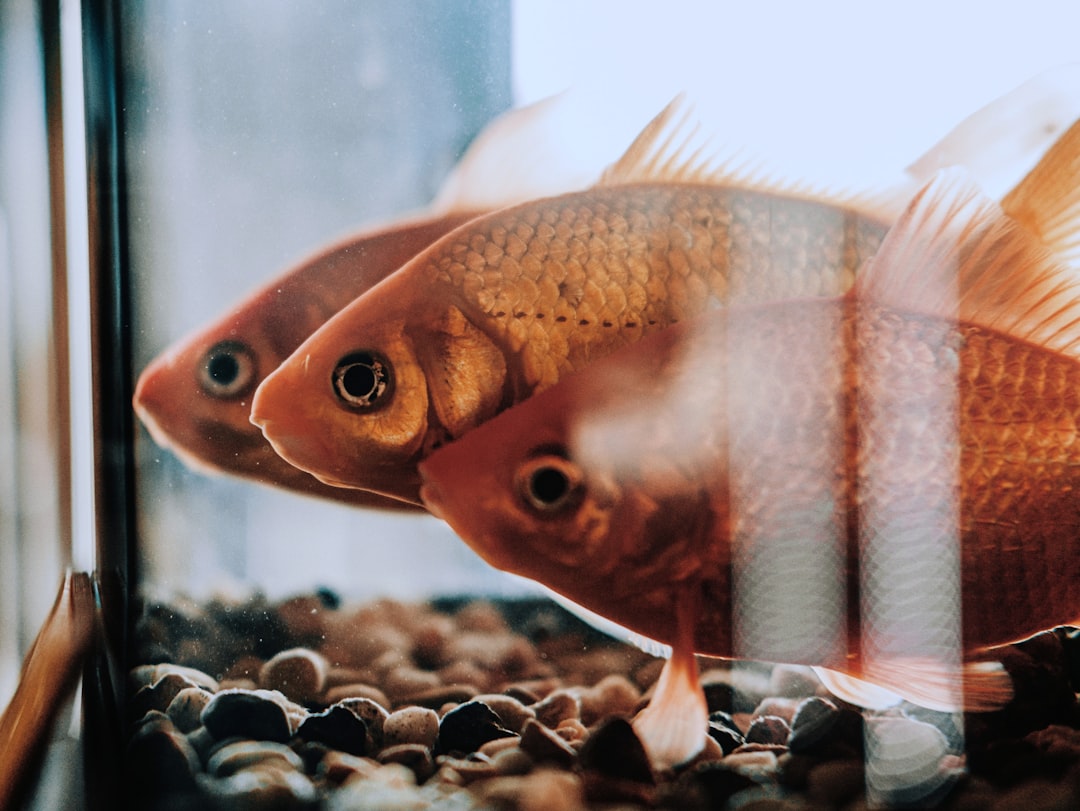
If you are looking for a colourful, low-maintenance fish that thrives in Singapore conditions with virtually no fuss, the platy (Xiphophorus maculatus) deserves a place at the top of your list. These cheerful livebearers come in a dazzling array of colours, tolerate a wide range of water parameters and get along with almost everything. It is no wonder they have been a staple of the freshwater hobby for generations. This guide sits inside our broader Tropical Fish Species Master Index reference.
At Gensou, we have been recommending platys to Singapore beginners for over 20 years — and experienced aquarists continue to appreciate them for their reliable beauty and easy-going temperament. Here is everything you need to know.
Colour Varieties
One of the platy’s greatest appeals is the sheer variety of colours and patterns available. Decades of selective breeding have produced forms to suit every aesthetic preference.
| Variety | Description |
|---|---|
| Red/Coral | Solid bright red body — the classic platy look |
| Sunburst/Marigold | Warm orange-yellow gradient, sometimes with red accents |
| Mickey Mouse | Light body with a distinctive three-spot pattern at the tail base resembling a certain famous mouse |
| Blue | Subtle steel-blue body colouration, sometimes with iridescent sheen |
| Wagtail | Coloured body with contrasting black fins and tail — available in red wagtail and gold wagtail forms |
| Tuxedo | Dark black or blue rear half with a contrasting coloured front half |
| Salt and Pepper | Speckled dark markings over a lighter base colour |
| Pintail/Hi-Fin | Extended dorsal or tail fins, adding elegance to any colour form |
The varietal platy (Xiphophorus variatus) is a closely related species that is sometimes sold alongside the southern platy. Variatals tend to be slightly slimmer and offer additional colour combinations, including stunning sunset and rainbow forms. Both species have identical care requirements.
Tank Size and Setup
Platys are compact fish, reaching 5-7 cm when fully grown, but they are active swimmers that benefit from more space than their size might suggest.
- Minimum tank size: 40 litres for a small group of four to six
- Recommended: 60-80 litres for a comfortable community setup
- Ideal: 100+ litres if you plan to keep them with other species
Aquascaping Tips
Platys appreciate a mix of open swimming space and planted areas. They are not plant-eaters in the destructive sense, though they will graze on soft algae growing on plant leaves — which is actually beneficial. Consider:
- Background plants like Vallisneria or Hygrophila for cover
- Midground plants such as Java fern or Anubias attached to driftwood or rocks
- Floating plants like water lettuce or frogbit to diffuse lighting and provide security
- Open swimming areas in the front and centre of the tank
Filtration should be reliable but not overly powerful. A hang-on-back filter or small canister filter is ideal. Platys produce a moderate bioload for their size, so good filtration and regular water changes are important, especially in smaller tanks.
Water Parameters for Singapore
Platys are remarkably adaptable fish, and Singapore’s tap water suits them well straight out of the pipe — after dechlorination, of course.
| Parameter | Ideal Range | Singapore Tap Water |
|---|---|---|
| Temperature | 20-28°C | 28-32°C (within tolerance; use a fan if above 30°C) |
| pH | 7.0-8.2 | ~7.0-8.0 (excellent match) |
| GH | 10-25 dGH | Generally suitable |
| KH | 3-8 dKH | Adequate for buffering |
| Ammonia/Nitrite | 0 ppm | Ensure tank is cycled |
Platys actually prefer slightly hard, alkaline water — which is precisely what PUB delivers. They are one of the few popular aquarium fish where you genuinely do not need to adjust Singapore tap water at all (beyond removing chloramine with a quality water conditioner). This is a significant advantage for beginners who find water chemistry intimidating.
Weekly water changes of 20-30% keep conditions stable. In the hotter months, when temperatures in non-air-conditioned HDB flats can creep above 30°C, a small aquarium fan blowing across the water surface helps maintain comfortable temperatures and improves oxygenation.
Feeding and Diet
Platys are true omnivores that lean towards the herbivorous side. In the wild, they graze on algae and small invertebrates. A balanced diet should reflect this.
- Staple: Quality tropical flake or micro pellet food with spirulina content, fed once or twice daily
- Vegetable supplements: Blanched zucchini, cucumber, peas (shelled) or spinach
- Protein treats: Frozen or live daphnia, brine shrimp and bloodworms, two to three times per week
- Algae: Platys naturally graze on tank algae, which benefits both the fish and your aquascape
Feed only what they can consume in one to two minutes. Platys are enthusiastic eaters and will happily gorge themselves if given the chance, leading to obesity and water quality issues. In Singapore’s warm water, uneaten food decomposes quickly, so restraint is essential.
Male vs Female and Breeding
Sexing platys is straightforward. Males are slightly smaller and slimmer with a pointed gonopodium (modified anal fin). Females are larger, rounder-bodied, and have a normal fan-shaped anal fin. Males are often more intensely coloured, though this varies by strain.
Breeding
Like guppies and swordtails, platys are livebearers. Females give birth to fully formed fry every four to six weeks, with typical broods of 20-40 babies. Breeding requires virtually no effort from the aquarist — if you have males and females together, breeding will happen.
The bigger challenge is managing the population. Strategies include:
- Keeping a single sex — an all-male or all-female group avoids breeding entirely
- Community tank natural control — most community fish eat platy fry
- Providing or removing cover — fewer hiding spots means fewer fry survive to adulthood
If you want to raise fry intentionally, dense floating plants like water sprite or guppy grass provide excellent cover. Feed fry with crushed flake food or baby brine shrimp three to four times daily. Fry grow quickly and begin showing colour within a few weeks.
A useful fact: female platys can store sperm for several months. Even if you buy a lone female, she may produce fry for months after her last contact with a male.
Tank Mates
Platys are among the most peaceful community fish available. They coexist happily with a wide range of species.
Excellent Tank Mates
- Corydoras catfish — the perfect bottom-dwelling companion
- Guppies — similar requirements and temperament; see our guppy care guide
- Neon and cardinal tetras — beautiful mid-water schoolers
- Harlequin rasboras — peaceful and complementary
- Bristlenose plecos — excellent algae control
- Cherry barbs — colourful and non-aggressive
- Amano and cherry shrimp — help with clean-up duties
Avoid
- Tiger barbs and other fin-nippers
- Large cichlids — platys will become a meal
- Aggressive or highly territorial fish
Common Health Issues
Platys are robust fish, but no species is entirely immune to disease. Most health problems stem from poor water quality or stress.
Fin Rot
Progressive deterioration of fins, usually caused by bacterial infection linked to poor water conditions. Improve water quality with more frequent changes and treat severe cases with antibacterial medication.
White Spot Disease (Ich)
Small white cysts appear across the body and fins. Raise the temperature gradually to 30°C and treat with a commercial ich remedy. In Singapore’s warm water, the parasite’s life cycle is already accelerated, which can make outbreaks more aggressive but also faster to treat.
Shimmy
A condition where the fish rocks or shimmies in place without swimming forward. It is often related to temperature shock, low mineral content, or stress. Ensure stable temperatures and adequate water hardness (platys need minerals in their water).
Internal Parasites
Lethargy, weight loss despite eating, and white stringy faeces can indicate internal parasites. Treat with an appropriate anti-parasitic medication. Quarantine new fish for two weeks to avoid introducing parasites to an established tank.
Why Platys Are Ideal for Singapore
Several factors make platys particularly well-suited to aquarium keeping in Singapore:
- Temperature tolerance: While they prefer 22-28°C, platys handle Singapore’s higher ambient temperatures (28-32°C) reasonably well with basic cooling measures
- Water chemistry match: PUB tap water’s slightly alkaline pH and moderate hardness is exactly what platys prefer — no adjustments needed
- Compact size: At 5-7 cm, they suit the smaller tanks common in HDB and condo living
- Low maintenance: Hardy and forgiving, ideal for aquarists with busy schedules
- Widely available: Quality platys are readily found in Singapore’s aquarium shops, including at Gensou
Frequently Asked Questions
How many platys can I keep in a 40-litre tank?
A 40-litre tank comfortably supports four to six adult platys. If keeping both sexes, maintain a ratio of one male to two or three females to prevent the male from harassing a single female. Factor in potential fry if breeding is likely.
Do platys eat algae?
Yes, platys are natural algae grazers. They nibble on soft green algae growing on glass, decorations and plant leaves. While they will not eliminate a serious algae problem (you would need dedicated algae eaters for that), their grazing habit helps keep surfaces tidy and supplements their diet naturally.
Can platys live with bettas?
This combination can work in larger tanks (60 litres or more) with plenty of plant cover. Platys are not fin-nippers and generally leave bettas alone. However, it depends on the individual betta’s temperament — some bettas are too aggressive towards tank mates of any kind. Monitor closely during the first few days and have a backup plan if aggression occurs.
Why are my platys staying at the top of the tank?
Surface gasping usually indicates low dissolved oxygen, which is common in Singapore’s warm water. Increase surface agitation with an air stone or by adjusting filter outflow. Ensure the tank is not overstocked and check for ammonia spikes with a test kit. During hot weather, a small fan aimed at the water surface helps significantly.
Platys are a genuinely wonderful choice for aquarists at every level, and their compatibility with Singapore conditions makes them especially easy to keep. If you need help selecting healthy platy stock or setting up a community tank, visit us at our Everton Park shop or explore our aquarium maintenance services to keep your tank in top condition. The Gensou team is always happy to share our experience.
Related Reading



