
Protomelas Taeniolatus Care Guide: The Red Empress Alternative
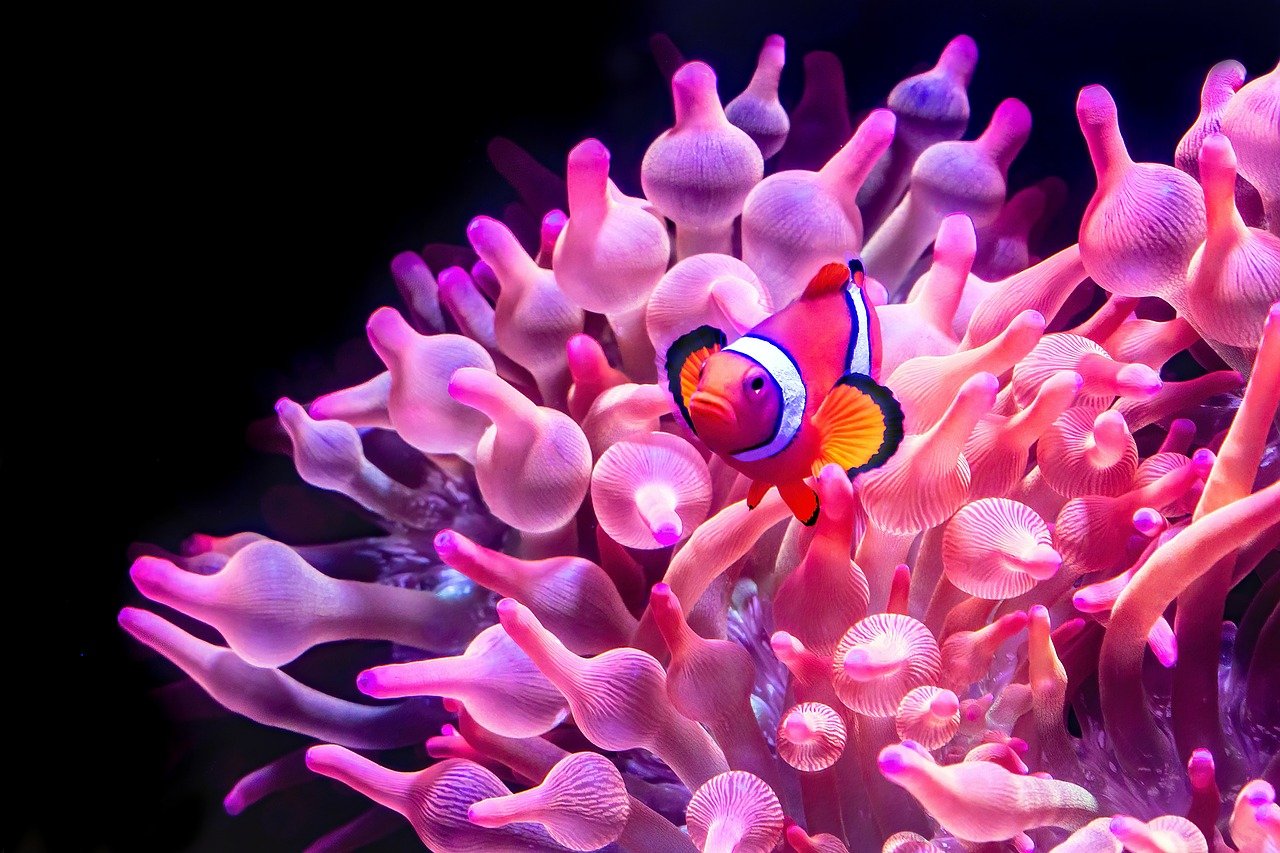
Often marketed under the trade name “Red Empress,” Protomelas taeniolatus is one of Lake Malawi’s most dazzling haplochromines. Males develop iridescent red-orange flanks overlaid with blue head markings — a combination that rivals marine fish for sheer spectacle. This protomelas taeniolatus care guide from Gensou Aquascaping at 5 Everton Park, Singapore, covers the essentials for keeping this peaceful hap healthy and colourful in a tropical home setup.
Origin and Natural Habitat
Protomelas taeniolatus is found across a wide range of Lake Malawi’s rocky coastline, from Namalenje Island to Chilumba and beyond. It grazes aufwuchs from rock surfaces at depths of 5-15 metres. Several geographical colour variants exist — the “Fire Blue” and “Super Red Empress” labels you see on Shopee or at local fish shops often refer to selectively bred lines rather than true locality forms. Adults reach 13-16 cm, with males being the larger and more colourful sex.
Tank Size and Setup
A 300-litre tank is the practical minimum for one male and three to four females. Unlike aggressive mbuna, taeniolatus is a relatively mild-mannered open-water swimmer that appreciates both rock structure and open swimming lanes. Arrange rocks along the back and sides, leaving the front third unobstructed. Use a fine sand substrate — the fish occasionally sift through it while foraging. Standard aquarium lighting brings out the red nicely, though a warm-white LED in the 6500-8000 K range enhances the iridescence further.
Water Conditions for Singapore
Lake Malawi haps thrive in alkaline, moderately hard water. Target a pH of 7.6-8.4, GH of 8-15 and KH of 6-10. Singapore’s PUB tap water is too soft out of the tap, so add a commercial Malawi buffer or place crushed coral in a mesh bag inside your canister filter. Temperature-wise, 24-27 °C is ideal. Our ambient heat of 28-31 °C can push things slightly high, so a fan directed across the water surface helps drop it by 2-3 °C through evaporative cooling — far cheaper than running a chiller.
Feeding for Optimal Colour
Taeniolatus are omnivores that lean towards a herbivorous diet in the wild. A high-quality spirulina pellet forms the best staple. Supplement with astaxanthin-enriched colour food once or twice a week to intensify the red pigmentation — brands like Northfin and Hikari Cichlid Bio-Gold are widely available in Singapore at $12-20 per 100 g. Occasional treats of blanched zucchini, frozen mysis shrimp or daphnia add variety. Avoid fatty foods and limit bloodworm to prevent bloat.
Suitable Tank Mates
Because P. taeniolatus is mild for a Malawi cichlid, choosing tank mates carefully matters. Other peaceful haps such as Copadichromis azureus, Otopharynx lithobates and Placidochromis electra make excellent companions. Gentle mbuna like Labidochromis caeruleus can coexist provided the tank is large enough. Steer clear of hyper-aggressive species — Melanochromis and Metriaclima types will bully taeniolatus into hiding, fading their colour and stressing them into illness.
Breeding Behaviour
Like most Malawi cichlids, taeniolatus are maternal mouthbrooders. The male displays intensely near a flat rock or sandy depression, quivering to attract a ripe female. After spawning, the female holds 20-50 eggs for approximately 21-28 days. She will lose noticeable body condition during this fast. Once she releases free-swimming fry, move them to a grow-out tank of at least 30 litres. Fry accept crushed flake and newly hatched brine shrimp immediately.
Health and Maintenance
Weekly water changes of 30-40% keep nitrate in check — aim for below 20 ppm. Malawi bloat remains the biggest health threat, typically triggered by poor diet or elevated nitrate. Early signs include lethargy, loss of appetite and white faeces. Metronidazole dosed at 250 mg per 40 litres is the standard treatment. Hole-in-the-head disease occasionally appears in haps and is linked to hexamita parasites and vitamin deficiency; maintaining varied nutrition usually prevents it.
Why Choose Protomelas Taeniolatus?
For hobbyists who want marine-level colour without the complexity of a reef, the Red Empress delivers. It is hardier than many reef fish, breeds readily and coexists with a variety of peaceful Malawi species. Setting up the right water chemistry in Singapore takes a small initial effort, but once established, the maintenance is straightforward. If you need guidance choosing compatible hap species for a display tank, the team at Gensou Aquascaping can help you plan a stunning Malawi community.
Related Reading



