
Copadichromis Azureus Care Guide: Metallic Blue Malawi Hap
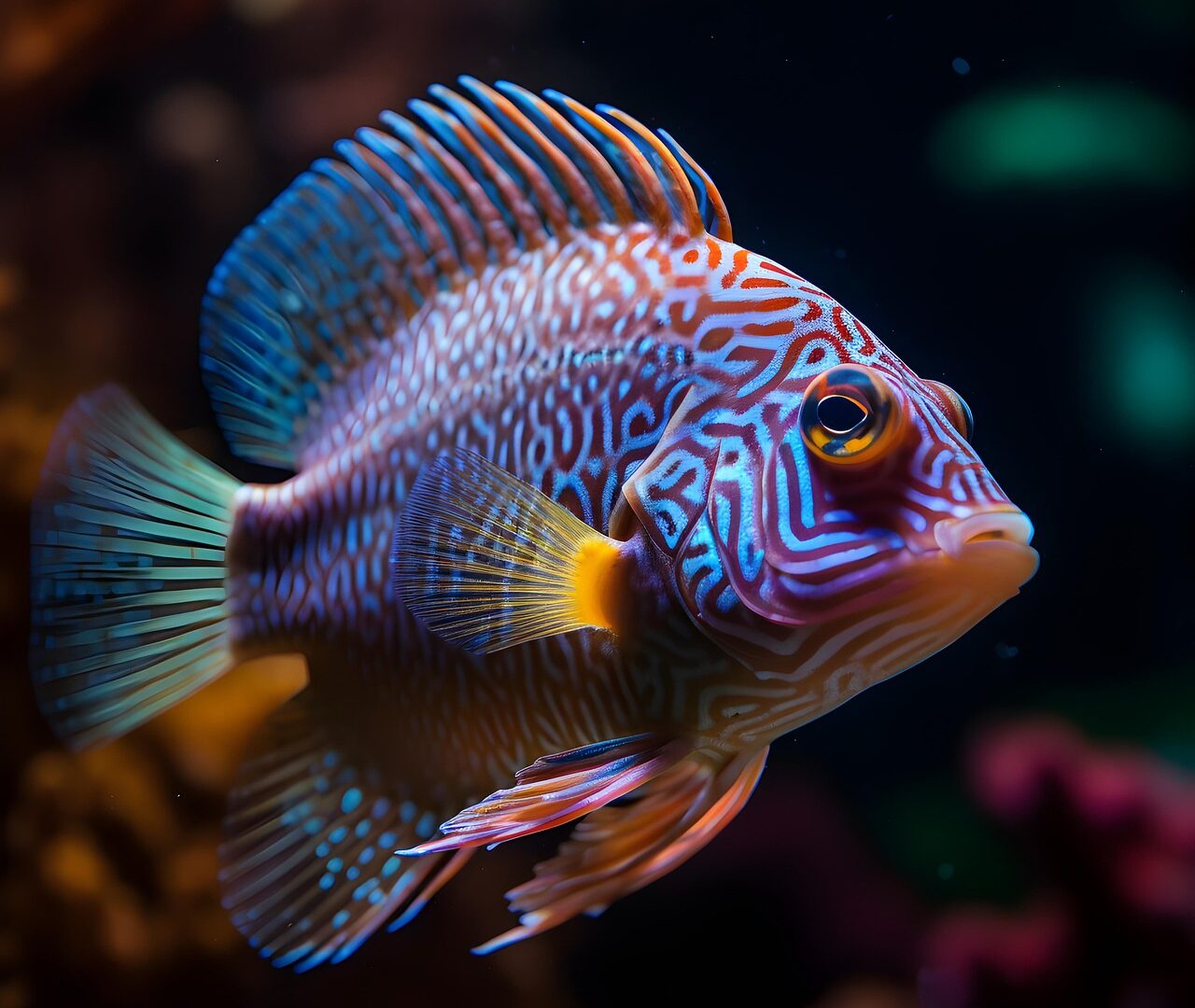
Few Lake Malawi haplochromines rival the electric shimmer of a dominant male Copadichromis azureus. This copadichromis azureus care guide from Gensou Aquascaping at 5 Everton Park, Singapore, walks you through everything needed to keep these metallic blue showpieces thriving. Often sold under the trade name “Azureus Hap,” this open-water species rewards patient keepers with stunning coloration that intensifies over months. Understanding their natural behaviour in the wild is the key to replicating success at home.
Natural Habitat and Origin
Copadichromis azureus inhabits the rocky-to-sandy transitional zones of Lake Malawi in East Africa. Males establish territories above the substrate at depths of 5-15 metres, where they build sand bowers to attract females. In the wild, they feed primarily on zooplankton suspended in the water column. This midwater lifestyle means they appreciate tanks with generous swimming room rather than heavily cluttered aquascapes.
Tank Size and Setup
A minimum of 300 litres is recommended for a single-species group, with 450 litres or more being preferable for a mixed Malawi community. Use fine sand as substrate so males can construct their breeding craters. Provide scattered rock piles along the back and sides, leaving the centre open for swimming. Lighting should be moderate — overly bright setups can wash out their metallic blue sheen. In Singapore’s warm climate, ambient room temperature often keeps water near 26-28°C, which sits at the lower end of their comfort range of 24-28°C.
Water Parameters
Lake Malawi cichlids thrive in hard, alkaline water. Aim for a pH of 7.6-8.6 and general hardness of 10-18 dGH. Singapore’s PUB tap water is naturally soft at GH 2-4, so you will need to buffer it. Crushed coral in the filter or a commercial Malawi salt mix works well. Consistency matters more than hitting an exact number — sudden swings in pH or hardness stress these fish far more than a slightly imperfect reading.
Diet and Feeding
In the aquarium, Copadichromis azureus accepts quality cichlid pellets readily. Choose a formula high in protein with spirulina content to enhance their blue colour. Supplement with frozen brine shrimp, daphnia, or cyclops two to three times per week. Avoid bloodworms as a staple — they can contribute to Malawi bloat when fed frequently. Feed small amounts twice daily rather than one large meal; this matches their natural grazing behaviour on plankton.
Behaviour and Tankmates
Males can be territorial during breeding, but overall C. azureus is considered one of the more peaceful Malawi haps. Keep them in a ratio of one male to three or four females to spread aggression. Suitable tankmates include other mild-mannered haplochromines such as Protomelas taeniolatus and Otopharynx lithobates. Avoid housing them with aggressive mbuna like Melanochromis auratus, which will dominate them easily. Adding similarly coloured species can trigger excessive male rivalry, so vary the colour palette of your community.
Breeding in the Home Aquarium
Breeding is straightforward once a dominant male establishes a territory. He will excavate a shallow pit in the sand and display vigorously with flared fins and intensified colour. The female is a maternal mouthbrooder, holding 20-50 eggs for approximately 21 days. Stripping the fry at around day 18 can improve survival rates. Newly released fry accept crushed flake and baby brine shrimp immediately. Expect decent prices locally — juveniles sell for $8-15 on Carousell and at shops along Serangoon North Avenue 1.
Common Health Issues
Malawi bloat is the primary concern with all Lake Malawi cichlids. Symptoms include swelling, lethargy, and white stringy faeces. Prevention is better than cure: maintain clean water with weekly 30-40% changes, avoid overfeeding, and keep protein-rich foods in moderation. Hole-in-the-head disease can also appear in stressed specimens. Activated carbon and consistent water quality go a long way in keeping your copadichromis azureus care guide advice in practice rather than theory.
Why Azureus Haps Deserve a Spot in Your Tank
Copadichromis azureus offers a combination of vivid colour, manageable temperament, and engaging breeding behaviour that few Malawi species can match. With the right water chemistry and a spacious setup, they reward their keepers with years of brilliant metallic blue display. For those in Singapore looking for guidance on Malawi community tanks, Gensou Aquascaping draws on over 20 years of hands-on experience to help you succeed.
Related Reading



