
Reed Frog Vivarium Care Guide: Hyperolius Species Setup
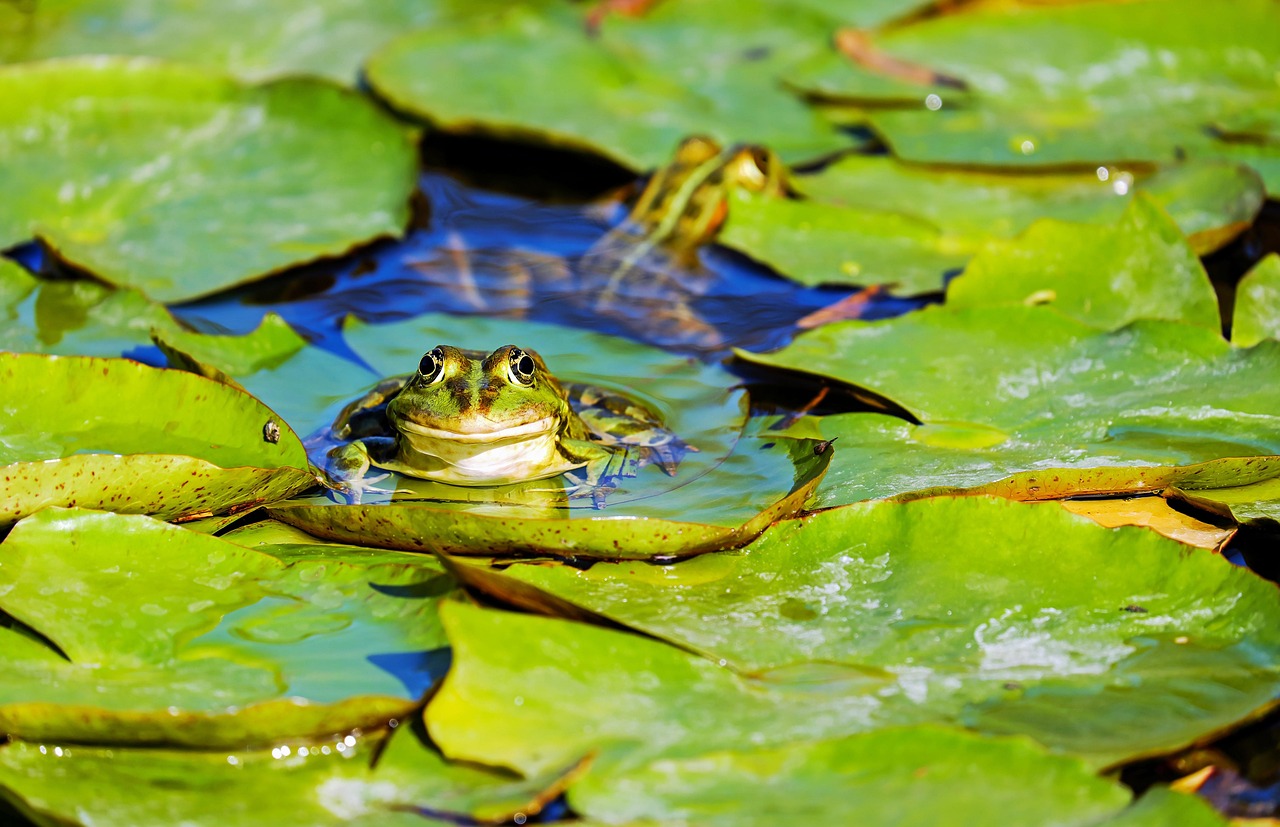
Reed frogs are jewel-like African climbers that reward the keeper willing to build a proper planted vivarium. This reed frog vivarium care guide from Gensou Aquascaping in 5 Everton Park focuses on Hyperolius species — H. marmoratus, H. viridiflavus, and the smaller painted types — which share nearly identical husbandry. They are more delicate than White’s tree frogs, smaller, faster-moving, and demanding of stable humidity. Done right, a colony of reed frogs in a bioactive tall vivarium is one of the most visually rewarding displays in the hobby.
Quick Facts
- Genus: Hyperolius, several visually similar species in the trade
- Adult size: 2.5-4 cm, females slightly larger
- Temperature: 22-28 °C, Singapore ambient suits them
- Humidity: 70-90 %, stable, twice-daily misting
- Tank: 45×45×60 cm for a group of 4-6
- Diet: small gut-loaded crickets, fruit flies, springtails, bean beetles
- Lifespan: 5-8 years in captivity
Why Tall Vivariums Matter
Reed frogs climb constantly and sleep clinging to broad leaves and tall reeds during the day. A wide-but-short tank underuses the space and forces them to perch at ground level. Aim for at least 60 cm of height with thin vertical climbing structures — bamboo canes, tall dracaena stems, and broad-leaved pothos trained upward. Live plants outperform plastic because they shed moisture, shade hiding spots, and regulate humidity gradients.
Planting the Vivarium
Pothos, dracaena, Scindapsus, and sturdy bromeliads handle frog traffic. Smaller fittonia and peperomia fill the mid-story. Leaf litter on the substrate encourages springtail and isopod activity — important since reed frogs snack on small invertebrates opportunistically. Avoid anything toxic or spiky; reed frogs land hard after jumps.
Humidity and Misting
Unlike White’s tree frogs, reed frogs decline rapidly if humidity drops below 65 % for extended periods. Mist heavily twice a day — morning and evening — to push humidity to 90 % briefly, allowing it to drift down to 70 % between cycles. An automatic misting system with dechlorinated RO water pays for itself in frog survival rates. Airflow matters too; fully sealed enclosures trap stagnant air and grow harmful bacteria.
Singapore Climate Fit
Ambient 28-30 °C is on the warm end but within tolerance. The natural 75-85 % humidity in un-airconditioned Singapore flats actually helps reed frogs. In air-conditioned rooms, misting needs to compensate for the drying effect. No chiller is needed, and no supplemental heating is needed.
Feeding Small Prey
Reed frogs take only small prey — pinhead crickets, flightless fruit flies (Drosophila melanogaster and D. hydei), bean beetles, and spring tails from the vivarium clean-up crew. Full-size crickets are refused and can injure frogs that attempt them. Gut-load feeders for 24-48 hours and dust with calcium plus multivitamin on alternate feedings. Offer food daily in modest amounts rather than large weekly meals.
Water and Drinking
A shallow water dish — no deeper than 1-2 cm for a small species — provides a soak point. Many reed frogs drink from droplets on leaves after misting, so heavy misting is the primary hydration source. Change water daily and always dechlorinate.
Group Dynamics
Reed frogs are social and do better in groups of four or more. Males call with a distinctive high-pitched chirp, mostly at night. There is no serious aggression between individuals. Mixing species of Hyperolius is possible but hybridisation in captivity confuses future identification; single-species groups are cleaner.
Common Health Issues
Dehydration is the most common cause of death, often missed because frogs hide their discomfort. A reed frog that looks thin along the spine or sluggish on evening feeds is almost certainly under-hydrated. Chytrid fungus is a real risk with imported stock; prefer captive-bred whenever available. Metabolic bone disease develops without consistent calcium supplementation.
Sourcing and Pricing
Reed frogs are less common in Singapore than White’s or pacman frogs. Specialist importers occasionally list them at $45-80 each. Captive-bred stock is preferable — wild-caught animals often carry parasites and adjust poorly. Quarantine new arrivals for a full month in a simple setup with paper towel substrate before introducing them to a bioactive display.
Related Reading



