
Rusty Cichlid Care Guide: Bronze Mbuna for Beginners
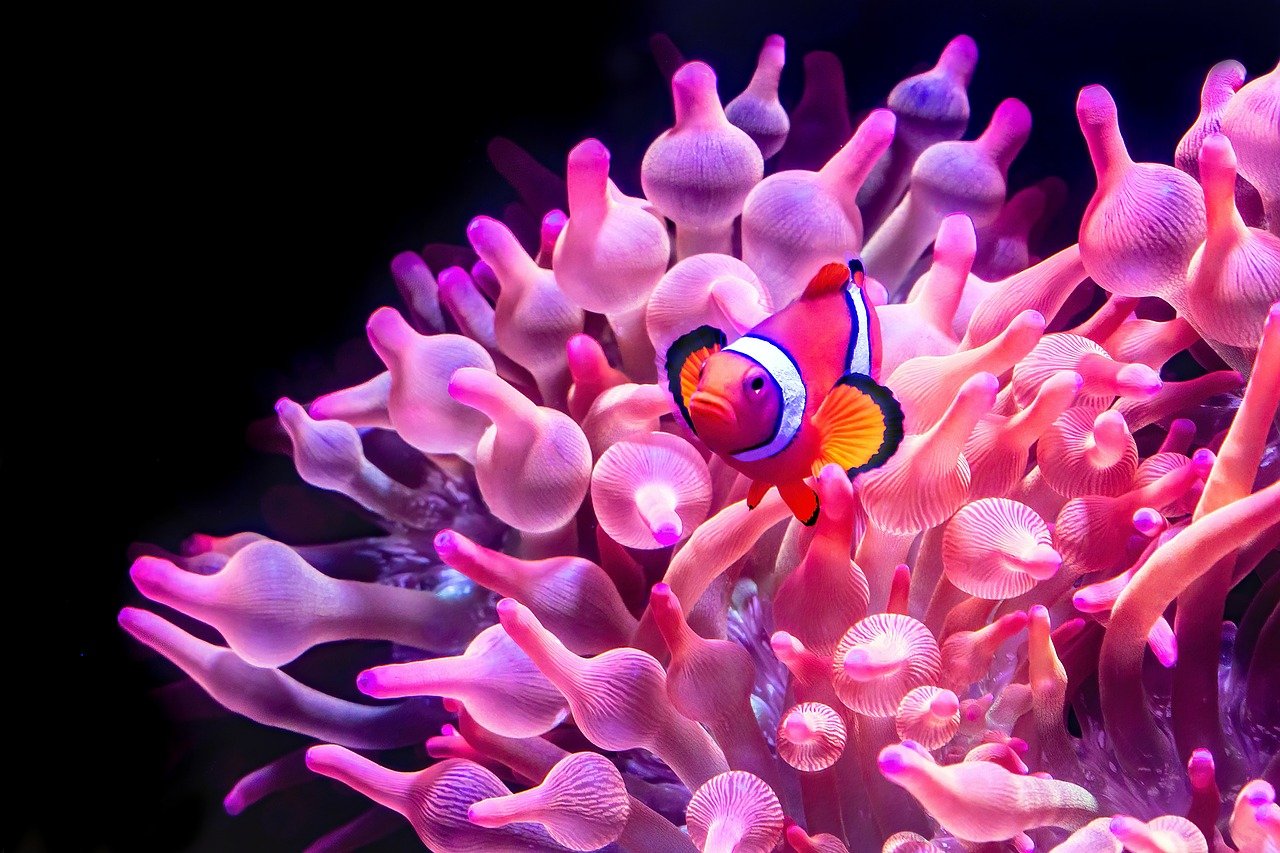
If you want a mbuna that combines good looks with a genuinely peaceful temperament, the rusty cichlid deserves a spot on your shortlist. Iodotropheus sprengerae earns its common name from the warm bronze-to-lavender body colour that shifts under different lighting. This rusty cichlid care guide from Gensou Aquascaping in Singapore walks you through everything needed to keep these underrated Lake Malawi natives healthy and colourful. They are one of the few mbuna species we confidently recommend to beginners.
Natural Habitat and Background
Rusty cichlids come from the rocky sediment-free zones around Boadzulu Island and Chinyankwazi Island in the southern portion of Lake Malawi. They inhabit depths of 5–15 metres, grazing on aufwuchs — the biofilm of algae, microorganisms, and tiny invertebrates coating rocks. Their relatively small adult size of 8–10 cm and mild disposition set them apart from many mbuna that grow larger and more belligerent.
Tank Requirements
A 150-litre aquarium comfortably houses a group of six to eight rusty cichlids. Rockwork remains essential; pile stones to form caves, passages, and ledges that replicate their natural habitat. Sand or fine gravel works as substrate — they occasionally sift through it looking for food. For Singapore hobbyists in HDB flats, a 150-litre setup is manageable on most furniture-grade stands, though always confirm the cabinet rating before filling.
Water Conditions in Singapore
Rusty cichlids thrive in alkaline, moderately hard water. Target pH 7.5–8.2 and GH 8–18. Because Singapore’s tap water sits around GH 2–4, buffering is necessary. A bag of crushed coral in your canister filter or a commercial cichlid buffer will raise hardness and stabilise pH. Temperature between 24–27 °C is ideal, and in our climate you rarely need a heater. Treat tap water with a dechlorinator that neutralises chloramine — PUB’s water supply uses it year-round.
Feeding and Nutrition
Rusty cichlids are primarily herbivorous in the wild but accept a broad diet in captivity. A spirulina-based pellet or flake provides the right nutritional foundation. Supplement weekly with blanched vegetables — zucchini rounds and shelled peas work well. Occasional protein treats like frozen mysis shrimp or daphnia are fine in moderation. Avoid feeding bloodworms frequently, as they contribute to the digestive issues mbuna are prone to. Two small feedings per day keep them active and colourful without fouling the water.
Temperament and Tankmates
Among mbuna, the rusty cichlid is remarkably tolerant. Males establish small territories around caves but rarely cause real harm. They coexist well with similarly calm species — yellow labs (Labidochromis caeruleus), Pseudotropheus acei, and Cynotilapia zebroides all make solid companions. Avoid housing them with hyper-aggressive mbuna like Melanochromis auratus or large haplochromines that may bully them. A group with a 1:2 or 1:3 male-to-female ratio keeps aggression at manageable levels.
Breeding Rusty Cichlids
Breeding is straightforward. Males darken their colour and display near a chosen cave to attract females. Like most mbuna, rusty cichlids are maternal mouthbrooders — the female holds 8–20 eggs for about 18–21 days before releasing free-swimming fry. She will not eat during holding, so ensure females are well-fed beforehand. Fry are surprisingly large at release and accept crushed flake or baby brine shrimp immediately. Separating the holding female into a breeder box or small tank reduces stress and improves fry survival rates.
Health and Common Problems
Malawi bloat is the biggest threat across all mbuna species. Symptoms include abdominal swelling, lethargy, and white faeces. Prevention centres on diet — keep it plant-heavy and avoid overfeeding protein. If bloat appears, treat promptly with metronidazole at 250 mg per 40 litres. Ich can flare after temperature drops or stress from transport; raising temperature to 30 °C and adding 3 grams of salt per litre usually clears mild cases within a week.
Why Rusty Cichlids Deserve More Attention
Overlooked in favour of flashier mbuna, the rusty cichlid quietly offers everything a hobbyist could want: manageable size, peaceful nature, easy breeding, and a subtle colour palette that photographs beautifully under good lighting. For those following this rusty cichlid care guide in Singapore, availability can be hit-or-miss — check Carousell and the shops along Thomson and Serangoon North for locally bred stock, which tends to be hardier than imported specimens.
Related Reading



