
Serpent Starfish Care Guide: Ophioderma Species in Reef Tanks
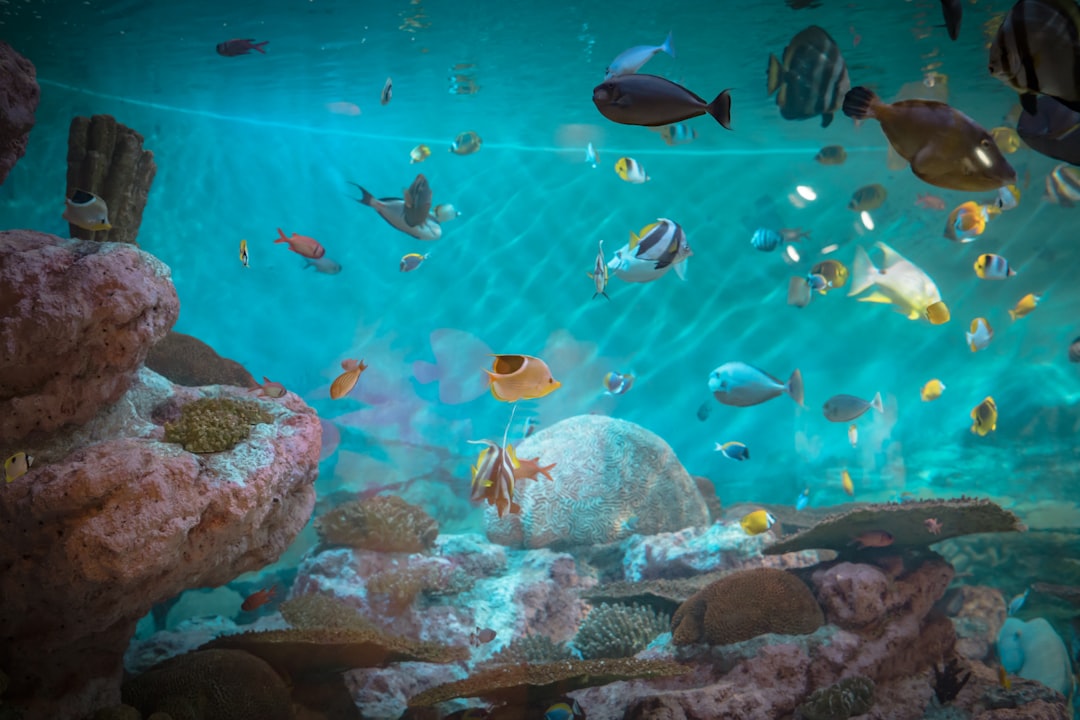
Tucked beneath rockwork by day and sweeping the substrate for scraps by night, the serpent starfish is one of the reef aquarium’s most efficient and unobtrusive scavengers. Unlike their more aggressive cousins the green brittle stars, Ophioderma species are genuinely reef-safe and pose no threat to sleeping fish. This serpent starfish care guide from Gensou Aquascaping at 5 Everton Park, Singapore is built on over 20 years of hands-on marine husbandry and will help you select, acclimate and maintain these fascinating echinoderms in your reef system.
Species Overview and Identification
Ophioderma species, commonly sold as fancy or banded serpent stars, feature smooth, rounded arms without the thorny spines found on brittle stars. Colouration ranges from deep burgundy and chocolate brown to olive green, often with lighter banding along the arms. Adults can reach an arm span of 20-25 cm, though 15 cm is more typical in home aquariums. The critical distinction for reef keepers is separating true serpent stars from the predatory green brittle star (Ophiarachna incrassata), which actively hunts small fish at night. Green brittle stars have rough, spiny arms and a distinctly green disc — avoid them in reef tanks.
Tank Requirements
Serpent starfish suit tanks of 100 litres and above, though their flexible bodies allow them to navigate surprisingly compact setups. Provide a mature reef with ample live rock creating caves, tunnels and crevices. These animals are nocturnal and will remain hidden during daylight hours, so do not be concerned if you rarely see yours. Stable reef parameters are essential: specific gravity of 1.024-1.026, temperature of 24-27°C, pH of 8.1-8.4, and alkalinity of 8-11 dKH. Singapore’s warm ambient temperatures require cooling measures for most reef setups.
Acclimation — Handle with Care
As echinoderms, serpent stars must never be exposed to air. Even momentary air contact can trap bubbles in their water vascular system, causing internal damage that manifests as slow deterioration over the following weeks. Drip acclimate for 90-120 minutes, then use a submerged container to transfer the animal directly into your tank. Match salinity within 0.001 specific gravity. Many hobbyists who report serpent stars “just dying” a few weeks after purchase can trace the loss back to poor acclimation or air exposure during transport.
Feeding and Scavenging Role
Serpent starfish are opportunistic omnivores that excel at cleaning up uneaten food, detritus and deceased organisms. In a well-stocked reef, they often sustain themselves entirely on scraps that settle into the rockwork. For supplemental feeding, offer small pieces of raw shrimp, mysis, squid or mussel placed near the starfish’s hiding spot after lights-out. You will see arms emerge from the rocks, wrapping around the food and drawing it back to the central mouth disc. Feed once or twice weekly if natural food availability is low.
Their scavenging behaviour benefits water quality by preventing food from decomposing in dead spots within the rockwork.
Reef Compatibility
True Ophioderma serpent stars are among the most reef-safe invertebrates available. They do not prey on corals, clams, or small fish when properly fed. Compatible tankmates include virtually all reef fish, shrimp, snails and other invertebrates. The only concern arises with large, aggressive wrasses or triggerfish that might nip at exposed arms. Multiple serpent stars can coexist in the same tank without territorial aggression, making them excellent team players in a comprehensive clean-up crew.
Regeneration and Arm Loss
Serpent starfish possess remarkable regenerative abilities. Lost arms, whether from predator damage, handling accidents or stress, regrow over several weeks to months provided the central disc remains intact. A regenerating arm appears thinner and lighter in colour than established ones. During recovery, ensure supplemental feeding and stable parameters to support the energy-intensive regrowth process. Arm autotomy, where the starfish deliberately drops an arm when threatened, is a natural defence mechanism and not cause for alarm.
Common Health Issues
Disintegrating arms or a softening central disc indicate serious water quality problems, often elevated nitrates above 20 ppm or unstable salinity. Copper exposure is lethal, as with all echinoderms. Bacterial infections occasionally appear as white patches or lesions on the disc. Maintaining pristine water quality and avoiding physical damage during tank maintenance are the best preventive measures. A healthy serpent star responds to food stimuli within seconds, extending arms rapidly towards the scent of fresh food.
Where to Buy in Singapore
Serpent starfish are regularly stocked at marine shops along Serangoon North Avenue 1 and at C328 Clementi, typically priced at $12-25 SGD depending on species and size. Online sellers on Carousell also list them periodically. When selecting, look for an active animal with intact arms and a firm central disc. Avoid specimens with missing or regenerating arms unless you are confident in your tank’s stability. With proper care, a serpent starfish can live five years or more, quietly maintaining your reef’s cleanliness behind the scenes.
Related Reading



