
Emerald Crab Care Guide: Mithraculus Sculptus Bubble Algae Control
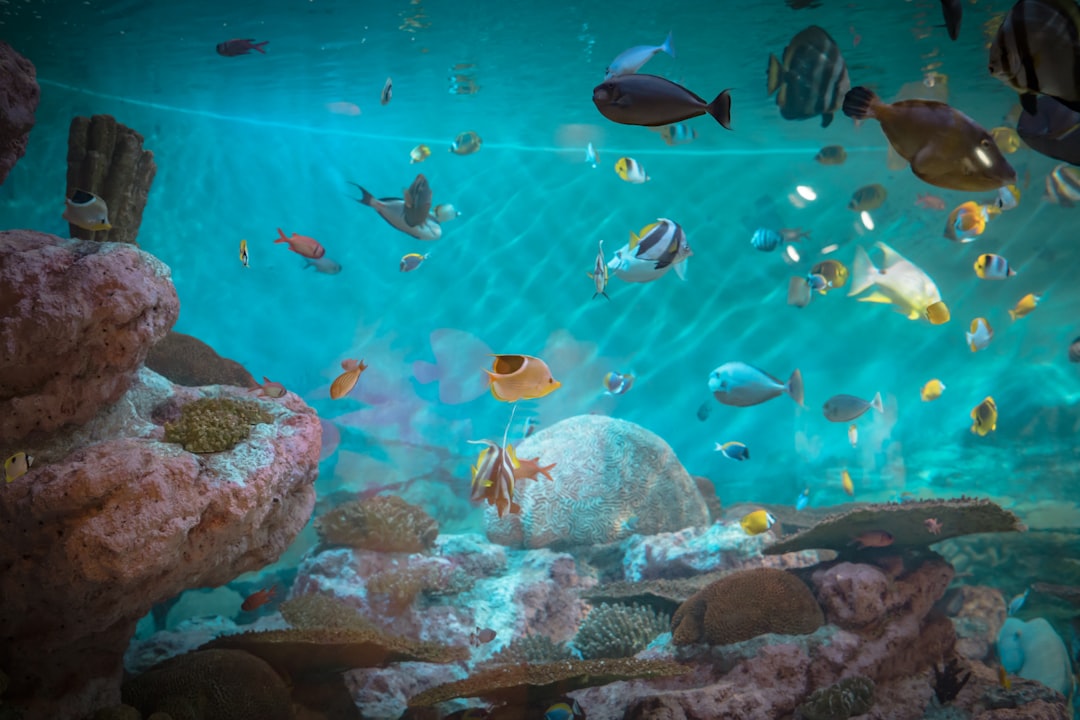
Bubble algae can overwhelm a reef tank with alarming speed, and few biological controls match the appetite of the emerald crab. Mithraculus sculptus, a compact, vivid green crab from the Caribbean, has earned its reputation as the go-to solution for Valonia outbreaks in home reef systems. This emerald crab care guide from Gensou Aquascaping at 5 Everton Park, Singapore is informed by over 20 years of hands-on reef maintenance and will help you deploy these crabs effectively while managing their occasionally opportunistic tendencies.
Physical Description and Behaviour
Mithraculus sculptus reaches roughly 5 cm across the carapace at maturity. Its flat, sculpted shell and bright emerald green colouration make identification straightforward. The claws are spoon-shaped, perfectly adapted for scooping bubble algae off rock surfaces. During daylight, emerald crabs tend to stay hidden within the rockwork, emerging at dusk to begin grazing. They are generally peaceful but can become territorial with conspecifics in cramped quarters, so allow one crab per 80-100 litres as a rough stocking guideline.
Tank Setup and Water Parameters
Emerald crabs adapt to standard reef conditions without special requirements. Maintain specific gravity at 1.024-1.026, temperature of 24-27°C, pH of 8.1-8.4 and alkalinity of 8-11 dKH. Calcium levels of 400-450 ppm and magnesium of 1280-1350 ppm support healthy shell development and moulting. In Singapore’s warm climate, where ambient temperatures push 28-32°C, cooling solutions keep your reef within acceptable range. Provide substantial rockwork with multiple hiding spots — these crabs need secure retreats, especially during the vulnerable post-moult period.
Bubble Algae Control
The primary reason hobbyists seek emerald crabs is their consumption of bubble algae (Valonia ventricosa and related species). A single motivated crab can clear a moderate Valonia infestation within two to three weeks, puncturing and consuming the characteristic green spheres methodically. For heavier infestations, introduce two or three crabs in a tank of 200 litres or more. Manually removing the largest bubbles with tweezers before introducing crabs accelerates the process. Take care not to burst bubbles during manual removal, as this releases spores that spread the algae further.
Feeding Beyond Algae
Once bubble algae is eliminated, emerald crabs transition to grazing film algae, hair algae and detritus. Supplemental feeding prevents potential problems. Offer dried nori, algae wafers or small pieces of frozen meaty food once or twice weekly. A hungry emerald crab denied adequate nutrition may turn opportunistic, nipping at soft corals, particularly zoanthids and mushrooms. This notorious behaviour is almost always linked to insufficient food rather than inherent aggression. Keep them well-fed, and coral predation is rare.
Reef Safety — The Honest Assessment
Emerald crabs occupy a grey area in reef compatibility. Most specimens never touch coral. However, a percentage — particularly larger, older individuals — develop a taste for polyp tissue when hungry. Zoanthids, star polyps and fleshy LPS corals are the most common targets. The risk increases in nutrient-poor tanks with minimal algae growth. Watch newly introduced crabs closely for the first two weeks. If you observe persistent coral nipping, remove the crab promptly. Having a backup plan, such as a sump or quarantine tank, is sensible.
Moulting and Growth
Like all crustaceans, emerald crabs grow through periodic moulting. Expect a moult every four to eight weeks, depending on size and feeding. The shed exoskeleton is often found on the sand bed and should be left in the tank for mineral recycling. Freshly moulted crabs are soft-bodied and extremely vulnerable to predation; ensure adequate rockwork shelters during this period. Maintaining stable calcium and magnesium levels supports successful moults, while deficiencies lead to incomplete shedding that can prove fatal.
Tankmate Considerations
Compatible tankmates include most reef fish, cleaner shrimp, snails and other invertebrates. Avoid housing emerald crabs with aggressive predators like triggers or large wrasses. Multiple emerald crabs coexist if the tank offers sufficient territory and hiding spots, though same-sex pairs may spar occasionally. Pairing with other algae control species creates a well-rounded crew: tuxedo urchins for film algae, peppermint shrimp for aiptasia, and turbo snails for hard-surface grazing.
Purchasing Tips
Emerald crabs are readily available in Singapore’s marine shops at $8-15 SGD. Select active specimens with bright green colouration and intact limbs. Avoid crabs that are lethargic or have dull, brownish shells, which may indicate stress or prolonged poor conditions. Acclimate via the drip method over 60 minutes, matching salinity and temperature before release. With proper feeding and stable conditions, these crabs serve as effective, engaging members of your reef’s maintenance team for two to three years.
Related Reading
- Emerald Dwarf Rasbora Care Guide: Shimmering Micro Jewel
- Hermit Crab Care Guide for Saltwater Aquariums: Tiny Reef Workers
- Pom Pom Crab Care Guide: Freshwater Ptychognathus in Nano Tanks
- Porcelain Crab Care Guide: Neopetrolisthes Filter-Feeding Anemone Dwellers
- Red Claw Crab Care Guide: A Brackish Paludarium Favourite



