
How to Breed Sparkling Gouramis: Bubble Nests in Nano Tanks
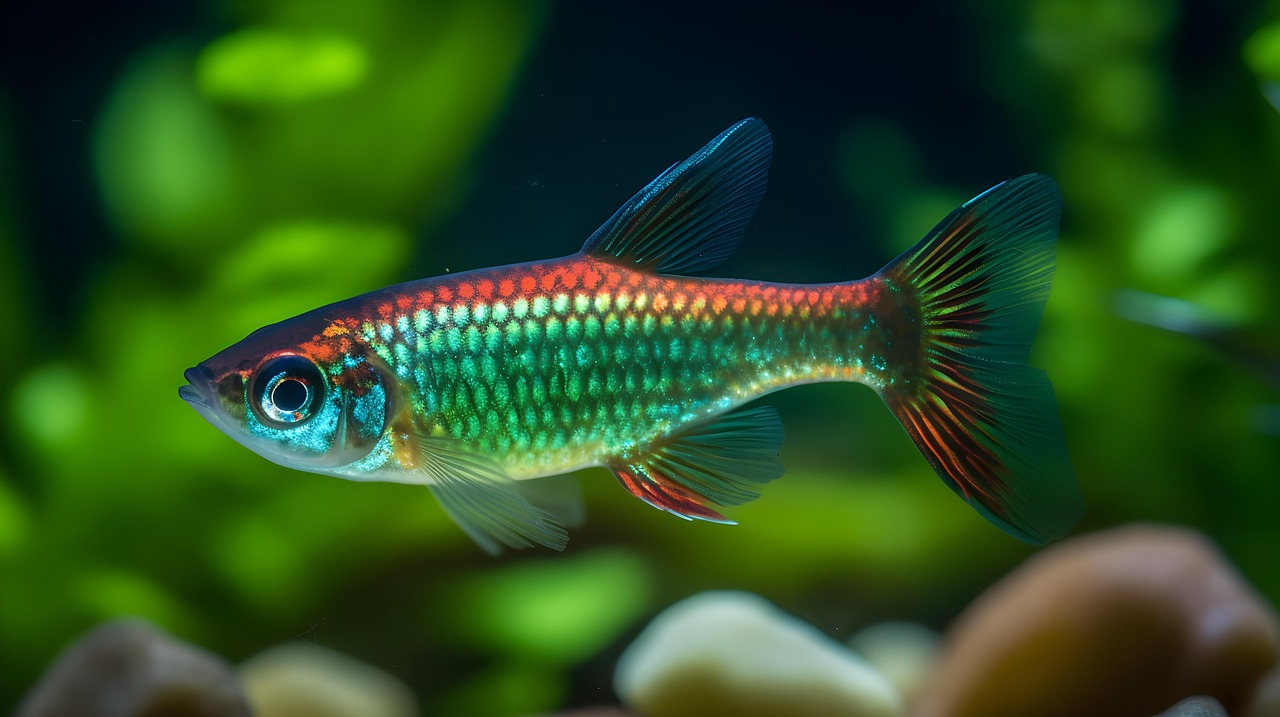
Among the nano fish available to Singapore hobbyists, Trichopsis pumila — the Sparkling Gourami — stands apart for its iridescent blue-green spots, its audible croaking call during courtship, and its surprisingly manageable breeding behaviour. Learning to breed Sparkling Gouramis requires little space and no specialist equipment, making it an ideal first breeding project. This breed sparkling gourami guide from Gensou Aquascaping at 5 Everton Park, Singapore covers everything from tank preparation through to raising the first cohort of fry.
Why Sparkling Gouramis Are a Good Starter Breeding Species
They reach only 4 cm as adults, breed willingly in tanks as small as 20 litres, and show genuine parental behaviour that is fascinating to observe. Unlike egg scatterers, the male constructs and guards a bubble nest, giving you a clear visual cue that spawning is imminent or underway. They are also tolerant of Singapore’s soft PUB tap water with minimal adjustment, making setup straightforward for most hobbyists.
Sexing and Selecting a Pair
Males are slightly more colourful with more elongated dorsal and anal fins; females are rounder in the belly. Purchase four to six juveniles and grow them on together to around 2–3 cm before attempting to breed. Once you observe consistent pair formation — a male displaying to a specific female, driving others away — you can isolate that pair into a dedicated breeding tank. Forcing random pairings tends to produce stress rather than spawning.
Setting Up the Breeding Tank
A 20–30 litre tank with a tight-fitting lid is ideal. Air space above the water surface must be warm and humid — Sparkling Gouramis build bubble nests at the surface and the labyrinth organ fry rely on breathing warm, moist air in the first weeks of life. Keep a 5 cm air gap between the water surface and the lid. Use floating plants such as Salvinia or water lettuce for nest anchoring. Gentle sponge filtration only; no surface agitation. Water temperature at 26–28°C suits Singapore’s climate without a heater.
Spawning Behaviour
The male begins by constructing a bubble nest under floating plant cover — this takes one to three days. Courtship follows: he crooks and flares at the female, producing a soft croaking sound audible in a quiet room. If receptive, she approaches the nest and they embrace in typical anabantid fashion, the male wrapping his body around hers as she releases eggs. The male collects the fertilised eggs and places them in the bubble nest. This cycle repeats over several hours, producing 50–200 eggs in total.
Post-Spawning Care and Egg Hatching
Remove the female after spawning — the male will become aggressive toward her while guarding the nest. Leave the male in place; he will tend the nest, replacing fallen bubbles and retrieving any eggs that sink. Eggs hatch in 24–36 hours. Once you see free-swimming fry (around day three), the male should also be removed as his parental instinct fades and he may begin eating the fry. Keep the tank covered and lights dim throughout this period.
Feeding the Fry
Sparkling Gourami fry are among the smallest in the hobby — at 1–2 mm, they can only accept infusoria, vinegar eels, or commercial liquid fry foods initially. A green water culture started a week before expected hatching ensures a ready supply. After five to seven days, introduce freshly hatched Artemia nauplii in small quantities. Overfeeding is a greater risk than underfeeding at this stage — uneaten food fouls the water rapidly. Tiny daily water changes of 5–10% using a thin airline tube help maintain quality without disturbing the fry.
Growth and Development
Juvenile Sparkling Gouramis grow steadily, reaching 1 cm by week three and showing their characteristic spots by week six. By eight weeks they can eat micro-pellets and crushed flake. At 10–12 weeks, you can move them into a community nano tank. Singapore hobbyists often find them easier to sell than expected — Sparkling Gouramis are consistently in demand as peaceful community fish for nano planted tanks, and $3–$6 per juvenile is a reasonable Carousell price for well-conditioned stock.
Related Reading



