
Chocolate Gourami Tank Mates: Peaceful Companions for Soft Water
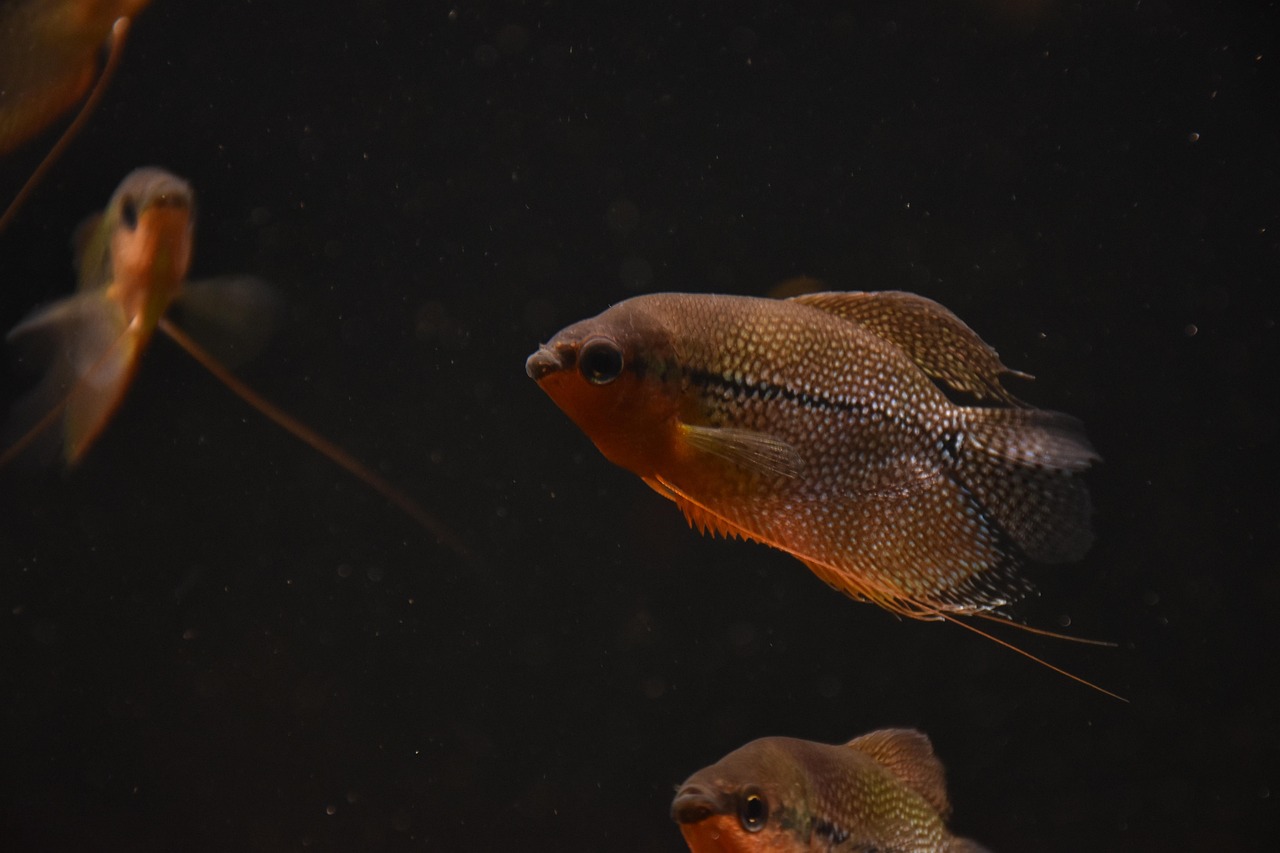
Keeping Sphaerichthys osphromenoides — the Chocolate Gourami — successfully long-term depends almost entirely on getting the tank environment right, and that means choosing compatible companions with equal care. The wrong tank mate can stress these already sensitive fish into disease or suppressed immunity within weeks. This Chocolate Gourami tank mates guide from Gensou Aquascaping at 5 Everton Park, Singapore, identifies species that share the blackwater soft-acid conditions Chocolate Gouramis require, without adding the competition or harassment that shortens their lives.
Understanding the Chocolate Gourami’s Environment
In nature, Chocolate Gouramis inhabit the peat swamp forests of Peninsular Malaysia, Sumatra, and Borneo — water that is dark with tannins, extremely soft (GH 0–2), and highly acidic (pH 4.5–6.0). Conductivity is often below 50 µS/cm. Any tank mate must tolerate these same parameters because Chocolate Gouramis will not thrive in anything harder or more neutral. This immediately rules out the vast majority of community fish.
Nano Tetras From Blackwater Habitats
Several small tetras from South American blackwater rivers share almost identical water parameter requirements and make ideal companions. Paracheirodon simulans (Green Neon Tetra) and Hyphessobrycon amandae (Ember Tetra) both thrive at pH 5.5–6.5 in very soft water. They are small enough to pose no threat to Chocolate Gouramis and add midwater movement without competition for territory. A shoal of twelve or more creates visual interest while maintaining the calm atmosphere these gouramis need.
Dwarf Rasboras
Boraras brigittae (Chilli Rasbora) and Boraras maculatus (Dwarf Rasbora) are native to similar peat swamp habitats in Southeast Asia, making them perhaps the most ecologically matched tank mates available. Their sub-2 cm size means they pose absolutely no threat, and they look spectacular alongside the warm brown and cream banding of Chocolate Gouramis in a tannin-stained tank. Available in Singapore at most specialist nano fish shops for $3–$5 each.
Bottom Dwellers That Won’t Compete
Otocinclus catfish tolerate soft, acidic water and are gentle enough not to stress Chocolate Gouramis — they also help manage algae growth on leaves and glass. Smaller Corydoras species such as C. habrosus work if pH is kept above 5.5, though they are not naturally blackwater fish. A better choice in a true blackwater setup is Pangio kuhlii (Kuhli Loach), which thrives at low pH and stays out of the upper water column where Chocolate Gouramis tend to spend their time.
Invertebrates: Proceed With Caution
Shrimp are problematic with Chocolate Gouramis. While adults of larger neocaridina species may be ignored, juveniles and small species like Caridina will be eaten — Chocolate Gouramis are mouthbrooders with surprisingly quick reflexes when small prey is nearby. Snails such as nerite snails are generally safe and beneficial for biofilm grazing. Avoid Malaysian trumpet snails in large numbers as they disturb fine blackwater substrates.
Species to Avoid Completely
Hard-water community staples — platies, guppies, danios, tiger barbs — are simply incompatible at the parameter level. Even if they survived initially, their presence would require compromising the water chemistry that Chocolate Gouramis depend on. Equally problematic are active, fast-moving fish that trigger stress responses in shy gouramis: larger cichlids, most barb species above 5 cm, and any fin-nipping species are out. The Chocolate Gourami’s slow movement and protruding fins make it a target.
Building the Community the Right Way
Establish the tank for at least two months before adding Chocolate Gouramis — a mature biofilm, stable chemistry, and established tank mates all reduce the transition stress these fish experience. Add Chocolate Gouramis last, in groups of three or more to distribute any pair-bond aggression internally. At Gensou Aquascaping, we consistently recommend building the whole community around the Chocolate Gourami’s requirements from day one rather than trying to retrofit an existing setup — it is the single biggest predictor of long-term success with this species.
Related Reading



