Top 10 Colorful Aquarium Fish Roundup: Vibrant Freshwater Picks
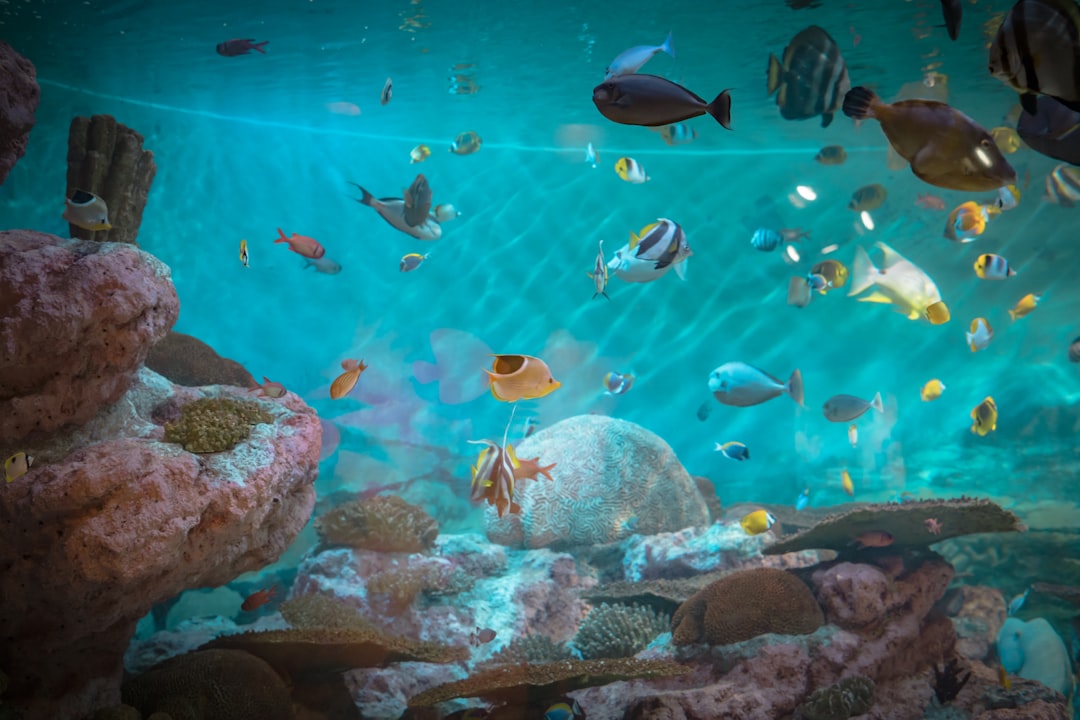
Bright coloration in freshwater fish hinges on three factors: genetics, diet, and water conditions that suppress stress. The top 10 colorful aquarium fish below are ranked by colour intensity and ease of maintaining that intensity over time. This roundup from Gensou Aquascaping at 5 Everton Park notes the lighting spectrum, substrate colour and feeding routine that bring each species to peak appearance. Cheap fluorescent white lights wash out reds and oranges; aim for a 6500K planted-tank LED with a colour rendering index above 90 to actually see what you paid for. Pair with a dark substrate to deepen perceived saturation across most species, and feed colour-enhancing pellets containing astaxanthin and spirulina to maintain pigment over months rather than weeks.
How Lighting and Diet Drive Colour
Carotenoid pigments come from food — astaxanthin, canthaxanthin and lutein cannot be synthesised by fish and must be supplied through the diet. Iridescent blues and silvers are structural rather than pigment-based and depend on stable water chemistry rather than feeding. The interplay matters: a red fish on a poor diet looks orange, and an iridescent fish in stressful water looks dull regardless of how it is fed.
1. Discus (Symphysodon aequifasciatus)
The undisputed king of freshwater colour with red, blue, pigeon blood and snakeskin lines. 15cm adult, group of six, 200-litre tank. Iwarna stocks captive-bred Asian lines at SGD 80-300 per fish. Not beginner-friendly — pH 6.0-6.5, daily large water changes, near-zero nitrate target. Singapore-bred lines acclimate faster than imported European stock.
2. Peacock Cichlid (Aulonocara sp.)
Lake Malawi haps that flash electric blue, yellow, orange and red under hard water. 12cm males, group of one male to four females, 200-litre tank. Petopia: SGD 25-80 each. Mature males develop full colour by 18 months and require remineralised tap water (KH 6-12) to maintain pigment.
3. Apistogramma Cacatuoides (Apistogramma cacatuoides)
South American dwarf cichlid with orange-and-yellow flame finnage. 8cm male, harem setup of one male to three females. SGD 25-50 from specialist Carousell breeders. Add Indian almond leaves and a tannin-friendly substrate for full colour expression. Triple Red and Orange Flash strains are the most saturated lines.
4. Rainbowfish, Boesemani (Melanotaenia boesemani)
Half-blue, half-orange males that intensify when chasing each other in a group. 11cm, group of six, 150-litre tank. Iwarna: SGD 15-30. Hardy in GH 4-12 — better suited to remineralised tap than soft-water tanks. Colour saturation peaks in tanks with strong morning sunlight exposure.
5. Cardinal Tetra (Paracheirodon axelrodi)
Iridescent blue stripe over solid red ventrals. 4cm, group of 12, 75-litre. SGD 2-3. The single most colourful tetra per dollar. Wild Brazilian stock develops fuller red bands than tank-bred Asian lines after two months in soft tannin-stained water.
6. Killifish (Aphyosemion striatum)
African killis with red-spotted yellow flanks. 5cm, pair or trio in a 25-litre planted tank. Carousell breeders: SGD 8-20. Short-lived (12-18 months) but spawn readily on synthetic mops. Eggs survive dry storage for months — convenient for hobbyists who travel.
7. Ram Cichlid (Mikrogeophagus ramirezi)
Electric Blue, Gold and German strains all flash gemstone tones. 5cm, pair, 60-litre tank. SGD 12-30 each. Sensitive to nitrate above 20ppm — colour fades when water quality slips. Maintain weekly 30 per cent water changes for sustained pigment.
8. Endler’s Livebearer (Poecilia wingei)
N-class males parade peacock greens, blacks and oranges. 2.5cm, trio per 15-litre tank. SGD 8-15 for pure strains. Tank-bred hybrids dilute the colour markers within two generations — buy from breeders who track lineage.
9. Galaxy Rasbora (Danio margaritatus)
White-spotted slate body with red-edged fins. 2cm, group of eight, prefers 22-26°C. SGD 4-8 from Petopia. Use the colour-enhancing food range for sustained pigment. Captive-bred lines now dominate but show subtler patterning than wild Burmese stock.
10. Betta Splendens (Betta splendens)
Show-grade halfmoons in galaxy, koi, marble and dragon scale patterns. 7cm, solo in 20-litre+. Carousell breeders: SGD 25-150. Use a QANVEE Bio Sponge Filter on lowest air to avoid fin damage. Top-tier show fish from Thai imports push past SGD 200 with full visual genetics documented.
Related Reading