Top 10 Community Aquarium Fish Roundup: Peaceful Mixed Tank
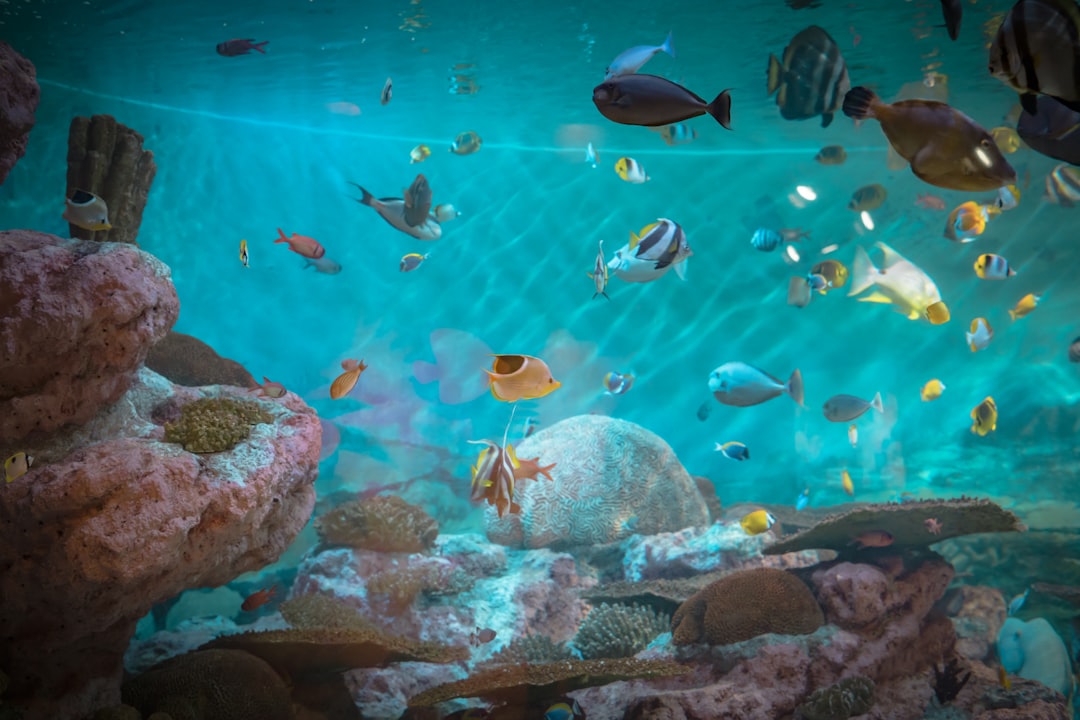
A balanced community tank places three or four species across the top, middle and bottom layers with no overlapping aggression triggers. The top 10 community aquarium fish below are ranked by reliability — species that consistently behave across mixed setups come first, then more situational picks. This roundup from Gensou Aquascaping at 5 Everton Park lists each pick’s preferred swim layer, compatible tankmates and Singapore SGD pricing. Build communities from this list and you will rarely run into the nip-out, hide-out or starve-out scenarios that derail beginner mixed tanks. Stock progressively over four weeks to give the bacterial colony time to scale with the bioload, and add bottom-dwellers last so existing schoolers do not bully them out of feeding zones.
Why Layer Stocking Matters
Surface, mid-water and substrate species occupy different territories that rarely conflict. A 90cm community tank typically supports one centrepiece (gourami or dwarf cichlid), one schooling species (rasboras or tetras), one bottom-dweller group (corys or kuhlis) and one algae grazer (otocinclus or bristlenose). Mixing two species from the same layer often triggers competition for territory or food and breaks the otherwise peaceful balance.
1. Harlequin Rasbora (Trigonostigma heteromorpha)
Mid-water schooler that ignores everyone. 4.5cm, group of eight, 75-litre minimum. Pairs flawlessly with corys, gouramis, dwarf cichlids and shrimp. C328 prices them at SGD 2-4. The benchmark community schooler — five-year lifespan and fully colour-saturated within four weeks of acclimation in soft tannin-stained water.
2. Corydoras Sterbai (Corydoras sterbai)
Bottom-dweller, cleans uneaten food, accepts Singapore ambient temperatures up to 30°C. 6cm, group of six on sand from the substrate range. Iwarna sells them at SGD 8-15. Never solo — single corys waste away within months from chronic stress, regardless of feeding quality.
3. Honey Gourami (Trichogaster chuna)
Peaceful labyrinth centrepiece. 5cm, top-water dweller, drinks atmospheric air. Petopia: SGD 8-12. Pair with rasboras below and corys at the bottom for a clean three-layer community. Skip the dwarf gourami substitution — they carry iridovirus that wipes honeys.
4. Pearl Gourami (Trichopodus leerii)
Larger top-dweller for 120-litre+ tanks. 12cm, peaceful with everything except dwarf gouramis (territorial overlap). Iwarna: SGD 15-25. The lacy spotting deepens in tannin-stained water and males develop trailing pelvic filaments that triple their original length.
5. Cardinal Tetra (Paracheirodon axelrodi)
Mid-water schooler with red-blue colour saturation. 4cm, group of 12. SGD 2-3. Compatible with all peaceful species; wild-caught stock acclimates better when added first to the cycled tank before any larger species.
6. Otocinclus (Otocinclus vittatus)
Algae-grazing nano catfish. 4-5cm, group of six, biofilm-dependent. SGD 4-7 each. Add only to tanks at least three months mature — algae bloom phase ensures food supply, and new tanks starve them silently within weeks.
7. Bristlenose Pleco (Ancistrus sp.)
Bottom workhorse that eats algae and accepts any peaceful community. 12cm, single male per 90-litre+ tank. SGD 8-15 juveniles at Iwarna. Drop in algae wafers twice weekly to supplement when algae thins after the tank matures.
8. Cherry Barb (Puntius titteya)
Mid-water schooler, peaceful unlike most barbs. 5cm, group of six. SGD 3-5. Skip tiger barbs — completely different temperament. Cherry males turn deep crimson during courtship displays in well-planted tanks.
9. Kuhli Loach (Pangio kuhlii)
Bottom-layer eel-shaped nocturnal feeder. 10cm, group of five, fine sand needed. SGD 3-6. Adds movement at the substrate level without disturbing rooted plants. Tightly fitted lid essential — kuhlis squeeze through tiny gaps and dry out on floors.
10. Dwarf Gourami (Trichogaster lalius)
Centrepiece male with vivid stripes. 6cm, single male in 60-litre+ community. Petopia: SGD 8-15. Caveat: imported stock often carries iridovirus — quarantine in a separate setup using a QANVEE Bio Sponge Filter for two weeks before adding to the main tank. Captive-bred Singapore-line dwarfs from Carousell breeders carry significantly lower disease risk and the line-bred neon, flame and powder blue colour morphs all share the same body shape and behavioural profile, with subtle differences only in finnage iridescence under spot LEDs.
Related Reading