
Tuxedo Guppy Strain Genetics Guide
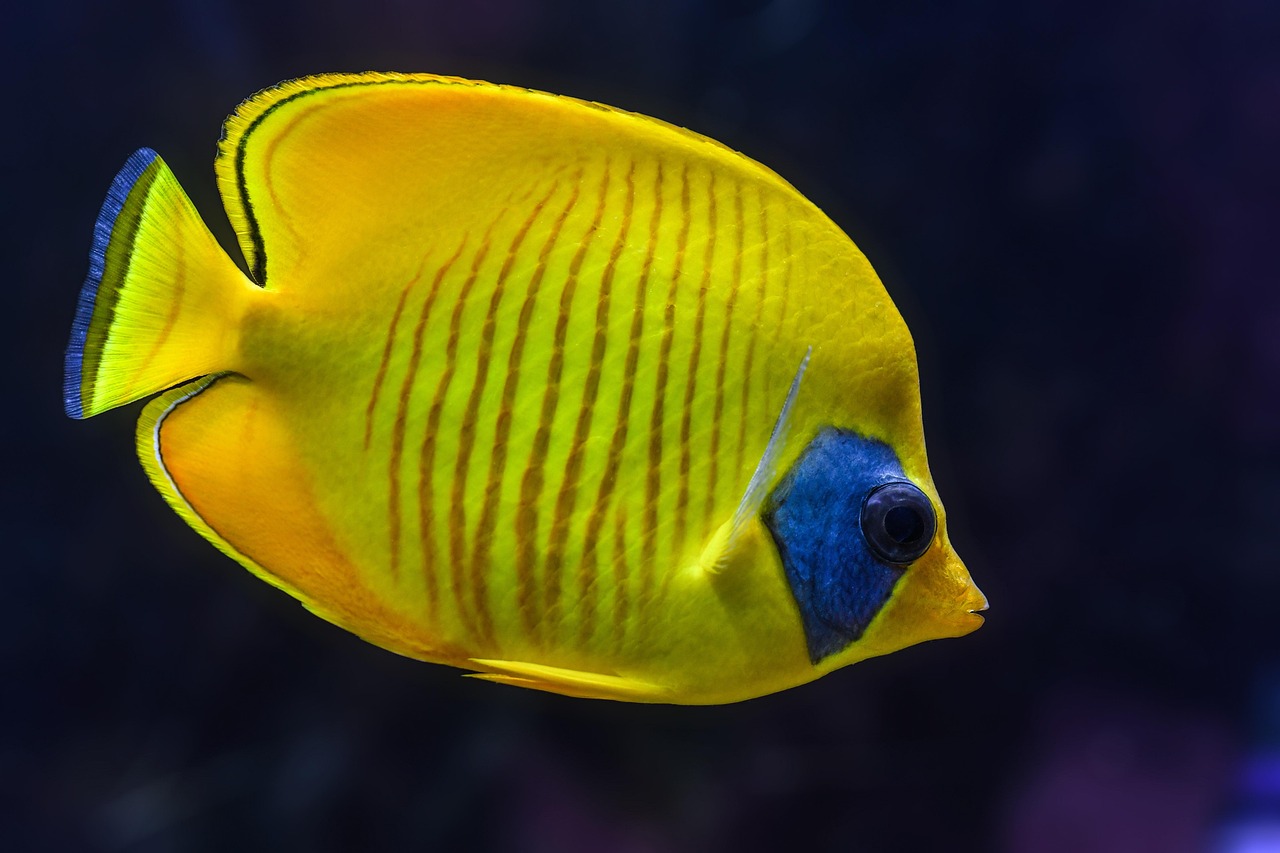
Tuxedo guppies wear a distinctive black or dark “vest” across the rear half of the body, often paired with vibrant blues, reds or yellows on the dorsal half. Practical tuxedo guppy strain genetics requires understanding the autosomal Tu gene, recognising how it interacts with carotenoid expression, and structuring breeding pairs that hold the pattern across generations. This guide from Gensou Aquascaping at 5 Everton Park draws on years of broodstock work with Singapore livebearer breeders and on grow-out data from the three tuxedo lines we maintain for clients building display tanks at home. This guide sits inside our broader Tropical Fish Species Master Index reference.
The Tuxedo Gene Mechanism
The tuxedo trait sits on an autosomal locus and behaves as incomplete dominant. One copy produces partial expression; two copies produce the full vest. This makes tuxedo crosses more predictable than many fancy guppy traits and lets a breeder identify carriers visually rather than via test crosses. Females carry and express the trait at a slightly weaker intensity than males, with the vest visible on mature gravid females especially around the peduncle.
Pattern Boundary as a Quality Marker
A show-quality tuxedo has a sharp vertical or slightly diagonal boundary between the coloured anterior and the dark posterior, ideally placed at or just behind the dorsal fin insertion. A boundary that smudges, tilts forward of the dorsal, or breaks into patches signals modifier interference and weakens line consistency. Track boundary placement across spawns; the trait is heritable independently of the basic Tu allele.
Anterior Colour Pairings
Common pairings include red tuxedo, blue tuxedo, yellow tuxedo and the harder-to-fix green tuxedo. Each anterior colour follows its own inheritance pattern. Red is largely Y-linked, blue carries autosomal and Y-linked components, yellow involves carotenoid metabolism affected by diet. Complete project planning means treating anterior colour and posterior tuxedo as two independent breeding goals that you stack later. Our guppy genetics colour selective breeding guide breaks down the colour loci individually.
Common Faults and Culling Standards
Smudged boundary, partial vest, asymmetry between sides, weak body depth, and uneven peduncle thickness all warrant culling at six weeks. Watch for “salt and pepper” speckling within the dark zone, which usually indicates dilute Tu expression or mismatched modifier alleles. Cull early and often; a 60 percent cull rate by week eight is normal in serious tuxedo work.
Outcrossing Strategy
Inbred tuxedo lines lose body size and fertility within four generations. Outcross to a complementary tuxedo line of different anterior colour every fourth generation, then breed back to the trait on the F2. This widens the genetic base without losing the visual identity. Avoid outcrossing to non-tuxedo lines unless you are deliberately starting a new project.
Water Conditions for Optimal Expression
Tuxedo expression deepens in slightly hard, alkaline water around GH 8 to 12 and pH 7.4 to 7.8. Singapore PUB tap is too soft and too acidic for full expression; remineralise using crushed coral in the substrate or a calcium chloride dose. Temperature 26 to 28 degC suits both expression and growth. Excess heat above 30 fades both the dark vest and anterior colours within weeks.
Diet for Colour Development
Live brine shrimp nauplii from week one, frozen daphnia from week three, and a quality flake fortified with spirulina and astaxanthin from week six. Carotenoid intake supports red and yellow anterior colour but does not affect the tuxedo vest itself. The vest depends on melanin synthesis, which benefits from amino acid-rich proteins like blackworms or bloodworms in moderation.
Spawning and Fry Management
One trio (one male, two females) per 30 litre breeding tank with thick java moss for fry refuge. Females drop 20 to 40 fry every four to five weeks. Separate the fry into a grow-out tank by week three, sex them by week six, and start culling on visible quality markers by week eight. The pacing in our how to raise fish fry first 30 days piece applies directly. Population density above 1 fry per litre stunts body development and weakens vest expression.
Singapore Show Standards
Local livebearer judges look for crisp boundary placement, deep vest density, and balanced anterior colour intensity. Aquarama tuxedo entries that cleared 90 points in 2024 typically scored highest on boundary precision rather than fin extravagance. A 4 cm body with a 2.5 cm crisply patterned vest and a clean delta tail beats a longer fish with smudged colour every time.
Sourcing Foundation Stock
Foundation tuxedo stock comes from established Singapore breeders selling through Carousell and the active Telegram fancy guppy groups. Quality pairs run $25 to $60, proven show breeders $100 to $250. C328 Clementi occasionally lists tuxedo guppies but the stock is typically grow-out grade with inconsistent vest expression. Two or three good pairs from a known breeder beats two dozen general-shop fish for any serious project. Document the line, log every pairing in a spreadsheet, and you will have a recognisable Singapore-bred tuxedo strain within three years.
Related Reading



