
Cobra Guppy Strain Genetics Guide: Pattern Inheritance
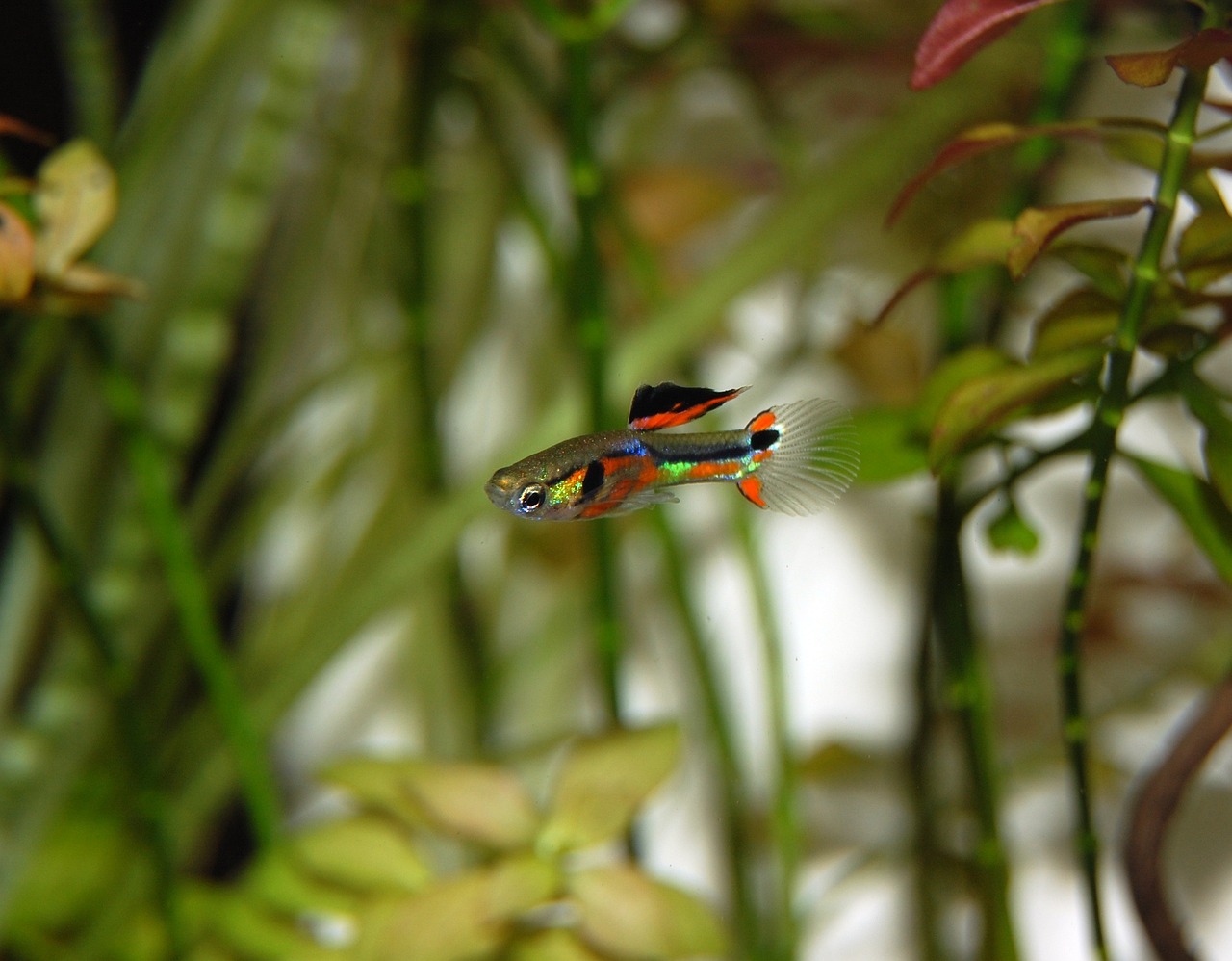
Cobra guppies show fine vermiculated body patterning that resembles a snake’s scale tracery, layered over base body colour and often extending into a finely barred caudal fin. Reliable cobra guppy strain genetics work begins with understanding the Y-linked nature of the cobra pattern, separating it cleanly from the related snakeskin trait, and structuring breeding pairs that hold pattern fidelity across generations. This guide from Gensou Aquascaping at 5 Everton Park draws on long-running cobra projects with two Singapore breeders and on grow-out data from the king cobra and red cobra lines we maintain in-house for clients building display setups at home. This guide sits inside our broader Tropical Fish Species Master Index reference.
Y-Linked Inheritance and Its Consequences
The cobra pattern is carried predominantly on the Y chromosome, so it passes father to son rather than via the dam. This makes male phenotype a direct readout of his sire’s pattern quality and lets you predict son-from-father results with reasonable accuracy. Females do not show the pattern visually but contribute autosomal modifiers that affect intensity, contrast and background colour. Misjudging female contribution is the single biggest cause of inconsistent F1 results in cobra projects.
Cobra Versus Snakeskin Distinction
Snakeskin shows a chain-link or rosette pattern across the body, while cobra shows finer parallel vermiculations. The two traits sit at related Y-linked loci and can interact, producing intermediate fish that confuse breeders. Pure cobra has consistent fineness from gill cover to peduncle. Pure snakeskin has discrete rosettes. Intermediates have one or the other interrupted by smudges. Show-grade work demands one or the other, not both.
Common Cobra Subtypes
King cobra (silver base with dark vermiculation), red cobra (red anterior with patterned body), green cobra (metallic green base), and yellow cobra (yellow base with darker tracery). Each subtype combines the cobra Y-linked pattern with autosomal background colour genes. The interactions are well documented in our guppy genetics colour selective breeding piece. Mixed subtypes in a single tank produce muddy F1 generations within two cycles.
Pattern Fidelity Markers
Look for fine, evenly spaced vermiculations from gill cover to caudal peduncle, extending into the dorsal and ideally into the caudal fin as faint barring. The pattern should hold under both daylight and aquarium LED lighting. Faint or interrupted patterning, smudged sections behind the dorsal, and lost caudal extension all warrant culling. Track pattern fidelity by photographing every cull-grade male at week eight against a neutral white background.
Outcrossing Without Losing Fineness
Cobra lines lose pattern fineness within three to four generations of straight inbreeding. Outcross to a cobra line of the same subtype but different lineage every fourth generation. Cross to snakeskin only if you accept years of work to clean up intermediate phenotypes. Cross to non-patterned lines only as the start of an entirely new project.
Female Selection and Test Crossing
Because females do not show cobra visually, selection happens by tracking which females produce the best sons. Maintain individual female records: pair her, raise the brood, score the sons at eight weeks, and either retain or cull the female on results. Females from highest-scoring brothers tend to throw stronger sons but verify with test crosses; sometimes the autosomal modifiers do not transfer as expected.
Water Conditions and Diet
Slightly hard, alkaline water at GH 8 to 12 and pH 7.4 to 7.8 supports the deepest pattern contrast. Singapore PUB tap requires remineralisation; crushed coral substrate or measured calcium chloride dosing both work. Diet emphasises live brine, frozen daphnia and quality colour-enhancing flake. Carotenoid intake supports background red and yellow but not the dark vermiculation, which is melanin-driven and benefits from steady amino acid intake.
Spawning Setup and Fry Management
One trio per 30 to 45 litre breeding tank with java moss or guppy grass refuge. Drop females into individual gravid tanks two weeks before parturition to enable record-keeping. Pull fry by trio so you can track which female produced which brood. Sex by week six and start pattern grading by week eight. Reference our how to raise fish fry guide for general fry-rearing pacing.
Singapore Show Standards and Judging
Aquarama and local livebearer shows reward pattern fineness and continuity over body length or fin extravagance. A king cobra male at 4 cm body length with edge-to-edge vermiculation and clean caudal barring scores higher than a 5 cm fish with patchy pattern. Judges occasionally use a hand lens to assess vermiculation fineness, so train your eye accordingly during selection.
Sourcing and Long-Term Project Management
Singapore cobra foundation stock circulates through breeder Telegram groups, Carousell listings and the occasional Aquarama booth. Quality pairs run $30 to $80, proven show breeders $150 and up. Avoid bulk fish-shop purchases where lineage is unknown. Run three lines simultaneously (king, red, and a backup outcross), maintain photographic records of every retained male, and you will produce a recognisable Singapore-bred cobra strain within four years. The discipline mirrors the project frame in betta line breeding colour project; the genetics differ but the record-keeping is identical.
Related Reading



