
Uaru Cichlid Care Guide: The Triangle Cichlid
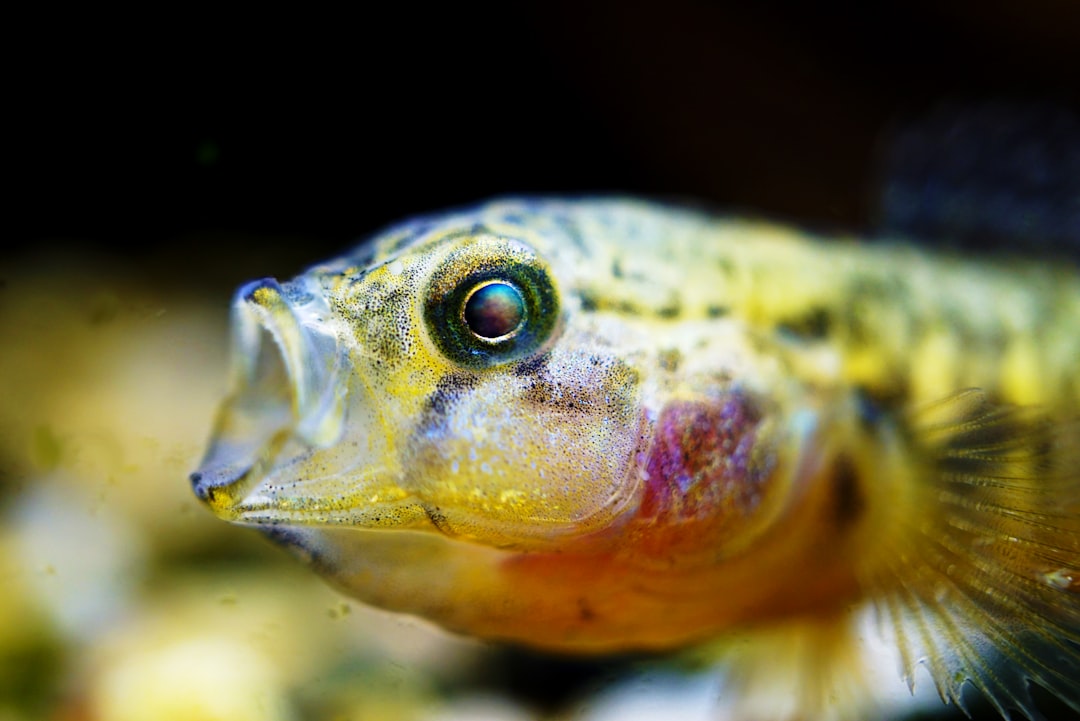
This uaru cichlid care guide introduces a large, intelligent South American species that remains relatively uncommon in Singapore’s aquarium hobby. At Gensou Aquascaping, 5 Everton Park, we regard the uaru as one of the most personable cichlids available, capable of recognising its keeper and displaying complex social behaviour.
Species Overview and Origin
The uaru cichlid (Uaru amphiacanthoides) is native to the blackwater tributaries of the Amazon basin, particularly in Brazil and Guyana. Its common name, the triangle cichlid, refers to the distinctive dark triangular patch on its flank. Adults reach 25 to 30 centimetres and develop a deep, laterally compressed body shape reminiscent of discus. Juveniles sport an attractive mottled pattern that fades as they mature into a more uniform olive-brown with the characteristic dark marking. Their large, expressive eyes and deliberate movements give them a regal presence in any tank.
Tank Size and Setup
Uaru cichlids need generous space. A minimum of 400 litres is recommended for a pair, with 600 litres or more preferred for a small group. They are active swimmers and appreciate a spacious footprint with open swimming areas. Decorate with large pieces of driftwood, smooth boulders and robust plants. Be aware that uarus are enthusiastic plant eaters and will decimate soft-leaved species. Stick to tough plants such as Anubias, Java fern and Bolbitis attached to hardscape, or consider a primarily hardscape-focused layout. A sandy substrate allows natural foraging behaviour.
Water Parameters
Uarus originate from soft, acidic water and perform best with a pH of 5.0 to 7.0, temperature of 26 to 30 degrees Celsius and hardness below 10 dGH. Singapore’s tap water is relatively soft, which is an advantage, though you may need to further lower pH using peat filtration, driftwood tannins or reverse-osmosis water. Ammonia and nitrite must remain at zero, with nitrate kept below 20 parts per million. Weekly water changes of 30 to 40 per cent are essential given the species’ sensitivity to dissolved organics. Powerful filtration with a high biological media capacity is non-negotiable.
Diet and Nutrition
Uaru cichlids are primarily herbivorous, which sets them apart from many other large cichlids. Their diet should centre on vegetable-based foods such as blanched spinach, lettuce, zucchini, peas and spirulina-based pellets or flakes. Supplement with occasional protein sources like frozen bloodworms or brine shrimp, but keep these to no more than 20 per cent of overall intake. A fibre-rich diet supports healthy digestion and helps prevent bloat, a condition to which uarus are susceptible. Feed two to three times daily in moderate portions.
Behaviour and Social Dynamics
Uarus are social fish that do best in groups of four or more. They establish a loose hierarchy and engage in frequent communication through body posture and colour changes. When stressed or submissive, their colouration darkens noticeably. They are generally peaceful by cichlid standards but may squabble among themselves during feeding or when establishing rank. Providing multiple feeding stations and sight-line breaks reduces conflict. Their intelligence means they quickly learn to associate their keeper with food and may swim to the front of the tank at feeding time.
Compatible Tankmates
Good companions for uaru cichlids include discus, Geophagus species, larger tetras such as Congo tetras, and peaceful catfish like Corydoras and Ancistrus. Avoid aggressive or territorial species that could intimidate uarus, as prolonged stress leads to colour loss and poor health. Silver dollars make natural companions, sharing similar dietary preferences and water requirements. When planning a community around uarus, prioritise calm species that tolerate warm, acidic water.
Breeding Uaru Cichlids
Breeding uarus in captivity is challenging but achievable. They are open-substrate spawners that form monogamous pairs. A bonded pair cleans a flat surface, typically a broad rock, and the female deposits several hundred eggs. Both parents guard the clutch aggressively. After hatching, the fry feed on a mucus secretion from the parents’ skin, much like discus. This parental feeding phase is critical, and disturbance during this period can cause the parents to consume the fry. Raising uaru fry demands patience, stable water conditions and a dedicated breeding tank.
Health and Common Problems
Uarus are sensitive to poor water quality and dietary imbalance. Bloat caused by excessive protein or constipation from low-fibre diets is a frequent concern. Hole-in-the-head disease may develop under suboptimal mineral and vitamin intake. Ich and skin flukes can affect stressed individuals, particularly after transport or introduction to a new tank. Quarantine all new specimens for at least two weeks and transition them gradually to your water parameters. For guidance tailored to Singapore’s conditions, visit Gensou Aquascaping at 5 Everton Park, where our team can advise on sourcing, acclimatisation and long-term care.
Related Reading



