
Vampire Crab Care Guide: The Jewel of Paludariums
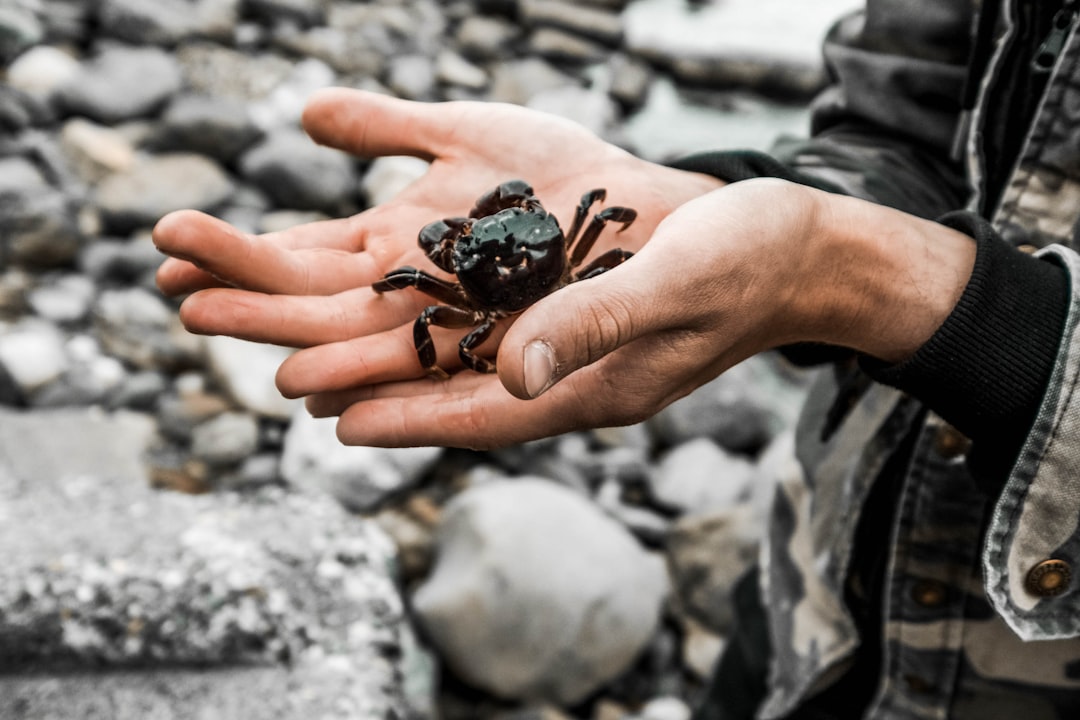
Vampire crabs (Geosesarma spp.) are among the most visually striking invertebrates in the freshwater hobby. With their vivid purple, orange and yellow colouration, piercing eyes and compact size, they look like living jewels — and they have fuelled a surge of interest in paludarium keeping across Singapore. Unlike most crabs sold for aquariums, vampire crabs are semi-terrestrial, spending the majority of their time on land. This fundamental difference shapes every aspect of their care. This guide sits inside our broader Tropical Fish Species Master Index reference.
This vampire crab care guide covers paludarium design, feeding, breeding and why Singapore’s tropical climate makes keeping these remarkable crabs surprisingly straightforward.
Table of Contents
Species Overview
| Attribute | Detail |
|---|---|
| Genus | Geosesarma |
| Origin | Southeast Asia (Java, Sulawesi, Borneo, surrounding islands) |
| Adult Size | 2–3 cm (body/carapace width) |
| Lifespan | 2–3 years |
| Habitat | Semi-terrestrial; needs both land and water |
| Temperament | Shy, nocturnal, mildly territorial |
| Diet | Omnivore |
| Minimum Enclosure | 30 litres paludarium |
Popular Geosesarma Species
Several Geosesarma species are available in the Singapore hobby. The most commonly encountered include:
| Species / Trade Name | Colour | Notes |
|---|---|---|
| G. dennerle — Vampire Crab | Purple body, orange eyes | The original “vampire crab”; most widely available |
| G. hagen — Red Devil Crab | Bright orange body, yellow eyes | Striking warm tones; often sold alongside G. dennerle |
| G. bicolor | Dark purple with cream claws | Subtler colouration; hardy |
| Tangerine Vampire Crab | Deep tangerine-orange | Trade name; exact species sometimes unclear |
All Geosesarma species share the same fundamental care requirements, so this guide applies broadly regardless of which species you keep.
Paludarium Setup
This is the most critical section of the guide. Vampire crabs cannot be kept in a standard aquarium. They are semi-terrestrial animals that spend 70–80% of their time on land. A paludarium — an enclosure with both land and water sections — is essential.
Land-to-Water Ratio
Aim for approximately 70% land and 30% water by floor area. The water section should be shallow (5–10 cm deep) with easy access ramps so crabs can move between zones freely.
Building the Land Section
- Substrate: Coconut fibre (coco peat) mixed with sphagnum moss creates a moisture-retentive, naturalistic base. Layer 5–8 cm deep.
- Hardscape: Cork bark, driftwood and rocks create elevated platforms, caves and hiding spots. Vampire crabs are nocturnal and need multiple hiding places to feel secure.
- Live plants: Tropical plants like ferns, mosses, Fittonia, Selaginella and small bromeliads thrive in paludarium conditions and help maintain humidity. Epiphytes mounted on cork bark are excellent.
- Leaf litter: Dried Indian almond leaves or oak leaves on the substrate provide hiding spots and a natural food source as they decompose.
Building the Water Section
- Depth: 5–10 cm is sufficient. Vampire crabs are not strong swimmers.
- Substrate: Fine gravel or sand.
- Filtration: A small sponge filter or internal filter keeps the water clean without creating strong current.
- Plants: Java moss, Anubias nana and floating plants work well in the shallow water zone.
- Access: Ensure crabs can easily climb out of the water. Sloped hardscape, cork bark ramps or aquarium-safe mesh provide exit points.
For a professionally designed paludarium tailored to vampire crabs, explore our custom aquarium and paludarium service. For more information on paludarium design principles, see our paludarium setup guide.
Water and Humidity
Water Parameters
| Parameter | Range | SG Notes |
|---|---|---|
| Temperature | 24–30 °C | Singapore’s 28–32 °C ambient is ideal; no heater needed |
| pH | 7.0–8.0 | Slightly alkaline; crushed coral in the water section helps |
| GH | 4–16 dGH | Moderate to hard; calcium is important for shell health |
| KH | 3–10 dKH | Moderate buffering |
Treat all water with a conditioner that neutralises chloramine — PUB’s standard disinfection method. Change the water section weekly (50–70%) to prevent stagnation and ammonia build-up in the small volume.
Humidity
Vampire crabs need high humidity (75–85%) to remain healthy and moult successfully. In Singapore, this is largely taken care of by our naturally humid climate. However, enclosed paludariums with glass or acrylic lids retain moisture far better than open-top setups.
- Use a glass lid or tightly fitted mesh top to retain humidity.
- Mist the land section daily if humidity drops below 70%.
- Live plants, damp substrate and the water section all contribute to ambient humidity within the enclosure.
- A small hygrometer inside the paludarium helps monitor conditions.
Singapore’s typical indoor humidity of 60–80% means that a covered paludarium will maintain appropriate levels with minimal intervention.
Feeding
Vampire crabs are opportunistic omnivores with a varied appetite. In the wild, they scavenge on fallen fruit, decomposing plant matter, small insects and anything else they encounter on the forest floor.
Recommended Foods
- High-quality sinking pellets — shrimp pellets, crab-specific food or bottom-feeder tablets
- Blanched vegetables — spinach, courgette (zucchini), carrot, sweet potato
- Protein sources — freeze-dried bloodworms, small crickets, dried shrimp, fish flakes
- Calcium supplements — cuttlebone pieces placed on the land section; essential for healthy moulting
- Fruit — small pieces of banana, apple or mango offered occasionally
- Leaf litter — decomposing Indian almond leaves are grazed upon naturally
Feed small amounts every one to two days. Remove uneaten food within 24 hours to prevent mould in the humid environment. Place food on the land section, not in the water — vampire crabs prefer to eat on solid ground.
Behaviour and Group Keeping
Vampire crabs are shy and primarily nocturnal. During the day, they retreat to caves, under bark and within leaf litter. At night, they emerge to explore, feed and interact. Providing dim ambient lighting or observing with a red torch reveals their active night-time behaviour.
Group Dynamics
Vampire crabs can be kept in small groups. A paludarium of 30–40 litres comfortably houses a group of four to six crabs. Males can be mildly territorial, so ensure plenty of hiding spots to reduce conflict. Multiple caves, bark shelters and elevated platforms allow each crab to establish a territory without constant confrontation.
Signs of stress include persistent hiding, loss of limb tips (from fighting) and refusal to eat. If aggression is an issue, add more hiding spots or reduce the group size.
Moulting
Like all crustaceans, vampire crabs periodically moult — shedding their exoskeleton to grow. During and immediately after moulting, crabs are soft and vulnerable. Ensure:
- Adequate hiding places for moulting crabs to retreat to.
- Calcium-rich food and cuttlebone are always available to support shell hardening.
- The old exoskeleton is left in the enclosure — crabs often eat it to reclaim minerals.
Breeding
One of the most remarkable aspects of vampire crabs is their direct development. Unlike many crab species that release larvae into water, Geosesarma females carry their eggs beneath their abdominal flap and release fully formed miniature crabs — no larval stage required.
Breeding Process
- Mating occurs on land. Males mount females from behind.
- Females carry 20–80 fertilised eggs tucked under their abdomen for several weeks.
- Eggs develop directly into miniature crabs without passing through a planktonic larval phase.
- Fully formed baby crabs (1–2 mm) are released and immediately begin exploring the land section.
Raising Offspring
Baby crabs are independent from birth but extremely small. In a well-planted paludarium with ample leaf litter and hiding spots, some survive alongside adults. For higher survival rates, remove babies to a small, separate paludarium with damp moss, shallow water and powdered food. Cannibalism is possible in crowded conditions, so providing cover is essential.
Tank Mates
The straightforward recommendation is: keep vampire crabs in a species-only setup.
Why Species-Only?
- Vampire crabs are small and can be harmed by fish, even small ones, in the water section.
- They may catch and eat very small fish or shrimp that venture into shallow water.
- Mixing crab species can lead to aggression and hybridisation.
- The semi-terrestrial habitat limits the water volume available for fish, making water quality harder to manage with additional bioload.
Some hobbyists successfully keep small, peaceful fish (such as endlers or microrasboras) in the water section, but this adds complexity and risk. Snails like nerites can coexist in the water section without issues.
Frequently Asked Questions
Can I keep vampire crabs in a fully aquatic tank?
No. Vampire crabs are semi-terrestrial and will drown if denied access to land. They must have a land area that comprises at least 60–70% of the enclosure. A fully aquatic setup is unsuitable and will result in stress and death.
Will vampire crabs escape from a paludarium?
They are skilled climbers and will explore every surface, including glass corners, silicone seams and equipment. A secure lid is essential. Block any gaps around filter tubing or wiring with foam. If an escape route exists, they will find it — particularly at night when they are most active.
Do vampire crabs need a heat lamp or UVB?
No. Singapore’s ambient temperature of 28–32 °C falls within their ideal range, and they do not require UVB lighting. They are nocturnal and prefer dim conditions. Standard aquarium lighting for live plants is sufficient; bright, hot lighting should be avoided.
How do I sex vampire crabs?
Gently turn the crab over and examine the abdominal flap (the “apron”) on the underside. Males have a narrow, pointed flap. Females have a wide, rounded flap — designed to hold eggs. This distinction is visible in sub-adult and adult crabs. Handle briefly and gently over the paludarium to avoid injury from drops.
Build Your Vampire Crab Paludarium
Vampire crabs offer something genuinely different in the aquarium hobby — a small, colourful, semi-terrestrial animal that rewards thoughtful paludarium design with fascinating behaviour and surprisingly easy breeding. For Singapore hobbyists, our warm, humid climate is a natural advantage that eliminates the need for heating and simplifies humidity management.
Whether you are building your first paludarium or adding vampire crabs to an existing setup, visit us at 5 Everton Park for advice, supplies and inspiration. With over 20 years of aquascaping experience, we can help you create a paludarium that is both a stunning display and a thriving habitat for these remarkable crabs.
Related Reading
- Bamboo Shrimp vs Vampire Shrimp: Filter Feeder Comparison
- Pom Pom Crab Care Guide: Freshwater Ptychognathus in Nano Tanks
- Red Claw Crab Care Guide: A Brackish Paludarium Favourite
- Red Devil Crab Geosesarma Care Guide: Paludarium Crabs
- Thai Micro Crab Breeding Guide: Limnopilos Naiyanetri Reproduction



