
Ricefish Varieties Guide: Platinum, Lame, Sparkle and More
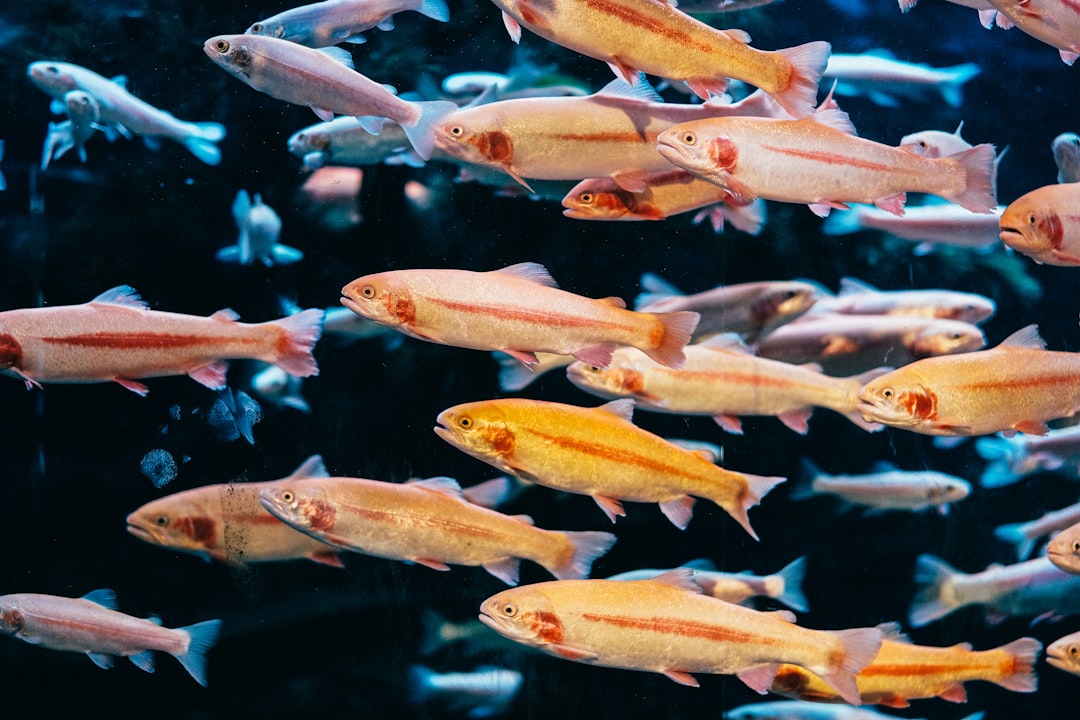
Medaka ricefish (Oryzias latipes) have been kept in Japan for over 400 years, but it is only in the last decade that the explosion of selectively bred colour varieties has captured the attention of hobbyists worldwide — including a rapidly growing scene here in Singapore. From the classic orange himedaka to the dazzling metallic lame and the multi-hued daisy, today’s medaka varieties are a far cry from the humble wild-type rice paddy fish.
This ricefish varieties guide covers the most popular colour morphs and body types, explains what makes each one special, and offers practical advice on breeding, keeping and sourcing these charming fish in Singapore.
Table of Contents
Why Ricefish Are Gaining Popularity
Medaka ricefish tick nearly every box for tropical fishkeepers:
- Hardy — tolerant of a wide temperature range, including Singapore’s ambient 28–32 °C
- Small — adults reach 3–4 cm, suitable for nano tanks and outdoor containers
- Peaceful — community-friendly and non-aggressive
- Easy to breed — prolific spawners that deposit eggs on plants daily
- Diverse — hundreds of selectively bred varieties available
- Outdoor-friendly — thrive in tubs, container ponds and balcony setups
In Japan, medaka keeping is a national hobby with dedicated shows, specialist breeders and new varieties commanding premium prices. Singapore’s tropical climate makes outdoor medaka keeping effortless, and local interest has surged in recent years. For a complete overview of basic medaka husbandry, see our medaka ricefish care guide.
Colour Varieties
The diversity of medaka colour morphs is staggering. Here are the varieties most commonly encountered and sought after in Singapore:
| Variety | Colour Description | Availability in SG |
|---|---|---|
| Himedaka (Orange) | Solid warm orange; the classic variety | Very common |
| Platinum / Miyuki | Silvery-white with metallic sheen along the spine | Common |
| Lame (Metallic) | Scattered reflective scales across the body like sequins | Moderate |
| Sparkle / Full Lame | Dense metallic coverage; entire body glitters | Less common; premium |
| Blue | Pale blue-grey body; subtle and elegant | Moderate |
| Black | Deep melanistic colouring; striking in outdoor tubs | Moderate |
| Albino | Translucent body, red eyes; delicate appearance | Less common |
| Daisy / Multicolour | Mixed patches of orange, white and dark; each fish unique | Less common; sought after |
| Youkihi | Intense red-orange; deeper than himedaka | Moderate |
Himedaka (Orange)
The gateway medaka. Himedaka are the most affordable and widely available variety in Singapore. Their warm orange colouration is best appreciated from above in an outdoor tub — the traditional Japanese viewing angle. Despite being the “basic” variety, a school of himedaka in a planted container is genuinely beautiful.
Platinum / Miyuki
Platinum medaka (also called Miyuki in higher-grade forms) display a brilliant metallic silver-white sheen running along the dorsal ridge. The best specimens appear to glow under sunlight. Miyuki grading ranges from “weak” (partial sheen) to “full body” (metallic coverage from head to tail). Full-body Miyuki command significantly higher prices.
Lame and Sparkle
Lame (pronounced “lah-may,” from the French fabric term) refers to scattered reflective, iridescent scales across the body. These scales catch light like tiny mirrors. “Sparkle” or “full lame” describes fish where the metallic scaling covers most or all of the body — an intensely glittering effect.
Lame can appear on any base colour, creating combinations like orange lame, black lame and blue lame. These cross-combinations are among the most visually striking medaka available.
Blue Medaka
Blue medaka have a subtle, understated charm. Their pale blue-grey bodies look ethereal in shaded outdoor containers. They are less flashy than platinum or lame varieties but appeal to hobbyists who appreciate restraint.
Black Medaka
Melanistic medaka with deep black colouration are dramatic when viewed against a light-coloured substrate or in a green, planted container. Some strains maintain their dark colouring consistently, while others lighten in certain conditions.
Daisy / Multicolour
Daisy medaka display irregular patches of two or more colours — typically orange, white and dark markings. No two fish look exactly alike, which gives a school of daisy medaka a lively, unpredictable aesthetic. This variety is popular with hobbyists who enjoy the element of surprise in each spawn.
Albino
True albino medaka have translucent bodies and red eyes. They are more light-sensitive than pigmented varieties and benefit from shaded conditions. Their ghostly appearance is a conversation starter, though they require slightly more careful management to prevent sunburn in outdoor setups.
Body Types and Fin Variations
Beyond colour, medaka breeders have developed distinct body and fin types:
- Normal body — the standard medaka shape; streamlined and active.
- Long-fin (Hirenaga) — extended dorsal, anal and caudal fins that trail elegantly. Best viewed from above. Long-fin fish are slightly less agile and may need gentler flow.
- Short-body (Daruma) — a compressed, rounded body shape that gives the fish a chunky, almost egg-like profile. Daruma medaka are endearing but can have swim bladder issues due to the compressed spine. They require warmer water (28–30 °C suits them perfectly in Singapore).
- Semi-Daruma (Han-Daruma) — a moderate compression between normal and full Daruma; more robust and easier to keep.
Colour varieties can be combined with any body type, creating a matrix of possibilities — for example, a platinum long-fin, an orange Daruma, or a black sparkle semi-Daruma.
Outdoor Tub Keeping in Singapore
One of the greatest advantages of keeping medaka in Singapore is the ability to maintain them outdoors year-round. Singapore’s consistent tropical temperatures (28–32 °C) eliminate the need for heaters, and natural sunlight promotes vibrant colouration and healthy algae growth for grazing.
Setting Up an Outdoor Medaka Tub
- Choose a container — glazed ceramic pots, plastic tubs (40–80 litres) or purpose-built medaka bowls. Darker containers show off fish colours better.
- Add substrate — a thin layer of aquasoil or fine gravel. Some keepers use bare-bottom tubs for easy cleaning.
- Plant it — floating plants (Salvinia, frogbit) provide shade and spawning surfaces. Submerged plants (Hornwort, Java moss) offer fry cover.
- Position wisely — partial shade is ideal. Full sun all day raises temperatures too high and promotes excessive algae. HDB corridors, sheltered balconies and covered patios work well.
- Cycle the water — treat PUB tap water with a chloramine-neutralising conditioner and allow beneficial bacteria to establish before adding fish.
- Add medaka — start with 6–10 fish per 40-litre container.
Maintenance
Outdoor tubs are low-maintenance once established. Top up evaporated water with treated tap water, remove debris and perform partial water changes fortnightly. Mosquito control is built in — medaka eagerly eat mosquito larvae, a practical bonus in Singapore.
Breeding for Colour
Selective breeding is central to the medaka hobby. Here are the principles for maintaining and improving colour lines:
- Line breed — keep each colour variety separate to prevent muddying the genetics. A mixed tub of platinum and orange will produce unremarkable offspring.
- Select the best — cull or separate fish that do not meet the colour standard. “Culling” in medaka keeping typically means rehoming rather than euthanising.
- Collect eggs regularly — females carry grape-like egg clusters attached to their ventral fins before depositing them on plants. Collect eggs on spawning mops or plant cuttings and hatch them separately for higher survival rates.
- Hatch in small containers — eggs hatch in 7–14 days depending on temperature. At Singapore’s ambient 30 °C, hatching is faster. Feed fry powdered food or infusoria for the first week, then crushed flake.
- Grade fry at 4–6 weeks — colour and pattern begin to show. Separate the best specimens for your breeding line.
The Japanese medaka community grades fish meticulously, and this discipline is what produces the stunning specimens seen at shows. Even casual hobbyists can improve their lines significantly by following basic selection principles over a few generations.
General Care Reminders
| Parameter | Range | Notes |
|---|---|---|
| Temperature | 15–32 °C | Singapore ambient is ideal; no heater or chiller needed |
| pH | 6.5–8.0 | Flexible; SG tap water is generally fine |
| GH | 4–15 dGH | Moderate; tolerates harder water than most nano fish |
| Diet | Omnivore | Crushed flake, micro pellets, baby brine shrimp, mosquito larvae |
| Group Size | 6+ | Schooling fish; more is better |
Treat all water with a conditioner that neutralises chloramine — standard in PUB-treated supply. For detailed care instructions, revisit our medaka ricefish care guide.
Where to Buy Ricefish in Singapore
The medaka scene in Singapore is growing rapidly. Here are your main sourcing options:
- Specialist aquarium shops — an increasing number of Singapore fish shops now carry named medaka varieties. Availability varies, so call ahead.
- Online hobbyist groups — Facebook groups and Carousell listings are active marketplaces for medaka in Singapore. Local breeders frequently post availability of specific varieties.
- Hobbyist meets and swaps — the SG medaka community organises occasional meet-ups where breeders exchange fish and eggs.
- Our shop — visit our online shop or come to 5 Everton Park to see what varieties we currently have in stock.
When buying, ask about the lineage and how many generations the breeder has maintained the strain. Well-established lines produce more consistent offspring than first-generation crosses.
Frequently Asked Questions
What is the most beginner-friendly medaka variety?
Himedaka (orange) and platinum are the hardiest and most affordable starting points. They breed readily, display good colour without demanding specific conditions, and are widely available in Singapore. Master basic medaka keeping with these before investing in rarer varieties.
Can I mix different medaka varieties in one tub?
You can keep different varieties together for display, but if you want to maintain colour lines, you must separate them for breeding. Mixed spawning produces unpredictable results — usually dull, wild-type-coloured offspring within a few generations.
How much do rare medaka varieties cost in Singapore?
Prices vary enormously. Common varieties like himedaka cost a few dollars per fish. High-grade Miyuki, sparkle and Daruma forms can range from $15 to over $50 per fish, depending on quality and source. Show-quality specimens from established Japanese lines can command even higher prices.
Will medaka survive outdoors during Singapore’s heavy rain?
Yes, provided the container has adequate drainage or overflow to prevent flooding and washing fish out. Position tubs under partial shelter — HDB corridors and covered balconies are ideal. Heavy rain dilutes water parameters temporarily, but medaka are adaptable enough to handle this. Avoid placing tubs in locations where they receive direct runoff from gutters or rooftops.
Start Your Medaka Collection
The medaka ricefish hobby offers something for everyone — from the casual keeper who enjoys a tub of himedaka on the balcony to the serious breeder chasing the perfect full-body Miyuki. Singapore’s warm climate, compact living spaces (perfect for container keeping) and growing hobbyist community make it one of the best places in the world to explore this fascinating fish.
If you would like help getting started with medaka or are looking for specific varieties, contact our team at 5 Everton Park. With over 20 years in the aquascaping business, we can help you set up a medaka station that fits your space and ambitions.
Related Reading
- Ricefish Medaka Colour Varieties: Platinum, Orange and Lame Scale
- Harlequin Rasbora Colour Varieties: Classic, Purple and Black
- Mystery Snail Colour Varieties: Gold, Blue, Magenta and Ivory
- Ricefish Medaka Care Guide: Hardy Japanese Nano Fish
- White Cloud Mountain Minnow Colour Varieties: Gold, Long-Fin and Meteor



