Walstad Method Aquascape Step by Step: Dirt and Sunlight Tank
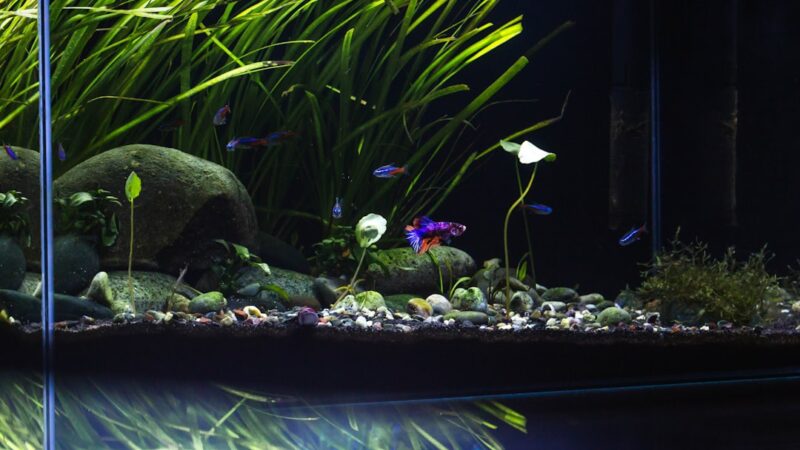
Diana Walstad’s method proves that thriving planted tanks need not cost a fortune in equipment. Organic soil, a gravel cap, strong lighting, and patience — that is essentially the recipe. This Walstad method aquascape step by step guide walks you through the entire process, from choosing dirt to adding your first fish. At Gensou Aquascaping in Singapore, we maintain a Walstad demonstration tank at our 5 Everton Park studio that has been running for over three years with minimal intervention. This guide sits inside our broader Planted Tank Complete Hub reference.
Step 1: Choose Your Soil
Use organic potting soil free from perlite, vermiculite, and added fertilisers. Check the ingredient list — you want decomposed plant matter, not slow-release chemical granules. In Singapore, Horti brand organic soil from local nurseries works well and costs under $5 for a 5-litre bag. Sift the soil through a coarse kitchen sieve to remove sticks and large debris. You need roughly 2.5-3 cm of soil for the bottom layer.
Step 2: Prepare and Cap the Soil
Spread the sifted soil evenly across the tank bottom. Some hobbyists moisten the soil slightly before adding it — this helps it settle and reduces floating particles. Cap the soil with 3-4 cm of fine gravel or coarse sand (1-3 mm grain). The cap prevents soil from clouding the water every time a fish disturbs the substrate. Press down gently with a flat tool to compact the layers. Total substrate depth should be 5.5-7 cm.
Step 3: Plant Heavily From Day One
Walstad tanks succeed because plants outcompete algae for nutrients. Plant at least 70-80 % of the substrate area immediately. Fast-growing stems like Hygrophila polysperma, Ceratophyllum demersum, and Vallisneria spiralis absorb the ammonia spike that soil releases in the first weeks. Add floating plants — Salvinia minima or Limnobium laevigatum — to soak up excess nutrients and diffuse light. You can thin them later once the tank stabilises.
Step 4: Lighting Setup
Walstad’s original method endorses natural sunlight near a bright window. In Singapore’s climate, a west-facing window provides strong afternoon light without the midday heat spike. If natural light is impractical, a standard LED fixture running 8-10 hours daily at moderate intensity (40-50 PAR at substrate level) works as a substitute. Avoid intense high-tech lighting — without CO2 injection, excess light feeds algae faster than plants can compete.
Step 5: Fill and Cycle
Fill the tank slowly by pouring water onto a plate or plastic bag resting on the substrate to avoid disturbing the soil cap. Expect slight cloudiness for the first 24-48 hours — this is normal. The soil releases ammonia during the first two to four weeks; a basic sponge filter provides gentle circulation without stripping CO2 that the soil generates. Test ammonia and nitrite every two days. Most Walstad tanks cycle faster than traditional setups because the soil itself hosts dense bacterial colonies.
Step 6: Add Livestock Gradually
Wait until ammonia and nitrite read zero on consecutive tests — typically three to four weeks after setup. Start with hardy species: Neocaridina shrimp, endlers, or white cloud mountain minnows. Stock lightly — one inch of fish per 5-6 litres is a safe Walstad guideline. The soil’s nutrient output decreases over time, and a lightly stocked tank maintains equilibrium far more reliably than an overstocked one.
Ongoing Maintenance
One of the Walstad method’s greatest appeals is its low maintenance. Perform small water changes of 10-15 % every two weeks rather than the 25-30 % weekly changes of high-tech tanks. Top up evaporated water with dechlorinated PUB tap water. Prune plants when they shade the lower levels excessively. You should not need to dose any liquid fertiliser — the soil provides macronutrients, and fish waste supplies the rest. Our Singapore demonstration tank receives about 20 minutes of attention per fortnight.
Troubleshooting Common Issues
Brown diatom algae in the first month is normal and clears on its own as the tank matures. Green water (free-floating algae bloom) usually means too much light relative to plant mass — add more floating plants or reduce the photoperiod by two hours. Hydrogen sulphide smell from the substrate indicates anaerobic pockets — poke the gravel cap gently with a chopstick in affected areas to release trapped gas. With patience, a Walstad method aquascape settles into a remarkably self-sustaining ecosystem that requires less effort than almost any other approach to the hobby.
Related Reading