
Wild Orinoco Angelfish Rio Atabapo Strain Guide: Pterophyllum Variant
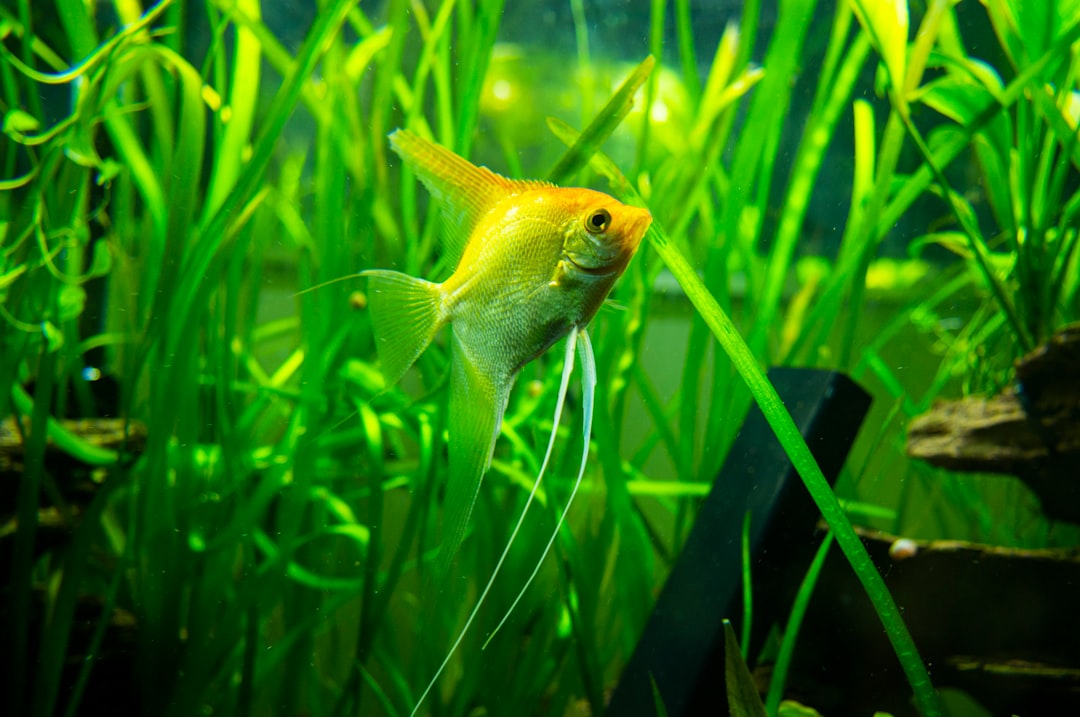
Most angelfish in Singapore tanks are descendants of decades of selective breeding, but the wild scalare from Rio Atabapo on the Venezuela-Colombia border still appears in occasional shipments. The wild orinoco angelfish is a distinct strain of Pterophyllum scalare rather than the rarer altum (P. altum), but it retains a wild colour pattern, a leaner body and far better resilience in soft acidic blackwater than commercial lines. This guide from Gensou Aquascaping at 5 Everton Park covers identification, husbandry, and how to find legitimate stock in a market full of mislabels.
Scalare vs Altum: Clearing the Confusion
The Atabapo wild form is P. scalare, not the true altum. Altums grow taller, show a deeper notch above the eye, and demand even more extreme water. Wild scalares from Rio Atabapo blackwater carry the species’ classic three-bar pattern with extended dorsal and anal fins, but the body retains a wild silver-bronze base instead of the muted greys of farmed stock. Vendors often blur the line — ask for the collection point in writing before paying.
Geographic Origin
Rio Atabapo runs blackwater from the Colombian-Venezuelan watershed into the Orinoco. Collectors work the seasonal floodplain pools where adults retreat during the dry season. Water there reads pH 4.0-5.0, GH below 1, and visibility under 30cm thanks to dissolved tannins. Captive husbandry doesn’t need to mimic those extremes exactly, but soft and acidic is non-negotiable.
Identification Markers
Wild Orinoco scalares show a slimmer body than commercial farmed angels, longer trailing fin extensions, and a clean bronze-silver base coat with crisp black vertical bars. Juveniles are easier to confuse — wait for adults at 12-15cm body length to show the distinct lean profile before committing to top-dollar prices.
Tank Size and Layout
Angels need vertical room. A 250-litre tank 60cm tall houses a group of six adult Orinoco wild scalares comfortably. Use sand substrate, dense vertical hardscape from driftwood and substrate, and tall plants like Vallisneria and Amazon swords to mimic submerged forest. Skip the busy iwagumi look — these fish need open vertical swim corridors.
Water Parameters
Target pH 5.5-6.5, GH 1-3, KH 0-1, and 28-30°C. PUB tap water needs softening with RODI cuts and tannin loading. Use Indian almond leaves, alder cones and peat moss in the canister to drive the amber tea look. The aquarium pump range covers canister sizing for soft-water tanks.
Diet
Wild Orinoco angels arrive picky. Start with live blackworm, frozen bloodworm and brine shrimp — they often refuse pellets for the first month. Once feeding consistently, transition to a high-protein cichlid pellet like the options in the fish food range. Feed twice daily; fast one day a week.
Tank Mates
Pair with other Amazon-tolerant species: cardinal tetras, rummynose tetras in groups of fifteen-plus, corydoras on the bottom, and Apistogramma in mid-water territory. Avoid fin-nippers like serpae tetras and avoid mixing wild Orinocos with commercial angels — temperament and water needs diverge too far.
Acclimation and Quarantine
Drip acclimate over 90 minutes minimum, dim the lights for 48 hours after introduction, and quarantine separately for at least three weeks. Treat prophylactically with Praziquantel for flukes and Levamisole for internal nematodes — wild South American imports almost always carry parasite loads that need clearing before display introduction.
Breeding Behaviour
Wild Orinocos pair-bond by selection from a group of six or more juveniles. A confirmed pair will defend a vertical surface — often a broad sword leaf or a tilted slate — and lay 200-400 eggs. Both parents fan and guard. Fry care continues for two weeks until free-swimming, when the parents lead them around the tank in a tight cloud.
Sourcing in Singapore
Iwarna brings wild Orinoco scalares in seasonally at SGD 60-180 depending on size and grade. A few specialist Carousell importers run direct shipments at slightly lower prices. Confirm wild origin with collection-point detail before paying — many sellers conflate F1 captive-bred with true wild stock.
Related Reading



