
Cherry Shrimp Care Guide: Complete Guide to Neocaridina
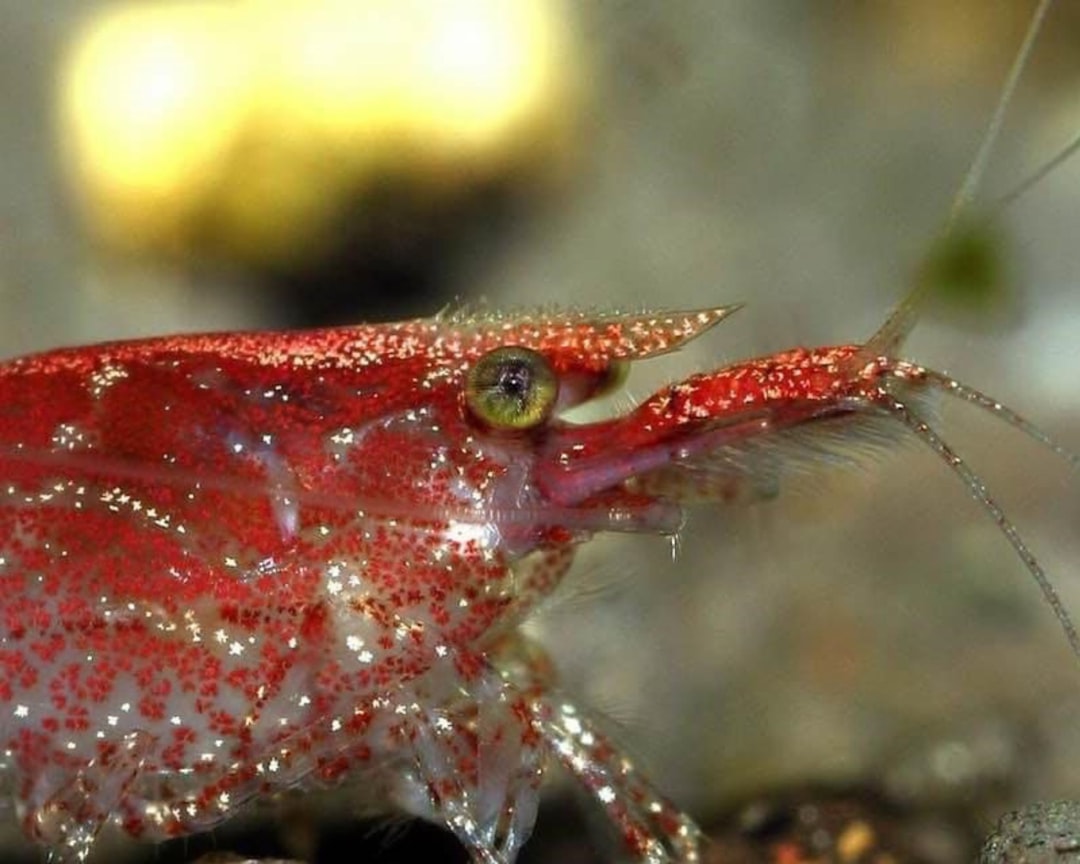
Cherry shrimp are one of the most popular freshwater invertebrates in the aquarium hobby, and for good reason. These vibrant little creatures are hardy, breed readily, and add a stunning pop of colour to any planted tank. If you are keeping aquariums in Singapore, you are in luck — our local water conditions are surprisingly well-suited for Neocaridina shrimp. This guide sits inside our broader Freshwater Aquarium Complete Beginner Hub reference.
In this guide, we cover everything you need to know about keeping cherry shrimp, from selecting the right colour grade to setting up a thriving colony in Singapore’s tropical climate.
What Are Cherry Shrimp?
Cherry shrimp (Neocaridina davidi) are small freshwater shrimp native to Taiwan. They belong to the Neocaridina genus, a group of hardy dwarf shrimp that have been selectively bred into dozens of colour varieties. The most common and widely available is the red cherry shrimp, though you will find blue, yellow, orange, green, and black variants in local fish shops across Singapore.
Adults typically reach 2.5 to 3 centimetres in length, with females being slightly larger and more intensely coloured than males. They are peaceful, entirely reef-safe with plants, and spend their days grazing on biofilm and algae — making them excellent clean-up crew members for planted tanks.
Cherry Shrimp Colour Grades Explained
Not all red cherry shrimp are created equal. Selective breeding has produced a grading system based on colour intensity and coverage. Understanding these grades helps you know what you are buying and what to breed towards.
Cherry Grade
The lowest grade, with translucent bodies showing patches of light red. These are the most affordable and a perfectly fine starting point for beginners.
Sakura Grade
More solid red colouration across the body, though some translucent patches remain, particularly on the legs and underside. A noticeable step up from cherry grade.
Fire Red Grade
Nearly complete red coverage with minimal translucency. Legs and antennae show red colouration. This is the grade most serious hobbyists aim for.
Painted Fire Red Grade
The highest grade, with completely opaque, deep red colouration across the entire body, including legs and underbelly. No translucency whatsoever. These command premium prices but produce stunning visual impact in a planted tank.
When purchasing shrimp, always ask about the grade. At our shop, we clearly label our shrimp grades so you know exactly what you are getting.
Ideal Water Parameters for Cherry Shrimp
One of the reasons Neocaridina shrimp are so popular is their wide tolerance for water conditions. Here are the ideal parameters:
- Temperature: 20-28 degrees Celsius (they tolerate up to 30 degrees Celsius)
- pH: 6.5-8.0
- GH: 6-12 dGH
- KH: 2-8 dKH
- TDS: 150-300 ppm
- Ammonia/Nitrite: 0 ppm
- Nitrate: Below 20 ppm
Singapore-Specific Water Considerations
Singapore’s PUB tap water typically comes out at a pH of around 7.0-8.0 with moderate hardness — which falls right within the comfort zone for Neocaridina shrimp. This is a significant advantage over keeping Caridina species, which require much softer, more acidic water.
However, there is one critical warning: Singapore’s tap water is treated with chloramine, not just chlorine. Chloramine does not gas off by simply leaving water out overnight the way chlorine does. You must use a water conditioner that specifically neutralises chloramine (such as Seachem Prime) every single time you do a water change. Skipping this step can wipe out an entire colony.
Our ambient room temperatures of 26-30 degrees Celsius are perfectly fine for Neocaridina. Unlike Caridina shrimp, cherry shrimp handle warm water well, so you do not need a chiller. If your room has air conditioning, the temperature swings are generally not drastic enough to cause problems, but avoid placing the tank directly under an AC vent.
Tank Setup for Cherry Shrimp
Cherry shrimp do not need large tanks. A 20-litre nano tank can comfortably house a starting colony of 10-15 shrimp. That said, larger tanks (40 litres and above) offer more stable water parameters and are more forgiving for beginners.
Substrate
For Neocaridina, you have flexibility. Inert substrates like sand or gravel work perfectly well since these shrimp do not require acidic, buffering substrates. If you plan to grow carpeting plants, an aquasoil works too, though be aware that it may lower your pH more than necessary.
Filtration
A sponge filter is the gold standard for shrimp tanks. It provides biological filtration without any risk of baby shrimp being sucked into the intake. If you prefer a hang-on-back or canister filter, cover the intake with a pre-filter sponge.
Plants and Hardscape
Plants are not strictly necessary, but they dramatically improve shrimp health and survival rates. Java moss, Christmas moss, and subwassertang are top choices because they provide hiding spots for baby shrimp and surfaces for biofilm to grow on. Anubias, Java fern, and Bucephalandra are also excellent low-maintenance options.
Driftwood is particularly beneficial as it develops biofilm that shrimp love to graze on. Looking for quality hardscape for your shrimp tank? Browse our hardscape collection.
Feeding Cherry Shrimp
Cherry shrimp are not fussy eaters. In a well-established planted tank with some algae and biofilm, they may not need supplemental feeding at all. However, for optimal colour and breeding, a varied diet helps.
- Staple foods: High-quality shrimp pellets or wafers (Shrimp King, Borneo Wild, GlasGarten)
- Protein: Blanched vegetables occasionally, freeze-dried bloodworms (sparingly)
- Supplements: Mineral supplements like Bacter AE to promote biofilm growth
- Natural grazing: Algae, biofilm on driftwood and plants, decaying plant matter
Feed small amounts every 1-2 days. If food remains uneaten after 2 hours, you are overfeeding. Excess food degrades water quality, which is far more dangerous than slight underfeeding.
Breeding Cherry Shrimp
This is where cherry shrimp truly shine compared to species like Amano shrimp. Neocaridina breed readily in freshwater with no special requirements. Amano shrimp larvae require brackish water to survive, making captive breeding extremely difficult. Cherry shrimp, on the other hand, will breed prolifically as long as conditions are stable.
How Breeding Works
Females carry eggs under their abdomen (called “berried” females) for approximately 28-35 days. The eggs hatch into miniature versions of the adults — there is no larval stage. Baby shrimp are fully independent from birth and will immediately begin grazing on biofilm.
Encouraging Breeding
- Maintain stable water parameters (consistency matters more than hitting perfect numbers)
- Keep a ratio of roughly 2-3 females per male
- Provide plenty of hiding spots with moss and plants
- Feed a varied, mineral-rich diet
- Avoid stressing the colony with large water changes (10-15% weekly is ideal)
In Singapore’s warm temperatures, cherry shrimp breed year-round. A colony of 10 shrimp can easily grow to over 100 within a few months.
Compatible Tank Mates
Cherry shrimp are tiny and defenceless. Choosing the right tank mates is critical to avoiding a very expensive fish snack.
Safe Tank Mates
- Other Neocaridina shrimp (same colour to avoid muddying genetics)
- Amano shrimp
- Small snails (Nerite, Ramshorn, Malaysian Trumpet Snails)
- Otocinclus catfish
- Small, peaceful rasboras (Chili rasboras, Boraras species)
Risky or Unsafe Tank Mates
- Betta fish (some are fine, many will hunt shrimp)
- Guppies and other livebearers (will eat baby shrimp)
- Any cichlid, including rams and apistos
- Gouramis
- Larger tetras
For the best breeding success, a species-only shrimp tank is always the safest option.
Common Problems and Solutions
Shrimp Deaths After Water Changes
Almost always caused by untreated chloramine in Singapore tap water, or too large a water change causing parameter swings. Use a dechlorinator and keep water changes to 10-15%.
Loss of Colour
Can indicate stress, poor diet, or low-grade genetics. Ensure stable parameters, feed mineral-rich foods, and selectively breed only the most intensely coloured individuals.
Failed Moults
Usually a mineral deficiency. Ensure your GH is at least 6 dGH. Adding a mineral supplement or cuttlebone can help.
Getting Started with Cherry Shrimp in Singapore
Cherry shrimp are genuinely one of the easiest and most rewarding creatures to keep in a Singapore aquarium. Our warm climate and suitable tap water give us a head start that hobbyists in temperate countries envy.
If you are looking to start a shrimp tank or add cherry shrimp to your existing planted setup, check out our online shop for shrimp, plants, and supplies. Need help designing a dedicated shrimp tank? Our custom aquascaping service can create the perfect setup for your space. Feel free to get in touch with any questions.



