
Java Moss Guide: Growing, Attaching and Aquascaping Uses
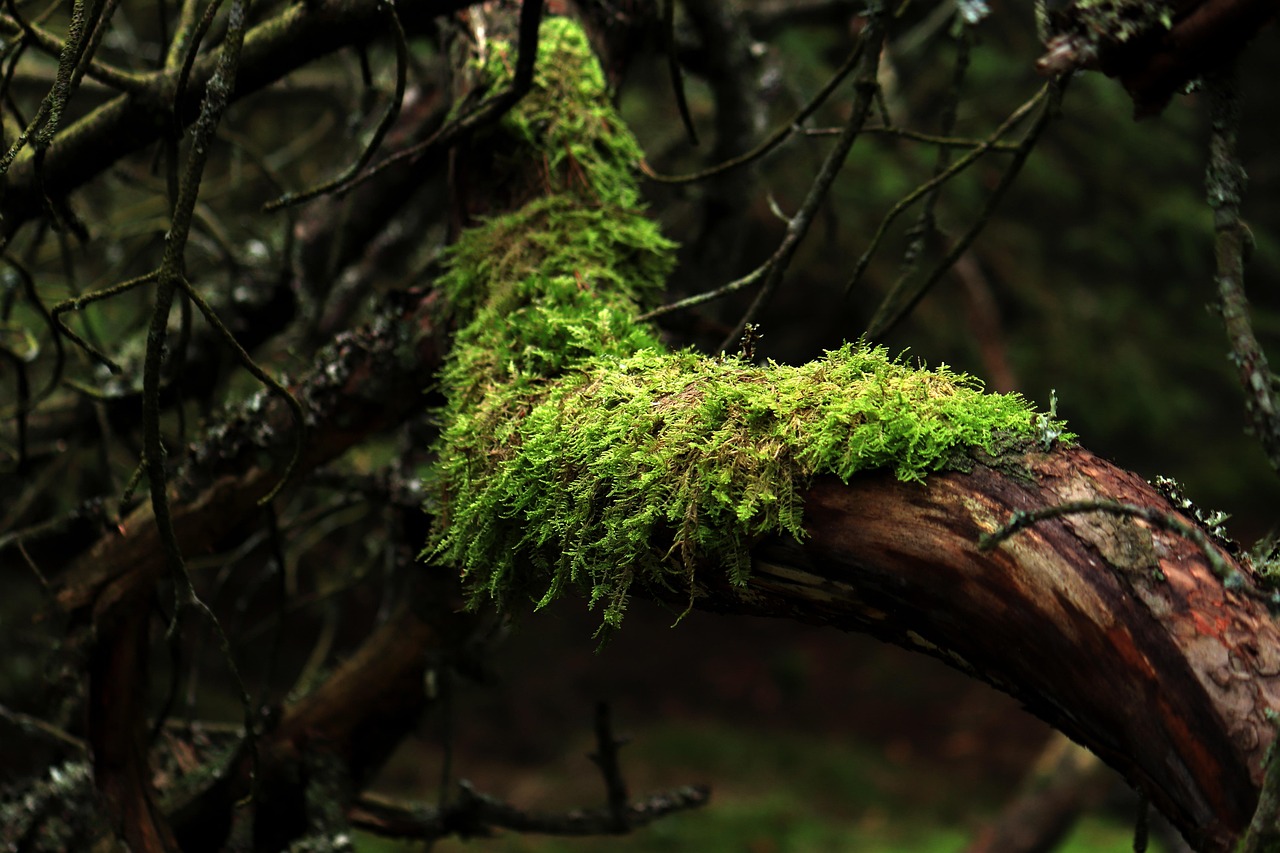
Java moss (Taxiphyllum barbieri) is one of the most versatile and beginner-friendly plants in the aquarium hobby. It grows in virtually any conditions, requires no special equipment, and can be used in countless creative ways within an aquascape. Whether you are building a moss tree centrepiece, creating a living wall on the back glass, or simply providing shelter for breeding shrimp, java moss is the go-to species for aquarists of all experience levels. In Singapore’s warm climate, java moss grows readily without any special accommodation, making it one of the most reliable plants for local tanks. This guide sits inside our broader Planted Tank Complete Hub reference.
Species Overview
Java moss is native to Southeast Asia, found growing on rocks, tree roots and riverbanks in tropical forests. In the aquarium, it is an epiphyte, meaning it attaches to surfaces rather than rooting into substrate. This characteristic makes it incredibly flexible in terms of placement and design possibilities.
Key characteristics:
- Appearance: Small, irregularly branching fronds with tiny, overlapping leaves. Colour ranges from bright green under good conditions to darker green in lower light.
- Size: Individual fronds grow 2-10 cm long, but the plant can form dense mats of any size when left to spread.
- Growth pattern: Creeping and branching. Java moss will attach to almost any surface it contacts over time.
- Classification note: The plant commonly sold as “java moss” in Singapore aquarium shops is typically Taxiphyllum barbieri, though it was historically misidentified as Vesicularia dubyana. In practice, both may appear in the trade under either name.
Attaching Methods
Getting java moss to stay in place while it naturally attaches to a surface is the main challenge. Here are the most effective methods, ranked by practicality:
Superglue (Cyanoacrylate)
The fastest and most reliable method. Use standard gel-type cyanoacrylate superglue (the same kind used for household repairs). Apply a thin line of glue to the rock or driftwood, press a small portion of java moss onto the glue, and hold for ten seconds. The glue cures instantly upon contact with water and is completely aquarium-safe once set. This method works best for attaching moss to hardscape before filling the tank.
Tips:
- Use gel superglue, not liquid, as it stays in place better.
- Apply moss in thin layers. Thick clumps glued down will have dead, rotting material in the centre.
- The glue turns white when cured underwater, but this is quickly hidden by moss growth.
Cotton Thread
The traditional method. Wrap cotton thread around the moss and the surface it is being attached to, securing it firmly but not so tightly that it crushes the moss. Cotton thread biodegrades over four to six weeks, by which point the moss will have attached naturally. The advantage is a very clean look once the thread dissolves. The disadvantage is that it is fiddly and time-consuming.
Fishing Line
Similar to cotton thread but does not biodegrade. Use dark-coloured monofilament fishing line for the least visibility. This is useful for applications where you want permanent security, though the moss will eventually grow over and hide the line. Fishing line is better than thread for larger projects like moss walls.
Stainless Steel Mesh
For moss walls and moss carpets, sandwich java moss between two pieces of stainless steel mesh and secure the edges with fishing line or cable ties. The moss grows through the mesh in both directions, eventually hiding it completely. This method is essential for moss walls attached to the back glass. Ensure you use food-grade stainless steel mesh (304 grade), never galvanised wire, which releases toxic zinc into the water.
Wedging
The simplest method of all: tuck small portions of java moss into crevices in driftwood or between rocks. No glue or thread required. The moss will naturally anchor itself over time. This works well for filling gaps in hardscape arrangements.
Growth Rate and Conditions
Java moss is famously undemanding, which is a large part of its appeal. Here is what it needs, and what it merely appreciates:
| Factor | Requirement | Notes |
|---|---|---|
| Light | Low to moderate | Grows in almost any light. Higher light produces denser, more compact growth |
| CO2 | Not needed | Benefits slightly from CO2 but thrives without it |
| Temperature | 15-30°C | Grows faster in cooler water (22-25°C). Singapore temperatures (28-31°C) are fine but growth is moderately slower |
| Fertiliser | Not essential | Liquid fertiliser promotes faster, greener growth |
| Water flow | Gentle to moderate | Some water flow prevents debris accumulation in the moss |
| pH | 5.0-8.0 | Extremely adaptable to any pH |
It is worth noting that java moss grows somewhat slower in Singapore’s warm water compared to cooler climates. This is not a problem, just something to factor into your expectations. At 28-30°C, java moss grows steadily but is unlikely to become an uncontrollable nuisance, which some hobbyists in temperate climates experience.
Aquascaping Uses
Java moss is arguably the most versatile plant in aquascaping. Here are the most popular applications:
Moss Trees
One of the most iconic aquascaping techniques. A piece of driftwood (often a branching twig or bonsai-style piece) is positioned upright, and java moss is attached to the tips of the branches to create the canopy of a miniature tree. The result is a striking centrepiece that resembles a tiny tree growing on the aquarium floor. Use superglue for initial attachment and trim regularly to maintain the tree shape.
Moss Walls
A living wall of moss on the back glass creates a stunning backdrop for any aquascape. Use the stainless steel mesh sandwich method described above, and attach the mesh panel to the back glass using suction cups. The moss grows through the mesh and eventually forms a dense, green wall. Trim periodically to maintain a flat, even surface. Moss walls are particularly effective in shrimp tanks, as they provide enormous surface area for biofilm grazing.
Moss Carpets
Similar to a moss wall but laid flat on the substrate. Java moss is sandwiched in mesh and placed on the tank floor. While not as compact as dedicated carpeting plants like Monte Carlo, a java moss carpet has a natural, forest-floor appearance that suits certain aquascaping styles, particularly nature and biotope layouts.
Hardscape Accents
Small patches of java moss tucked into rock crevices and along driftwood joints add a sense of age and natural growth to any hardscape arrangement. This is perhaps the most common and effective use of java moss in aquascaping. A few strategically placed tufts of moss can transform a stark hardscape into something that looks as though it has been underwater for years.
Floating Mass
A loose ball or mat of java moss floating at the surface or tied to a piece of floating driftwood provides shelter for fry and shrimp, a foraging ground for surface feeders, and a biological filter that absorbs nutrients from the water column.
Trimming and Maintenance
Left unchecked, java moss will grow into a thick, tangled mass. While this is fine for a breeding tank, aquascaped tanks require regular trimming to maintain a tidy appearance.
How to trim:
- Use sharp scissors to cut the moss back to the desired shape and thickness.
- Remove trimmings immediately with a fine net. Floating fragments will attach to surfaces elsewhere in the tank and start growing in places you may not want them.
- Aim to keep the moss layer no thicker than 2-3 cm. Thicker growth traps debris, blocks water flow to the inner portions, and causes the lower layers to brown and die.
Dealing with debris: Java moss is a magnet for mulm, fish waste and uneaten food particles. During water changes, gently wave your siphon hose over the surface of the moss to dislodge trapped debris without pulling the moss off its attachment. A gentle squeeze of a turkey baster also works well for targeted cleaning.
Algae issues: If java moss is smothered by algae (particularly hair algae or black beard algae), it is usually a sign of excessive light, nutrient imbalance, or poor water flow around the moss. Reduce the lighting period, ensure your tank is not receiving direct sunlight, and improve circulation. Badly algae-infested moss is difficult to clean and is often best removed and replaced with fresh moss.
Java Moss as a Breeding Aid
Java moss is widely considered the single most useful plant for breeding purposes, regardless of the species being bred.
- Egg scatterers: Fish like tetras, rasboras and danios scatter adhesive eggs that stick to java moss, keeping them safe from being eaten by adults in the main tank. Many breeders use a dense clump of java moss on the bottom of a breeding tank specifically for this purpose.
- Fry refuge: The dense structure of java moss creates a labyrinth of tiny spaces where newborn fish and shrimplets can hide from predators and graze on the microorganisms (infusoria) that naturally colonise the moss.
- Shrimp breeding: Cherry shrimp, in particular, benefit enormously from java moss. Berried females often shelter in the moss, and the newly released shrimplets find ample hiding and feeding opportunities within the moss structure.
- Livebearer fry: Guppy, molly and platy fry instinctively hide in dense plant cover. A generous clump of java moss dramatically increases fry survival rates in community tanks.
Comparison with Other Mosses
| Moss Species | Growth Rate | Appearance | Difficulty | Temperature Tolerance |
|---|---|---|---|---|
| Java Moss | Moderate | Irregular, natural | Very Easy | 15-30°C |
| Christmas Moss | Slow-Moderate | Triangular, tree-like fronds | Easy | 18-28°C |
| Flame Moss | Slow | Upright, flame-like growth | Easy-Moderate | 18-28°C |
| Weeping Moss | Slow | Drooping, weeping habit | Moderate | 18-26°C |
| Fissidens fontanus | Very Slow | Fine, feathery | Moderate | 18-26°C |
Java moss stands out for its tolerance of Singapore’s warmer water temperatures. While Christmas moss and weeping moss prefer cooler conditions and may struggle above 28°C without a chiller, java moss handles the heat without complaint. For tanks running at ambient temperature in Singapore, java moss is the safest choice among commonly available mosses.
Looking to incorporate moss into a stunning aquascape? Contact Gensou for expert custom aquarium design or visit our shop for aquascaping supplies.
Frequently Asked Questions
How fast does java moss grow?
Under moderate light and stable conditions, java moss grows at a rate that is noticeable week to week but not alarmingly fast. In Singapore’s warmer tanks (28-31°C), growth is moderate. Cooler tanks in air-conditioned rooms (24-26°C) may see slightly faster growth. With CO2 injection and liquid fertiliser, growth accelerates noticeably. Expect a small attached portion to spread into a visible patch within four to six weeks.
Can java moss grow out of water?
Yes, java moss grows in its emersed (above-water) form provided it is kept constantly moist and in a humid environment. This makes it suitable for paludariums and the above-water portions of riparium setups. Singapore’s high ambient humidity is actually advantageous for emersed moss growth. However, emersed java moss looks slightly different from its submerged form, typically growing more compactly with darker coloured leaves.
Why is my java moss turning brown?
Brown java moss is usually caused by one of three things: insufficient light reaching the inner layers of a thick clump, poor water circulation causing stagnation around the moss, or excessive heat above 30°C for prolonged periods. Trim away the brown portions, thin out the remaining moss, and ensure adequate water flow. Brown sections will not recover, but healthy green growth will emerge from the remaining viable portions.
Does java moss need to be attached to something?
No, java moss does not need to be attached to grow. It can be left free-floating, resting on the substrate, or tucked loosely among decorations. However, attached java moss looks more natural and is easier to manage than free-floating clumps, which tend to drift around the tank and catch debris. For aquascaping purposes, attaching the moss to hardscape gives you control over the design.
Related Reading



