Best Beginner Fish in Singapore: 10 Hardy Species for New Tanks
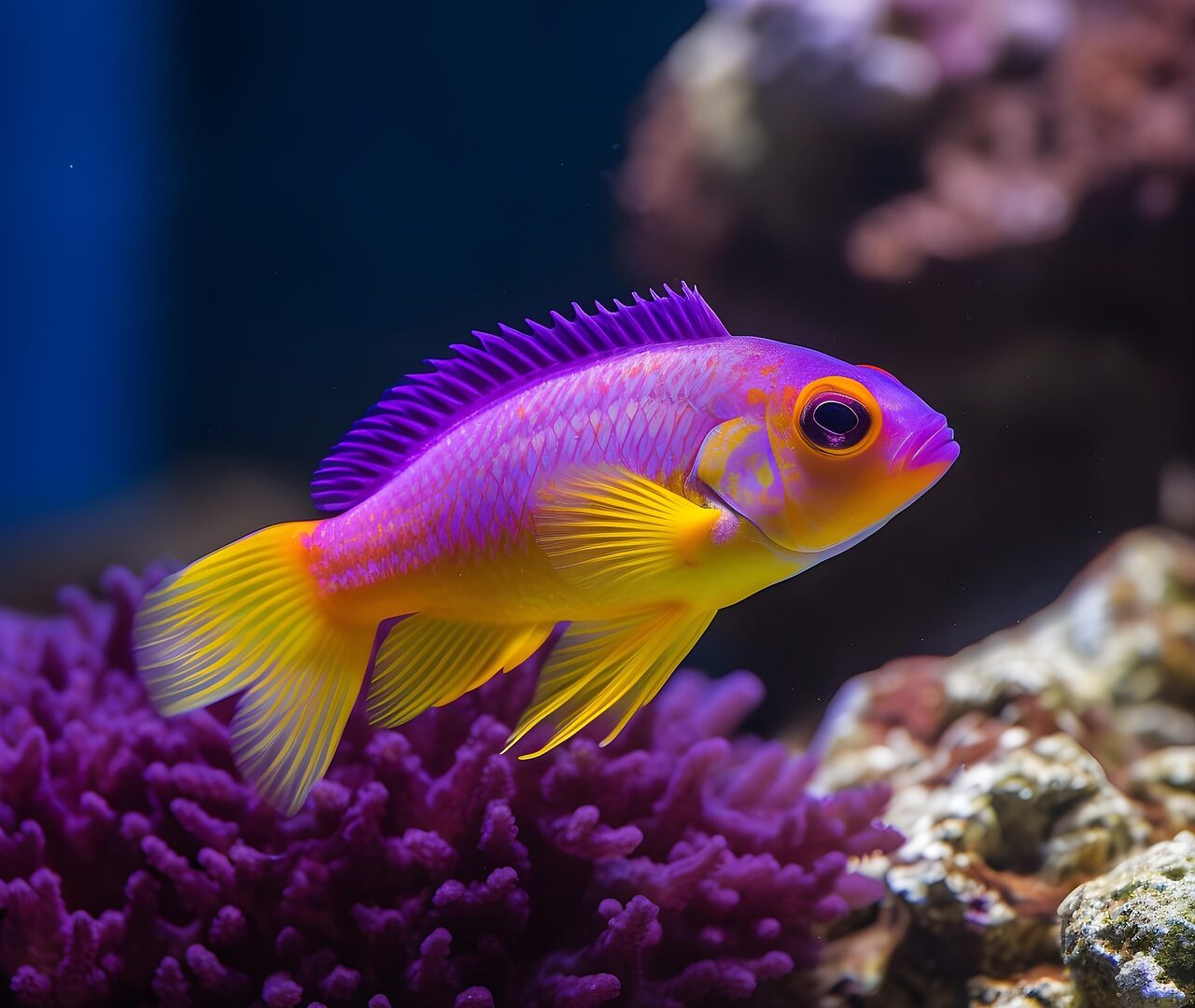
Starting your first aquarium is exciting, but choosing the wrong fish can turn that excitement into frustration within weeks. The best beginner fish are hardy enough to tolerate the minor mistakes every new aquarist makes, affordable enough that losses are not devastating, and interesting enough to keep you engaged as you learn. This guide sits inside our broader Freshwater Aquarium Complete Beginner Hub reference.
This guide covers 10 species that tick all those boxes and thrive in Singapore’s conditions. Our tropical climate means most of these fish are perfectly comfortable at room temperature without supplemental heating, and all are readily available at local fish shops across the island.
What Makes a Good Beginner Fish?
Not all fish are created equal when it comes to forgiveness. The ideal beginner species should meet these criteria:
- Hardy constitution — Tolerates minor water quality fluctuations, temperature variations, and the learning curve of a new hobbyist.
- Peaceful temperament — Gets along with other community fish without territorial disputes.
- Accepts prepared foods — Eats flake, pellet, and frozen foods readily without needing live food or specialised diets.
- Affordable — Priced at S$1-10 per fish, so building a proper school does not break the bank.
- Readily available — Stocked by most local fish shops in Singapore.
- Comfortable at 26-30°C — Thrives at Singapore room temperature without a chiller or heater.
- Reasonable adult size — Does not outgrow a typical starter tank within months.
10 Best Beginner Fish for Singapore
1. Guppy (Poecilia reticulata)
The guppy is arguably the world’s most popular beginner fish, and for good reason. Males display spectacular colours and flowing tails, while females are larger and less colourful. Guppies are incredibly hardy, eat anything, and breed readily — sometimes too readily. If you do not want fry, keep only males. They thrive at Singapore’s ambient temperatures and tolerate a wide range of water conditions.
- Max size: 5 cm (males), 6 cm (females)
- Temperature: 22-30°C
- Min tank: 40 litres for a group
- Diet: Flake, pellet, frozen, live foods
- Price: S$1-5 per fish (fancy varieties S$5-15)
2. Platy (Xiphophorus maculatus)
Platies are colourful, chunky livebearers available in dozens of colour varieties: red, orange, blue, calico, and more. They are peaceful, active swimmers that add immediate colour to a community tank. Like guppies, they breed easily. Platies are unfussy eaters and tolerate a broad range of water parameters, including Singapore’s slightly alkaline tap water (pH 7-8) which suits them perfectly.
- Max size: 5-7 cm
- Temperature: 22-28°C
- Min tank: 40 litres
- Diet: Flake, pellet, algae wafer, blanched vegetables
- Price: S$1-4 per fish
3. Swordtail (Xiphophorus hellerii)
Close relatives of platies, swordtails are named for the elongated lower tail fin on males. They are slightly larger and more active, requiring a bit more swimming space. Available in red, orange, pineapple, and mixed colour forms. Swordtails are excellent community fish but males can be mildly territorial with each other, so keep one male with two or more females.
- Max size: 10-12 cm
- Temperature: 22-28°C
- Min tank: 60 litres
- Diet: Flake, pellet, frozen foods, blanched vegetables
- Price: S$2-5 per fish
4. Zebra Danio (Danio rerio)
Zebra danios are energetic, torpedo-shaped fish with distinctive horizontal stripes. They are among the hardiest aquarium fish available, tolerating temperatures from 18-28°C and a wide pH range. Their constant activity and tight schooling behaviour make them endlessly entertaining. Keep in groups of at least 6. They are also available in a long-fin variety and a genetically modified fluorescent form (GloFish).
- Max size: 5 cm
- Temperature: 18-28°C
- Min tank: 60 litres (active swimmers)
- Diet: Flake, pellet, frozen, live foods
- Price: S$1-2 per fish
5. White Cloud Mountain Minnow (Tanichthys albonubes)
These elegant little fish feature a bright neon stripe along their flanks and colourful fins. They are incredibly hardy, peaceful, and thrive in groups of 8 or more. White clouds prefer cooler water (16-24°C), so in Singapore they do best in air-conditioned rooms or with a clip-on fan during hotter months. Their tolerance for unheated water makes them excellent for outdoor or balcony setups during the cooler monsoon season.
- Max size: 4 cm
- Temperature: 16-24°C (borderline in SG ambient)
- Min tank: 40 litres
- Diet: Flake, micro pellet, frozen foods
- Price: S$1-2 per fish
6. Bristlenose Pleco (Ancistrus sp.)
If you want an algae-eating fish that stays manageable, the bristlenose pleco is your best option. Unlike common plecos that grow to 30-45 cm, bristlenoses top out at about 12-15 cm. They are nocturnal, spending daylight hours tucked behind driftwood or under rocks, then emerging at night to graze on algae. Provide driftwood for them to rasp on, as the wood fibre aids their digestion.
- Max size: 12-15 cm
- Temperature: 23-30°C
- Min tank: 60 litres
- Diet: Algae, algae wafer, blanched courgette, driftwood
- Price: S$5-15 per fish
7. Betta (Betta splendens)
The betta is a Southeast Asian native perfectly adapted to our climate. Males display magnificent flowing fins in every colour imaginable. They are intelligent, interactive fish that learn to recognise their owner. Keep only one male per tank, and avoid pairing with fin-nipping species. A betta in a well-planted 20-litre tank with gentle filtration is one of the simplest, most rewarding setups a beginner can have.
- Max size: 6-7 cm
- Temperature: 24-30°C
- Min tank: 10 litres (20+ litres preferred)
- Diet: Betta pellet, frozen bloodworm, daphnia
- Price: S$3-30 (depending on variety)
8. Harlequin Rasbora (Trigonostigma heteromorpha)
The harlequin rasbora is a classic community fish featuring a warm copper body with a distinctive black triangular patch. They are peaceful, school beautifully in groups of 8-10, and look stunning against green planted backgrounds. Originally from Southeast Asia, they are naturally adapted to warm, soft, slightly acidic water. One of the most reliable and attractive choices for a planted community tank.
- Max size: 4-5 cm
- Temperature: 23-28°C
- Min tank: 40 litres
- Diet: Flake, micro pellet, frozen foods
- Price: S$1-3 per fish
9. Cherry Barb (Puntius titteya)
Cherry barbs are gentle, colourful fish that add warmth to any community tank. Males develop a deep cherry-red colouration when in good condition, especially during breeding displays. Unlike some barb species (tiger barbs, in particular), cherry barbs are peaceful and will not nip fins. They adapt well to Singapore water conditions and accept all types of food.
- Max size: 5 cm
- Temperature: 23-28°C
- Min tank: 40 litres
- Diet: Flake, pellet, frozen, live foods
- Price: S$1-3 per fish
10. Kuhli Loach (Pangio kuhlii)
These quirky, eel-like loaches are native to Southeast Asia and perfectly suited to Singapore’s climate. They are peaceful bottom-dwellers that spend their time wriggling through substrate, squeezing into crevices, and coming out in the evening to scavenge. Kuhli loaches are social and should be kept in groups of at least 4-5. They appreciate a fine sand substrate and plenty of hiding spots among plants and driftwood.
- Max size: 10 cm
- Temperature: 24-30°C
- Min tank: 40 litres
- Diet: Sinking pellet, frozen bloodworm, wafer
- Price: S$2-4 per fish
Comparison Table
| Species | Max Size | Min Tank (L) | OK at 28-30°C? | Schooling? | Price (SGD) |
|---|---|---|---|---|---|
| Guppy | 5-6 cm | 40 | Yes | Loosely | $1-5 |
| Platy | 5-7 cm | 40 | Borderline | No | $1-4 |
| Swordtail | 10-12 cm | 60 | Borderline | No | $2-5 |
| Zebra Danio | 5 cm | 60 | Borderline | Yes (6+) | $1-2 |
| White Cloud Minnow | 4 cm | 40 | No, needs cooling | Yes (8+) | $1-2 |
| Bristlenose Pleco | 12-15 cm | 60 | Yes | No | $5-15 |
| Betta | 6-7 cm | 10 | Yes | No (solitary) | $3-30 |
| Harlequin Rasbora | 4-5 cm | 40 | Borderline | Yes (8+) | $1-3 |
| Cherry Barb | 5 cm | 40 | Borderline | Loosely (6+) | $1-3 |
| Kuhli Loach | 10 cm | 40 | Yes | Social (4+) | $2-4 |
Where to Buy Fish in Singapore
Singapore has a thriving aquarium trade with options for every budget:
- Neighbourhood fish shops — Found in most housing estates and heartland areas. Prices are competitive and owners often provide hands-on advice. Quality varies, so inspect fish carefully for signs of disease.
- Speciality aquarium shops — Stores focused on planted tanks and aquascaping tend to carry healthier, better-conditioned livestock. Staff are usually more knowledgeable about water parameters and compatibility.
- Qian Hu Fish Farm — One of Singapore’s largest ornamental fish farms in Jalan Lekar, offering wholesale-to-public sales. Good selection and competitive pricing.
- Online platforms — Facebook groups, Carousell, and dedicated aquarium forums have active communities selling and trading livestock. Exercise caution with shipping stress and seller reputation.
When buying fish, look for clear eyes, intact fins, active swimming behaviour, and alert responsiveness. Avoid fish from tanks with visible disease, cloudy water, or dead fish. Quarantine new arrivals for 1-2 weeks if possible before introducing them to your main tank. For detailed guidance on introducing new fish safely, read our guide on how to acclimate new fish.
Common Beginner Mistakes to Avoid
- Buying fish before cycling the tank — This is the number one killer of beginner fish. Always complete the nitrogen cycle before adding livestock. See our nitrogen cycle guide for a full walkthrough.
- Overstocking immediately — Add fish gradually over several weeks, not all at once. Each new addition produces waste that your bacterial colony needs time to adjust to.
- Mixing incompatible species — Research every species before buying. Tiger barbs will shred a betta’s fins. Cichlids will terrorise tetras. Just because fish are in the same tank at the shop does not mean they belong together.
- Buying common plecos — That cute 5 cm pleco at the shop will grow to 30-45 cm within a year or two. Choose a bristlenose pleco instead if you want an algae eater that stays manageable.
- Overfeeding — Feed only what your fish consume within 2 minutes, once or twice a day. Uneaten food decays and poisons the water. Most beginner problems trace back to overfeeding.
- Ignoring water changes — A 25-30% weekly water change is the single most important maintenance task. No filter, no product, and no magic solution replaces regular water changes.
- Trusting pet shop advice blindly — Some shops prioritise sales over animal welfare. “That fish is fine for your tank” does not always mean it actually is. Do your own research.
Frequently Asked Questions
How many fish can I put in a new tank?
Start with just 3-4 small, hardy fish after completing the nitrogen cycle. Wait 2-3 weeks, testing water parameters regularly, before adding more. This gives your beneficial bacteria time to build up to handle the increasing bioload. Patience at this stage prevents the deadly ammonia and nitrite spikes that kill fish in new tanks.
Do I need a heater for a beginner tank in Singapore?
For the species listed in this guide, generally no. Singapore’s ambient temperature keeps most tanks at 28-30°C, which suits tropical species well. A heater is only needed if your tank is in a heavily air-conditioned room that regularly drops below 24°C. Conversely, if your tank sits above 30°C, consider a clip-on fan or repositioning away from direct sunlight.
Can I keep different species together?
Yes, provided you choose compatible species. A classic beginner community might include a school of harlequin rasboras (8-10), a small group of cherry barbs (6), and a bristlenose pleco in a 60-litre tank. Avoid mixing aggressive or territorial species, and never combine cold-water and tropical species in the same tank.
How long do beginner fish live?
With proper care, most species on this list live 3-5 years. Bristlenose plecos can live 10-15 years. Bettas typically live 2-4 years. Good water quality, proper diet, and appropriate tank size are the biggest factors in lifespan. A well-maintained aquarium gives your fish the best chance of a long, healthy life.
Setting up your first aquarium? Gensou can help you get it right from the start. From selecting the right tank and equipment to choosing compatible fish, our custom aquarium service covers everything. We also offer ongoing maintenance plans if you want professional support as you learn. Get in touch to discuss your first tank.
Related Reading