
Guppy Care Guide: The World’s Most Popular Aquarium Fish
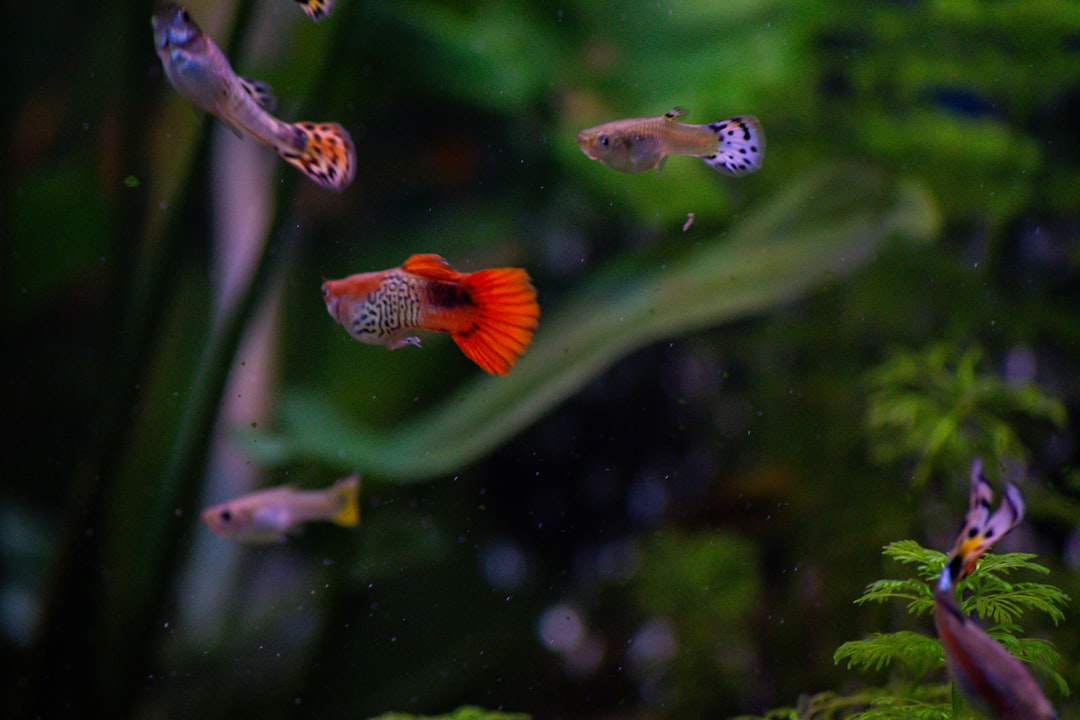
The guppy (Poecilia reticulata) has earned its place as the world’s most popular freshwater aquarium fish, and for good reason. These small, brilliantly coloured livebearers are hardy, peaceful, endlessly varied and perfectly suited to Singapore’s tropical climate. Whether you are setting up your first tank in an HDB flat or adding a splash of colour to an established community aquarium, guppies are a rewarding choice. This guide sits inside our broader Tropical Fish Species Master Index reference.
With over two decades of experience helping Singapore aquarists, we at Gensou have seen every guppy variety imaginable pass through our shop. This guide distils that experience into everything you need to know to keep guppies thriving in local conditions.
Guppy Varieties and Types
Decades of selective breeding have produced an astonishing range of guppy forms. Understanding the main categories helps when selecting fish and appreciating the hobby’s depth.
Wild-Type Guppies
Wild guppies originate from streams in Venezuela, Trinidad and surrounding regions. Males display modest but attractive colouration — typically olive bodies with splashes of orange, blue and black. Wild-type guppies are exceptionally hardy and more disease-resistant than heavily line-bred fancy strains. They are an excellent choice for beginners or for planted tanks where natural aesthetics are preferred.
Fancy Guppies
Fancy guppies are the showstoppers of the hobby. Breeders have developed hundreds of recognised strains categorised by tail shape, body pattern and colour.
| Category | Popular Varieties | Key Features |
|---|---|---|
| Tail Shape | Delta, Half-moon, Lyretail, Swordtail, Round tail, Pin tail | Delta and half-moon are the most popular show types |
| Body Pattern | Cobra, Tuxedo, Snakeskin, Leopard, Moscow | Cobra features rosette markings; tuxedo has a dark lower body |
| Colour | Red, Blue, Yellow, Albino, Platinum, Multi-colour | Moscow blues and reds are particularly striking |
Endler’s Guppies
Closely related to the common guppy, Endler’s guppies (Poecilia wingei) are smaller, more intensely coloured and less prone to the health issues that plague over-bred fancy strains. They can interbreed with common guppies, so purists keep them separate. For a detailed look at these delightful fish, see our Endler’s guppy care guide.
Male vs Female Guppies
Telling male and female guppies apart is straightforward once you know what to look for.
- Males are smaller (3-4 cm), slimmer and vibrantly coloured with elaborate tail fins. They possess a modified anal fin called a gonopodium, which is pointed and rod-shaped.
- Females are larger (4-6 cm), rounder-bodied and typically more subdued in colour, though some fancy strains produce colourful females. Their anal fin is fan-shaped. Pregnant females develop a dark gravid spot near the anal vent.
A key consideration is sex ratio. If you keep males and females together, maintain at least two to three females per male. This distributes the males’ relentless mating attention and reduces stress on individual females. Alternatively, an all-male tank is a perfectly viable option if you want colour without the population explosion.
Tank Size and Setup
Guppies are small fish, but they are active swimmers that appreciate space. A minimum of 40 litres (roughly a 45 cm tank) is recommended for a small group. For a proper breeding colony or mixed community, 60-80 litres provides a much better environment.
Aquascaping for Guppies
Guppies thrive in planted tanks. Live plants serve multiple purposes: they provide hiding spots for fry, help maintain water quality, and create a natural-looking display. Ideal plants for guppy tanks include:
- Java moss — excellent fry cover
- Hornwort — fast-growing, absorbs excess nutrients
- Water sprite — floating or planted, provides dense cover
- Anubias — low-light tolerant, attaches to hardscape
A gentle filter is important, as guppies (especially long-finned varieties) struggle against strong currents. Sponge filters are ideal for breeding setups, while hang-on-back filters work well for display tanks if the flow is baffled.
Looking to create a stunning planted guppy tank? Our custom aquarium design service can help you plan the perfect setup.
Water Parameters for Singapore
One of the great advantages of keeping guppies in Singapore is that our local conditions are naturally well-suited to them.
| Parameter | Ideal Range | Singapore Tap Water |
|---|---|---|
| Temperature | 22-28°C | 28-32°C (no heater needed; may need a fan in hot months) |
| pH | 6.8-8.0 | ~7.0-8.0 (excellent match) |
| GH | 8-12 dGH | Generally within range |
| Ammonia/Nitrite | 0 ppm | Must be cycled |
| Nitrate | Below 40 ppm | Maintained through water changes |
Singapore’s PUB tap water is treated with chloramine rather than chlorine. Always use a water conditioner that neutralises both chlorine and chloramine when performing water changes. A quality dechlorinator is a non-negotiable part of fishkeeping here.
During the hotter months, ambient temperatures in non-air-conditioned HDB flats can push water temperatures above 30°C. While guppies tolerate this better than many tropical fish, prolonged heat reduces dissolved oxygen. A small clip-on fan blowing across the water surface can drop temperatures by 2-3°C and improve gas exchange.
Feeding and Nutrition
Guppies are omnivores with a slight preference for protein-rich foods. A varied diet produces the best colour and health.
- Staple: High-quality micro pellets or tropical flake food, fed once or twice daily in small amounts
- Protein supplements: Frozen or live baby brine shrimp, daphnia and bloodworms, offered two to three times per week
- Vegetable matter: Blanched spinach, spirulina-based foods or algae wafers broken into small pieces
The golden rule with guppies is to feed small amounts that are consumed within two minutes. Overfeeding is the most common cause of water quality problems in guppy tanks. Their tiny stomachs fill quickly, and uneaten food decays rapidly in Singapore’s warm water.
Breeding and Population Control
Guppies are prolific livebearers, and this is both their greatest appeal and biggest challenge. A single female can produce 20-50 fry every 28-35 days, and she can store sperm from a single mating for several months. If you buy females from a mixed tank, assume they are already pregnant.
The Population Problem
Without intervention, a small group of guppies can become hundreds within a few months. This is perhaps the most important aspect of guppy keeping that beginners underestimate. Strategies for managing population include:
- Keep males only — the simplest solution for a colourful display without breeding
- Natural predation — community fish like dwarf gouramis or angelfish will eat most fry
- Separate sexes — maintain male and female tanks separately
- Selective breeding — remove excess fry and rehome them (your local fish shop may accept them)
Raising Fry
If you do want to raise fry, provide dense plant cover (java moss is superb) and feed newly hatched fry with crushed flake food, baby brine shrimp or commercial fry food three to four times daily. Fry begin showing colour at around four to six weeks, with males developing their patterns gradually over three to four months.
Compatible Tank Mates
Guppies are peaceful community fish, but their flowing fins make them targets for nippy species. Good tank mates include:
- Corydoras catfish — peaceful bottom-dwellers that complement guppies perfectly
- Neon tetras — another peaceful schooling fish; see our neon tetra care guide for more
- Harlequin rasboras — gentle and colourful
- Otocinclus — small algae eaters that coexist peacefully
- Cherry shrimp — add colour and help with clean-up, though guppies may eat baby shrimp
- Platy fish and swordtails — fellow livebearers with similar requirements
Avoid keeping guppies with tiger barbs, serpae tetras or any known fin-nippers. Large cichlids and aggressive species are also unsuitable.
Common Diseases
Guppies, particularly fancy strains, can be susceptible to several health issues. Early detection and treatment are crucial.
Guppy Disease (Columnaris)
Often called “guppy disease,” columnaris is a bacterial infection (Flavobacterium columnare) that presents as white or greyish patches on the body, frayed fins, and mouth fungus. It is highly contagious and thrives in warm water — making it a particular concern in Singapore. Treatment involves antibacterial medications and, where possible, slightly lowering the water temperature. Quarantining new fish for two weeks before adding them to your main tank is the best prevention.
White Spot (Ich)
The classic “white spot disease” appears as tiny white dots covering the body and fins. It is easily treated with commercial ich medications or by gradually raising the temperature to 30°C (which speeds up the parasite’s life cycle) combined with salt treatment at 1-2 grams per litre.
Fin Rot
Bacterial fin rot causes progressive deterioration of the fins. Poor water quality is almost always the underlying cause. Improving water conditions through more frequent water changes often resolves mild cases. Severe infections require antibacterial treatment.
Velvet Disease
Caused by the parasite Oodinium, velvet appears as a fine gold or rust-coloured dust on the body. It is treated with copper-based medications, though be cautious if you keep invertebrates, as copper is lethal to shrimp and snails.
Frequently Asked Questions
How many guppies can I keep in a 40-litre tank?
A 40-litre tank comfortably houses six to eight adult guppies. If keeping both sexes, aim for two males and four to six females. Remember that if breeding occurs, the population will rapidly exceed this number, so have a plan for managing fry.
Do guppies need a heater in Singapore?
Generally, no. Singapore’s ambient temperatures keep aquarium water at 28-31°C, which is within the guppy’s comfortable range. In fact, during the hottest months, you may need a small fan to prevent overheating rather than a heater. Only air-conditioned rooms that drop below 24°C consistently would benefit from a heater.
Why are my guppies dying shortly after purchase?
Sudden deaths in newly purchased guppies are often due to stress from poor acclimatisation, differences in water parameters between the shop and your tank, or underlying disease picked up from mass breeding farms. Always acclimatise new fish slowly over 30-60 minutes using the drip method. Buying from reputable local shops that quarantine their stock significantly reduces the risk.
Can I keep guppies with shrimp?
Adult cherry shrimp and Amano shrimp generally coexist well with guppies. However, guppies will readily eat baby shrimp. If you want a thriving shrimp colony alongside guppies, provide plenty of dense plant cover — java moss, moss balls and fine-leaved plants — where shrimplets can hide until they are large enough to avoid being eaten.
Guppies remain one of the most rewarding fish you can keep, and Singapore’s climate makes them an especially easy choice. If you are ready to start your guppy tank or need quality stock, visit our shop at 5 Everton Park or get in touch with the Gensou team. With over 20 years of aquascaping expertise, we are happy to help you select the right fish and set up a tank you will enjoy for years to come.
Related Reading
- Endler Guppy Care Guide: Hardy, Colourful and Easy to Keep
- Endler Guppy Hybrid Colour Strains: Tiger, Cobra and Santa Maria
- Endler-Guppy Selective Breeding Guide: Hybrid Strains and Purity
- Guppy Selective Breeding Guide: Strains, Colour Lines and Genetics
- Blue Acara Cichlid Care Guide: The Overlooked Gem



