
Bristlenose Pleco Care Guide: The Best Algae-Eating Catfish
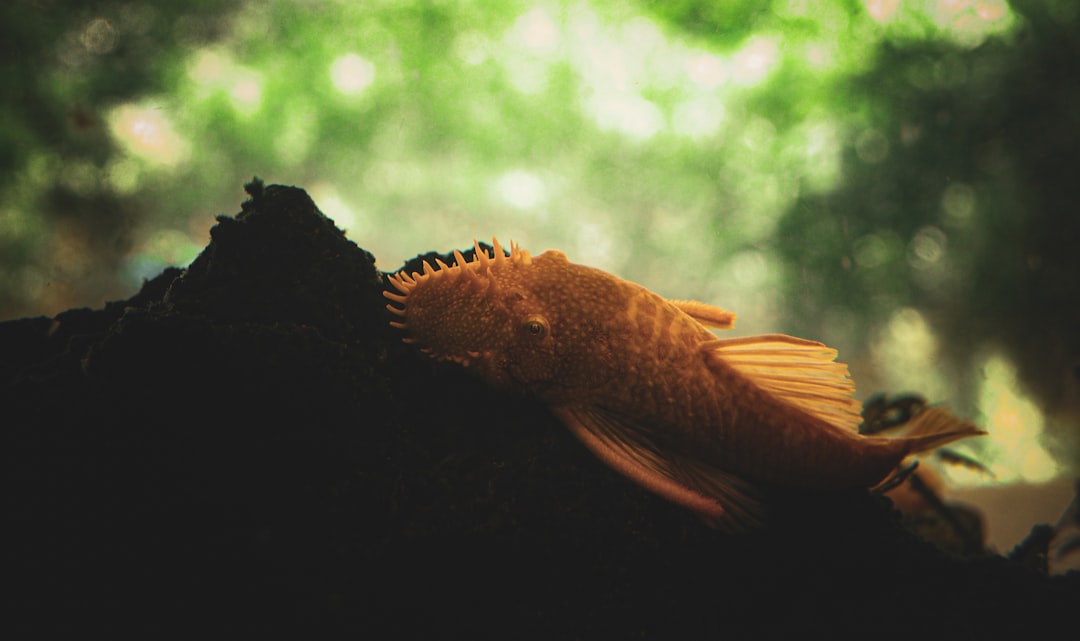
If you want a hardworking algae eater that stays a manageable size, the bristlenose pleco (Ancistrus sp.) is hard to beat. Unlike the common pleco that outgrows most home aquariums, bristlenoses top out at 12-15 cm and earn their keep by diligently grazing on algae across every surface in the tank. Add in their fascinating bristle-covered faces and straightforward breeding behaviour, and you have one of the most practical and interesting catfish available to Singapore aquarists. This guide sits inside our broader Tropical Fish Species Master Index reference.
At Gensou, we consistently recommend bristlenose plecos as the go-to algae-eating fish for community tanks. Here is our comprehensive care guide based on decades of experience.
Species Overview
The bristlenose pleco belongs to the Ancistrus genus, which contains over 70 described species. The most commonly available in Singapore shops are Ancistrus cirrhosus and Ancistrus cf. cirrhosus, along with several colour variants produced through selective breeding.
| Attribute | Detail |
|---|---|
| Adult Size | 12-15 cm |
| Lifespan | 5-10 years (some exceeding 12) |
| Diet | Omnivore (primarily herbivorous) |
| Temperament | Peaceful; males can be territorial with each other |
| Activity | Nocturnal/crepuscular (most active at dawn and dusk) |
| Origin | South America (Amazon basin and tributaries) |
Common varieties available in Singapore include the standard brown/grey, albino (yellow-white with red eyes), super red, long-fin, and the striking starlight bristlenose (Ancistrus dolichopterus) with its white-spotted pattern.
Male vs Female: The Bristle Difference
Bristlenose plecos are named for the fleshy tentacle-like growths on their snouts, but the extent of these bristles differs dramatically between the sexes.
- Males develop prominent, branching bristles that extend from the snout up between the eyes and sometimes onto the forehead. These bristles begin appearing at around 6 months of age and continue growing throughout life. Mature males can sport an impressive crown of tentacles.
- Females may develop small bristles along the very edge of the snout, but these are short, sparse and do not branch. Many females have no visible bristles at all.
This makes sexing adult bristlenoses one of the easiest tasks in fishkeeping. Juveniles under 5-6 cm are harder to differentiate, as bristle growth has not yet begun.
Algae-Eating Capabilities and Limits
Bristlenose plecos are genuinely effective algae eaters, and this is their primary draw for most aquarists. They use their sucker mouths to rasp algae from glass, decorations, equipment and plant leaves (usually without damaging the plants).
Types of Algae They Eat
- Green spot algae — the hard green patches on glass; bristlenoses handle this well
- Brown diatom algae — common in new tanks; readily consumed
- Soft green algae — the general green film; their bread and butter
- Green dust algae — grazed upon but regrows quickly
Types They Will Not Touch
- Black beard algae (BBA) — bristlenoses largely ignore this; you need a Siamese algae eater for BBA
- Staghorn algae — not on the menu
- Blue-green algae (cyanobacteria) — no fish eats this reliably
For a broader comparison of algae-eating species and their effectiveness, see our algae eater comparison guide.
An important caveat: as bristlenose plecos grow and receive supplemental feeding, many become less enthusiastic about grazing algae. A well-fed adult may ignore algae entirely. If algae control is your primary goal, feed moderately and avoid overloading the fish with wafers and vegetables.
driftwood“>The Driftwood Requirement
This is non-negotiable: bristlenose plecos require driftwood in their tank. They rasp on wood to obtain lignin and cellulose, which aid their digestion. A tank without driftwood will result in a bristlenose with digestive problems and reduced health over time.
Suitable wood types include:
- Malaysian driftwood — widely available in Singapore, sinks readily
- Mopani wood — dense and attractive, though releases tannins initially
- Spider wood — creates dramatic aquascape features
- Cholla wood — excellent for smaller tanks, provides hiding spots
Driftwood also releases tannins that slightly lower pH and tint the water tea-coloured. Many aquarists appreciate this “blackwater” look, but if you prefer clear water, pre-soak the wood for a week or two before adding it to the tank. For more on selecting and preparing wood, check out our guide to driftwood for aquascaping.
Feeding: More Than Just Algae
A common misconception is that bristlenose plecos can survive on algae alone. While they are excellent grazers, algae alone rarely provides adequate nutrition, especially in clean, well-maintained tanks where algae growth is limited.
A Balanced Bristlenose Diet
- Algae wafers — the staple; choose a quality brand with high spirulina content. Feed one wafer every one to two days, depending on fish size
- Blanched vegetables — zucchini (courgette), cucumber, peas (shelled), broccoli and spinach. Blanch briefly to soften, then attach to a weight or veggie clip
- Driftwood — rasped continuously for fibre
- Protein — occasional frozen bloodworms or sinking carnivore pellets. Bristlenoses are omnivores and do benefit from some animal protein
Feed in the evening, as bristlenoses are most active after lights-out. Remove any uneaten vegetables after 12-24 hours to prevent water quality issues — uneaten food decomposes quickly in Singapore’s warm water.
Tank Size and Setup
Despite their modest size, bristlenose plecos are messy fish. They produce a surprising amount of waste relative to their body size, primarily because they constantly graze and pass woody, fibrous droppings.
- Minimum: 60 litres for a single bristlenose
- Recommended: 80-100 litres, especially if keeping a pair
- For breeding: 100+ litres with multiple caves
Essential Setup Elements
- Driftwood — mandatory, as discussed above
- Caves and hiding spots — bristlenoses are secretive fish that spend daylight hours hiding. Provide coconut shells, ceramic caves, PVC pipes or rock formations with gaps
- Good filtration — essential due to their high waste output. A canister filter is ideal for larger setups
- Moderate current — bristlenoses come from flowing rivers and appreciate some water movement
Water Parameters
| Parameter | Ideal Range | Singapore Tap Water |
|---|---|---|
| Temperature | 22-28°C | 28-32°C (use a fan in hot months) |
| pH | 6.0-7.5 | ~7.0-8.0 (slightly high but manageable) |
| GH | 2-15 dGH | Generally acceptable |
| Ammonia/Nitrite | 0 ppm | Tank must be fully cycled |
| Nitrate | Below 30 ppm | Regular water changes essential |
Singapore tap water is slightly more alkaline than bristlenoses prefer, but they adapt well to it, especially when driftwood and leaf litter help to naturally soften and acidify the water. Weekly 25-30% water changes using dechlorinated tap water keep conditions stable.
Temperature is worth monitoring during the hotter months. Bristlenoses prefer cooler water than many tropical fish and can become stressed above 30°C. Adequate filtration, surface agitation and a small fan help maintain a comfortable range.
Breeding
Bristlenose plecos are one of the easiest catfish to breed in captivity, making them a favourite among hobbyist breeders.
Cave Spawning
The male selects and cleans a cave (any enclosed space slightly larger than his body), then entices a female to enter and lay her eggs. The female deposits 20-100 large, orange, adhesive eggs on the cave ceiling and walls, then leaves. The male takes over entirely from this point.
Paternal Care
Male bristlenose plecos are devoted fathers. The male guards the eggs, fans them with his fins to ensure oxygenation, and eats any unfertilised eggs to prevent fungus. He rarely leaves the cave during the 4-10 day incubation period and does not eat. Once the fry hatch, they absorb their yolk sacs over a few days before venturing out.
Raising Fry
Bristlenose fry can eat blanched vegetables, spirulina powder and crushed algae wafers from birth. Provide plenty of surfaces for biofilm growth, as fry spend their early days rasping on glass, rocks and wood. Growth is relatively slow — expect fry to reach 2-3 cm in the first two months.
Bristlenose vs Common Pleco
This comparison is crucial because many beginners accidentally buy a common pleco (Pterygoplichthys pardalis or Hypostomus plecostomus) thinking it will stay small. It will not.
| Feature | Bristlenose Pleco | Common Pleco |
|---|---|---|
| Adult Size | 12-15 cm | 30-60 cm |
| Minimum Tank | 60 litres | 400+ litres |
| Algae Eating | Active grazer throughout life | Effective when young; lazy when large |
| Waste Production | Moderate | Enormous — can overwhelm small filters |
| Plant Safe | Generally yes | Large specimens may uproot or eat plants |
| Availability | Very common | Common (often sold tiny but grows fast) |
The bristlenose pleco is the clear winner for home aquariums. Common plecos are wonderful fish in their own right, but they belong in very large tanks — not the 60-100 litre setups typical of most Singapore homes. We have seen too many common plecos outgrow their tanks and end up in Singapore’s waterways, which is harmful to local ecosystems.
Tank Mates
Bristlenose plecos are peaceful with virtually all community fish. Suitable companions include:
- Tetras, rasboras and danios — any peaceful schooling fish
- Livebearers (guppies, platys, swordtails) — share similar water preferences
- Dwarf cichlids (Apistogramma, rams) — occupy different niches
- Gouramis — peaceful coexistence
- Corydoras — fellow bottom-dwellers that rarely conflict
- Shrimp — bristlenoses ignore shrimp entirely
The main compatibility concern is housing multiple male bristlenoses together. Males are territorial over caves and will fight — sometimes aggressively — for the best spots. In tanks under 120 litres, keep only one male. Provide more caves than you have males to reduce conflict.
Frequently Asked Questions
Will a bristlenose pleco keep my tank algae-free?
A bristlenose will significantly reduce algae, especially green and brown algae on glass and hardscape. However, no single fish will eliminate all algae, particularly in tanks with strong lighting, high nutrients, or CO2 injection. Think of a bristlenose as a valuable member of your algae management team, not a complete solution. Proper lighting duration (8-10 hours), nutrient balance and regular maintenance are still essential.
Why is my bristlenose pleco not eating algae wafers?
New bristlenoses may take a few days to settle in and start eating. Ensure you are feeding after lights-out, as they are most active in the dark. If the fish is eating natural algae and driftwood, it may simply not be hungry enough for wafers. Also check that faster tank mates are not consuming the wafers before the pleco gets to them — this is a common problem.
Can I keep a bristlenose in a planted tank without it eating the plants?
Yes. Bristlenose plecos are generally plant-safe. They rasp algae from leaf surfaces but rarely damage healthy plant tissue. The exception is very soft-leaved plants or plants in poor health — a hungry bristlenose may occasionally nibble on these. Well-fed bristlenoses in a tank with adequate driftwood are extremely unlikely to cause plant damage.
How do I know if my bristlenose is healthy?
A healthy bristlenose has a rounded belly (not sunken or bloated), clear eyes, intact fins and active nocturnal behaviour. You should see evidence of grazing — clean patches on glass or wood. Sunken bellies, clamped fins, lethargy during evening hours or redness around the mouth are signs of ill health requiring attention.
Bristlenose plecos are one of the most practical and rewarding fish you can add to a community tank. If you need help selecting the right variety or want advice on setting up an algae-free aquascape, visit us at Gensou’s shop at 5 Everton Park or explore our aquarium maintenance service for ongoing professional support.
Related Reading



