
Dwarf Gourami Care Guide: Colours, Tank Mates and Health
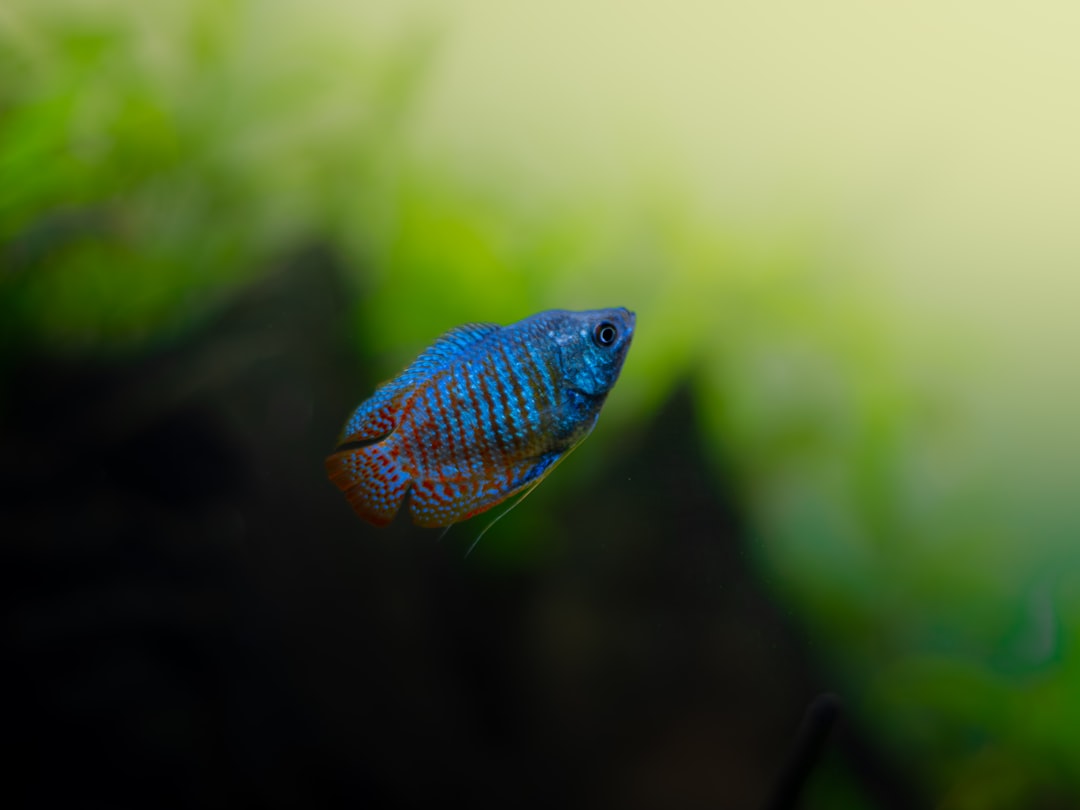
The dwarf gourami (Trichogaster lalius, formerly Colisa lalia) is one of the most visually stunning small fish available for freshwater aquariums. Males display vivid colours — electric blues, fiery reds and shimmering neons — that rival any marine fish. Their gentle temperament, labyrinth breathing and bubble nest building make them endlessly interesting to observe.
However, we would not be doing you a service without an honest discussion of the dwarf gourami’s Achilles heel: the prevalence of dwarf gourami iridovirus (DGIV), which has plagued commercially bred stock for years. This guide covers both the appeal and the challenges, so you can make an informed decision.
Colour Varieties
Selective breeding has produced several distinct colour forms of the dwarf gourami, all of which share the same care requirements.
| Variety | Description |
|---|---|
| Wild-type / Striped | Alternating diagonal stripes of metallic blue and orange-red; the original and arguably most beautiful form |
| Powder Blue | Almost entirely iridescent blue with minimal red; very striking under good lighting |
| Flame / Red | Solid deep red-orange body with blue dorsal fin edge; bold and eye-catching |
| Neon Blue | Intensified blue striping with brighter colouration; a more vivid version of the wild-type |
| Robin Red | Similar to flame but with more defined red colouration across the body |
A Note on Honey Gouramis
The honey gourami (Trichogaster chuna) is frequently confused with the dwarf gourami and sometimes even sold under the same name. Despite superficial similarities, they are entirely different species. Honey gouramis are smaller (4-5 cm vs 6-8 cm), naturally golden-amber in colour, and — crucially — do not suffer from the DGIV issues that plague dwarf gouramis. If the disease risk concerns you (and it should be part of your consideration), honey gouramis are an excellent, hardier alternative.
The Labyrinth Organ
Like all gouramis and bettas, dwarf gouramis possess a labyrinth organ — a specialised respiratory structure that allows them to breathe atmospheric air directly. You will regularly see your dwarf gourami rise to the surface, take a gulp of air and return to its normal position.
This adaptation means:
- Dwarf gouramis can survive in lower-oxygen water than many fish (though you should still maintain good oxygenation)
- They need access to the water surface — do not completely cover the surface with floating plants
- The air above the water should be warm and humid. In Singapore’s climate, this is naturally the case, but a lid helps maintain the warm, moist air layer that prevents damage to the labyrinth organ from breathing cold, dry air
Tank Size and Setup
Dwarf gouramis reach 6-8 cm and are relatively sedentary compared to active swimmers like danios or swordtails. They spend much of their time hovering among plants or near the surface.
- Minimum: 40 litres for a single male
- Recommended: 60-80 litres for a pair or small community
- Ideal: 100+ litres for multiple gouramis with other species
Aquascaping for Dwarf Gouramis
These fish feel most secure in well-planted tanks with subdued lighting. An ideal setup includes:
- Dense plant cover — tall background plants (Vallisneria, Hygrophila) and midground plants (Java fern, Cryptocoryne)
- Floating plants — water lettuce, frogbit or Salvinia provide shade and security. Leave some surface clear for air-breathing and feeding
- Driftwood and rocks — create visual barriers and territories
- Gentle filtration — dwarf gouramis dislike strong currents. A sponge filter or a hang-on-back filter with baffled outflow is ideal
- Subdued lighting — bright, unshaded lights stress dwarf gouramis. Floating plants naturally diffuse light
Water Parameters
| Parameter | Ideal Range | Singapore Tap Water |
|---|---|---|
| Temperature | 25-28°C | 28-32°C (acceptable; fan in hot months) |
| pH | 6.0-7.5 | ~7.0-8.0 (slightly high; driftwood helps) |
| GH | 4-10 dGH | May benefit from slight softening |
| Ammonia/Nitrite | 0 ppm | Must be cycled |
| Nitrate | Below 20 ppm | Weekly water changes essential |
Dwarf gouramis are sensitive to water quality — more so than hardier livebearers. Keep up with weekly 25-30% water changes and avoid overstocking. Singapore’s slightly alkaline tap water is on the higher end of their preferred range, but adding driftwood and Indian almond leaves naturally lowers pH and adds beneficial tannins. These additions also mimic the blackwater-influenced habitats dwarf gouramis come from.
Pristine water quality is especially important given the DGIV susceptibility discussed below. Stress and poor conditions can trigger latent infections.
Feeding
Dwarf gouramis are not fussy eaters. They accept a wide range of foods and will feed at all tank levels, though they prefer the surface and midwater.
- Staple: High-quality micro pellets or small tropical flakes
- Protein: Frozen or live daphnia, baby brine shrimp and bloodworms — excellent for enhancing colour
- Vegetable: Spirulina-based foods, blanched peas
- Live food: If available, live mosquito larvae and small insects are eagerly accepted and mimic their natural diet
Feed small amounts once or twice daily. Dwarf gouramis have small mouths, so ensure food particles are appropriately sized. Frozen bloodworms and brine shrimp are particularly good for bringing out the vibrant colours that make these fish so appealing.
The DGIV Issue: An Honest Assessment
We believe in being transparent with our customers, and the dwarf gourami iridovirus (DGIV, also called dwarf gourami disease or DGD) is something every prospective dwarf gourami keeper needs to understand.
What Is DGIV?
DGIV is a viral infection specific to dwarf gouramis (it does not affect other gourami species or tank mates). Studies have found infection rates as high as 22% in commercially bred stock from Southeast Asian farms, with some estimates running even higher.
Symptoms
- Loss of colour and appetite
- Lethargy and withdrawal
- Bloating or abdominal swelling
- Skin lesions or sores
- Fading or darkening of body colour
- Death, typically within weeks to months of symptom onset
The Difficult Truth
There is no cure for DGIV. Infected fish are carriers for life, and stress — from transport, water quality issues, or aggressive tank mates — often triggers active disease in previously asymptomatic carriers. The virus is so widespread in commercial breeding operations that it is virtually impossible to guarantee DGIV-free stock.
Mitigation Strategies
- Buy from reputable sources that quarantine incoming stock and observe for symptoms before selling
- Quarantine new fish for a minimum of four weeks before adding to your main tank
- Minimise stress — provide excellent water quality, appropriate tank mates and plenty of hiding spots
- Avoid overcrowding — stress is the primary trigger for latent infections
- Consider alternatives — honey gouramis and pearl gouramis offer similar appeal without the DGIV risk
None of this means you should not keep dwarf gouramis. Many specimens live full, healthy lives of three to four years. But going in with realistic expectations is important. If you lose a dwarf gourami to apparent illness within the first few months despite good care, DGIV is a likely cause — and it is not your fault.
Tank Mates
Dwarf gouramis are peaceful but can be shy. They do best with calm, non-aggressive tank mates that will not outcompete them for food or bully them.
Good Tank Mates
- Small tetras — neon tetras, ember tetras, cardinal tetras (see our neon tetra care guide)
- Harlequin rasboras — peaceful and complementary
- Corydoras catfish — gentle bottom-dwellers
- Otocinclus — small, peaceful algae eaters
- Cherry shrimp — mostly ignored, though very small shrimp may be eaten
- Kuhli loaches — shy bottom-dwellers that keep to themselves
Avoid
- Other dwarf gouramis (males) — two males in a small tank will fight. Keep one male per tank unless the tank is large (120+ litres) with heavy planting
- Bettas — both are labyrinth fish and males are likely to clash
- Tiger barbs and other nippy species — will harass the gourami
- Large, aggressive cichlids — will intimidate or attack
- Fast, boisterous fish — active fish like giant danios can stress dwarf gouramis
Breeding and Bubble Nests
Male dwarf gouramis build elaborate bubble nests at the water surface — one of the most fascinating behaviours in the freshwater hobby. The male gulps air and blows mucus-coated bubbles, often incorporating plant material to create a floating structure among vegetation.
The Breeding Process
- The male constructs a bubble nest, typically among floating plants
- He displays to the female with intensified colours and spreads his fins
- The pair embraces in a spawning clasp beneath the nest; the female releases eggs which the male fertilises and catches in his mouth
- The male places each egg into the bubble nest
- The female should be removed after spawning, as the male becomes aggressively protective
- The male guards the nest and tends the eggs, repairing any burst bubbles and replacing fallen eggs
- Eggs hatch in 24-48 hours; fry become free-swimming in 3-4 days
Fry are tiny and require infusoria or commercial liquid fry food for the first week, graduating to baby brine shrimp as they grow. Raising dwarf gourami fry is challenging due to their small size but very rewarding.
Note that males will build bubble nests even without a female present. Finding a bubble nest in your tank is normal male behaviour, not necessarily a sign that breeding is imminent.
Frequently Asked Questions
Can I keep two male dwarf gouramis together?
In most home aquariums, no. Two males in a tank under 120 litres will almost certainly fight, with the dominant male stressing the subordinate into hiding, refusing food, and eventually declining in health. In larger, heavily planted tanks (150+ litres), two males may coexist if each can establish a territory, but this is not guaranteed. A single male with one or two females is the safest combination.
Why is my dwarf gourami hiding all the time?
Some shyness is normal, especially in the first few weeks after purchase. However, persistent hiding often indicates stress from aggressive tank mates, insufficient plant cover, overly bright lighting, or illness. Check water parameters, ensure there are no bullies in the tank, add more plants and floating cover, and observe for any physical signs of disease. A healthy, comfortable dwarf gourami will explore its tank, especially during feeding time.
Is a dwarf gourami a good centrepiece fish?
Yes, a single male dwarf gourami makes an excellent centrepiece for a smaller community tank (60-80 litres). Their vivid colours and calm demeanour create a natural focal point. Pair them with a school of small tetras or rasboras and some corydoras for a classic, balanced community. For larger tanks, consider the pearl gourami as an equally striking but hardier alternative.
How long do dwarf gouramis live?
In good conditions, dwarf gouramis live three to five years. However, the prevalence of DGIV means that some commercially bred individuals have shorter lifespans regardless of the care they receive. Purchasing from reputable dealers who quarantine stock and maintaining excellent water quality gives your fish the best chance at a full lifespan.
Despite the DGIV challenge, dwarf gouramis remain one of the most beautiful and fascinating freshwater fish available. If you would like to add one to your tank — or explore hardier alternatives — visit us at Gensou’s Everton Park shop. Our maintenance team can also help ensure your water quality stays optimal for these sensitive fish.
Related Reading



