
Clownfish Care Guide: Nemo in Your Living Room
Choosing Your Clownfish Species
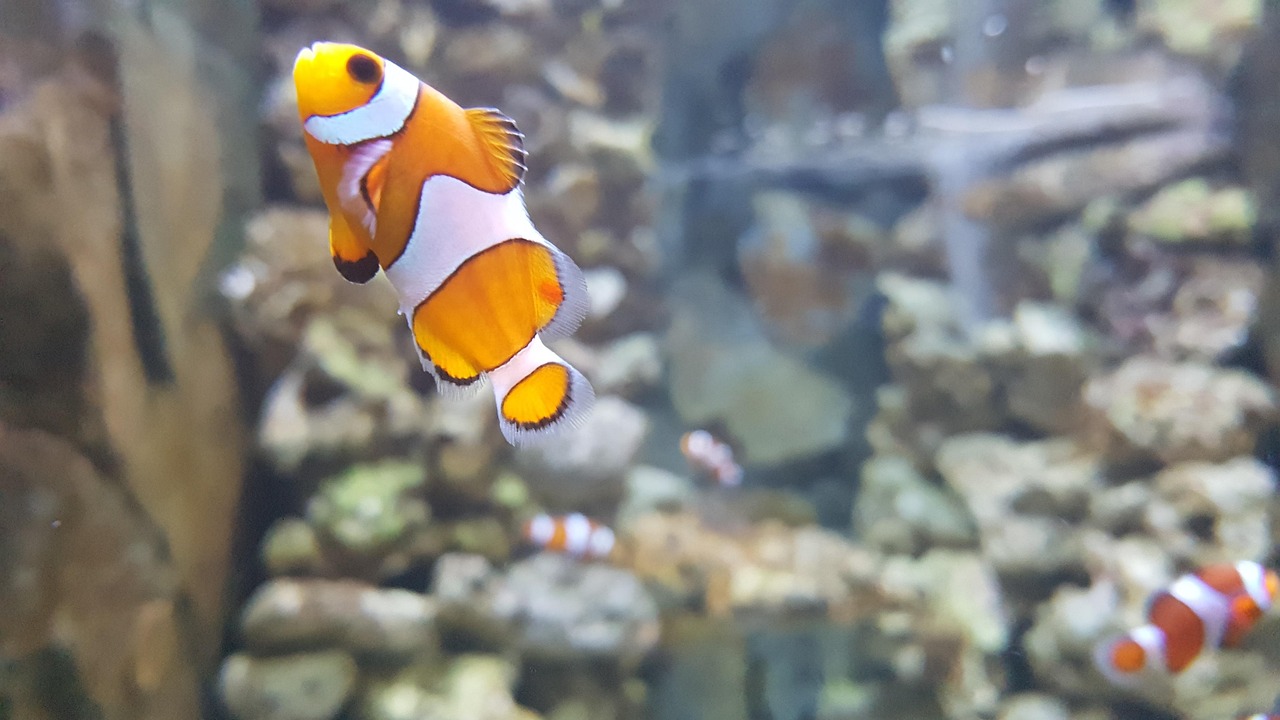
When most people say they want “Nemo,” they are referring to the ocellaris clownfish (Amphiprion ocellaris), also called the false percula clownfish. This is the most widely available, hardiest, and most affordable species — and the best choice for beginners. This guide sits inside our broader Saltwater Reef Tank Master Guide reference.
The true percula clownfish (Amphiprion percula) looks almost identical but is slightly less common and generally a touch more expensive. The visual difference is subtle: true perculas tend to have thicker black outlines around their white bands. In practice, either species makes an excellent aquarium fish.
Beyond the classic orange-and-white variety, captive breeding has produced stunning designer clownfish: snowflake, black ice, platinum, mocha, and many more. These are the same species with different colour morphs — care requirements are identical. Designer variants command higher prices but are purely an aesthetic choice.
Other Clownfish Species Worth Considering
- Maroon clownfish (Premnas biaculeatus): Larger and more aggressive. Beautiful but can bully tank mates. Needs more space.
- Clarkii clownfish (Amphiprion clarkii): Hardy and accepts a wide range of anemone hosts. A good intermediate choice.
- Tomato clownfish (Amphiprion frenatus): Bold red colouration but semi-aggressive. Best kept as a pair in a dedicated setup.
Captive-Bred vs Wild-Caught
Always choose captive-bred clownfish. This is not merely an ethical recommendation — it is practical advice. Captive-bred clownfish are hardier, eat prepared foods readily from day one, carry fewer parasites and diseases, and acclimatise to aquarium life far more easily.
In Singapore, captive-bred ocellaris and designer clownfish are widely available from local marine fish shops. They typically cost between $15 and $50 for standard varieties, with designer morphs ranging from $50 to several hundred dollars depending on rarity.
Wild-caught clownfish may carry marine ich (Cryptocaryon) or Brooklynella (clownfish disease) and often refuse to eat for days after capture and shipping. The slight cost saving is simply not worth the risk and stress.
Tank Setup and Water Parameters
Clownfish are among the hardiest marine fish, but they still require a properly cycled saltwater aquarium with stable parameters.
Minimum Tank Size
A pair of ocellaris clownfish can thrive in a nano reef tank as small as 60 litres. For a small community with a few corals and additional fish, 120 litres or more is recommended. Larger clownfish species like maroons need a minimum of 150 litres.
Water Parameters
| Parameter | Target Range |
|---|---|
| Specific gravity | 1.024 – 1.026 |
| Temperature | 24 – 26°C |
| pH | 8.0 – 8.4 |
| Ammonia | 0 ppm |
| Nitrite | 0 ppm |
| Nitrate | Below 20 ppm |
| Alkalinity (dKH) | 8 – 12 |
| Calcium | 380 – 450 ppm |
In Singapore, maintaining temperatures of 24-26°C means a chiller is essential. Without one, your tank will sit at 28-32°C — survivable for clownfish short term but stressful long term and problematic for most corals and anemones. See our reef tank setup guide for detailed equipment recommendations.
Anemone Hosting — Not Required
One of the biggest misconceptions in marine fishkeeping is that clownfish need an anemone. They do not. In the wild, anemones provide protection from predators, but in a predator-free aquarium, clownfish are perfectly content without one.
In fact, anemones are far more demanding than clownfish themselves. Host anemones like the bubble-tip anemone (Entacmaea quadricolor) require strong lighting, stable water chemistry, and a mature tank — they are not suitable for beginners.
What Clownfish Will Host Instead
Captive-bred clownfish, having never seen an anemone, will happily adopt substitutes:
- Torch corals (Euphyllia glabrescens) — a favourite among captive-bred ocellaris
- Hammer corals (Euphyllia ancora)
- Frogspawn corals (Euphyllia divisa)
- Toadstool leather corals
- Powerhead intakes (not ideal — use a guard)
- Corners of the tank or specific rock formations
Many hobbyists find it endearing when their clownfish chooses an unexpected host. This is completely normal behaviour and not a cause for concern.
Pairing Behaviour and Social Dynamics
Clownfish have a fascinating social structure. All clownfish are born male. In a group, the largest and most dominant individual will change sex to become female. The next largest becomes the breeding male. All remaining fish stay as non-breeding males.
In an aquarium, the easiest way to form a pair is to buy two juveniles of different sizes. The larger one will eventually become the female, and the smaller one becomes the breeding male. Alternatively, buy an established pair — many Singapore marine shops sell bonded pairs.
Once a pair is established, they are devoted to each other and will defend their chosen territory (usually around their host). Avoid adding a third clownfish of the same species to an established pair — it will almost certainly be bullied relentlessly.
Feeding Your Clownfish
Clownfish are omnivores and enthusiastic eaters. A varied diet keeps them healthy and vibrant.
- Staple: High-quality marine pellets or flakes (New Life Spectrum, Hikari Marine, Ocean Nutrition)
- Frozen foods: Mysis shrimp, brine shrimp, chopped krill (2-3 times per week)
- Enrichment: Finely chopped nori (seaweed), spirulina flakes
Feed small amounts twice daily. Clownfish have small stomachs but enthusiastic appetites — overfeeding is a common mistake that degrades water quality quickly in marine tanks.
Compatible Tank Mates
Ocellaris clownfish are peaceful by marine fish standards. Good tank mates include:
- Royal gramma
- Firefish goby
- Yellow watchman goby
- Bangaii cardinalfish
- Six-line wrasse (may be semi-aggressive in small tanks)
- Cleaner shrimp and snails
- Most soft and LPS corals
Avoid housing clownfish with large aggressive species like triggers, large angels, or lionfish. Also avoid mixing different clownfish species in the same tank unless it is very large (400+ litres) — territorial disputes can be severe.
Common Diseases and Treatment
Marine Ich (Cryptocaryon irritans)
White spots on the body and fins, rapid breathing, flashing against rocks. Treat with copper-based medication in a quarantine tank. Never add copper to a reef display — it kills invertebrates and corals.
Brooklynella (Clownfish Disease)
A serious parasitic infection most common in wild-caught specimens. Symptoms include excess slime coat, rapid breathing, and lethargy. Requires formalin treatment in quarantine. This is one more reason to choose captive-bred fish.
Fin Rot and Bacterial Infections
Usually secondary to poor water quality or stress. Improve water parameters, increase water changes, and treat with marine-safe antibiotics if needed.
Quarantine all new fish for 4-6 weeks before adding them to your display tank. This single practice prevents the vast majority of disease outbreaks.
Essential Equipment for Singapore
Running a clownfish tank in Singapore requires a few additions compared to temperate climates:
- Chiller: Essential to maintain 24-26°C. Budget $400-$1,500 depending on tank size. This is the single most important piece of equipment for marine fishkeeping in Singapore.
- RO/DI unit: Singapore’s tap water contains chloramine and dissolved minerals that are problematic for saltwater mixing. An RO/DI unit produces pure water for salt mixing and top-offs.
- Protein skimmer: Removes dissolved organics before they break down. Critical for water quality in marine tanks.
- Quality salt mix: Reef-grade salt for reef tanks, or standard marine salt for fish-only setups.
- Test kits: At minimum: salinity (refractometer), ammonia, nitrite, nitrate, pH, alkalinity.
For a comprehensive breakdown of equipment and costs, refer to our marine aquarium services page or the detailed marine equipment checklist.
Frequently Asked Questions
Can I keep a single clownfish on its own?
Yes. A single clownfish will be perfectly healthy and content on its own. However, watching a bonded pair interact is one of the joys of keeping clownfish, so a pair is recommended if space allows. A 60-litre tank comfortably houses a pair.
Do I need a large tank to keep clownfish?
No. Clownfish are naturally territorial and stay close to their host — they do not roam far. A nano reef of 60 litres is sufficient for a pair of ocellaris clownfish. Larger tanks simply allow more tank mates and corals.
How long do clownfish live?
Captive clownfish can live 10-15 years or more with proper care. Some hobbyists have reported clownfish living beyond 20 years. They are a genuine long-term commitment.
Will my clownfish host a bubble-tip anemone?
Captive-bred clownfish may or may not host a bubble-tip anemone. They often take weeks or months to discover it, and some never do. Do not buy an anemone solely for the purpose of hosting — buy it because you want to keep an anemone and are prepared for its care requirements.
Ready to bring Nemo home? Gensou has been setting up marine aquariums across Singapore for over 20 years. Whether you need a complete marine aquarium setup or advice on choosing your first clownfish pair, visit us at 5 Everton Park or contact us for a consultation.
Related Reading



