
Discus Fish Care Guide: The King of the Aquarium
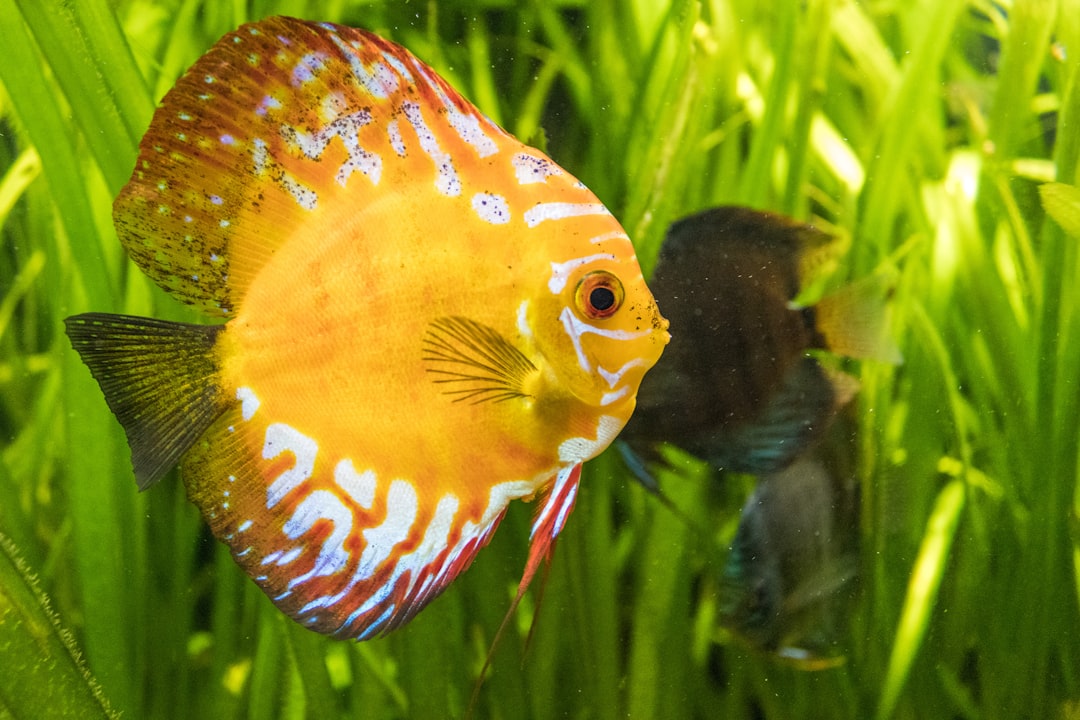
There is a reason discus fish are called the king of the aquarium. Their disc-shaped bodies, regal bearing and extraordinary range of colours make them unlike anything else in freshwater fishkeeping. But alongside that majesty comes a reputation: discus are considered an advanced fish, demanding in their requirements and unforgiving of mistakes. So is the reputation deserved? This guide sits inside our broader Tropical Fish Species Master Index reference.
In some ways, yes — discus are more sensitive than your average community fish. But here is the twist that Singapore fishkeepers should know: our tropical climate is actually a significant advantage. Discus need consistently warm water, and Singapore delivers that naturally. This comprehensive discus fish care guide will show you how to succeed with these magnificent cichlids in a Singapore home.
Wild vs Captive-Bred Discus
Understanding the distinction between wild-caught and captive-bred discus is fundamental to success with this species.
Wild-Caught Discus
Wild discus (Symphysodon species) originate from the Amazon basin’s soft, acidic blackwater environments. They are beautiful in a subtle, natural way — browns, greens and blues with characteristic vertical bars. However, wild discus require very soft, acidic water (pH 5.0-6.5) and are highly sensitive to water chemistry changes. They are best left to experienced keepers.
Captive-Bred Discus
The vast majority of discus available in Singapore’s fish shops are captive-bred, often from Malaysian, Thai or local Singaporean breeders. These fish have been raised in conditions closer to typical tap water and are significantly more tolerant of higher pH and harder water. For most hobbyists, captive-bred discus are the sensible choice — they are hardier, more colourful and considerably less expensive.
Popular Varieties and Pricing
Decades of selective breeding have produced an astonishing range of discus varieties.
| Variety | Description | Approximate Price (SGD) |
|---|---|---|
| Blue Diamond | Solid, intense blue body | $30-80 |
| Red Melon | Deep red-orange base with minimal patterning | $30-80 |
| Pigeon Blood | White/cream body with red/orange speckles | $25-60 |
| Turquoise | Blue-green striations over a brown or red base | $25-70 |
| Leopard/Snakeskin | Intricate spotted or striped patterning | $30-80 |
| White/Snow White | Pure white or cream body | $35-100 |
| Wild-caught | Natural colouration — Heckel, green, brown | $80-300+ |
Prices vary significantly based on size, quality, lineage and source. Juvenile discus (5-7cm) are cheaper but require more careful rearing. Sub-adults (10-12cm) are more resilient and a safer investment for beginners.
Tank Setup
Discus are large fish — adults reach 15-20cm in diameter — and they must be kept in groups. This means you need a substantial tank.
| Parameter | Recommendation |
|---|---|
| Minimum tank volume | 200 litres for a small group |
| Ideal tank volume | 300-500 litres for 5-8 adults |
| Minimum tank height | 45cm (50cm+ preferred) |
| Filtration | Strong biological filtration; canister filters ideal |
| Water flow | Gentle to moderate |
Bare Bottom vs Planted
This is one of the great debates in the discus hobby.
Bare bottom tanks are the traditional approach among dedicated discus breeders and keepers. Without substrate, uneaten food and waste are easily spotted and siphoned out, making it simpler to maintain the pristine water quality discus demand. The aesthetic is clinical, but the practicality is undeniable — especially for growing out juvenile discus.
Planted discus tanks are increasingly popular and, when done well, are truly spectacular. The challenge is maintaining plant-friendly conditions that also suit discus. The key considerations are:
- Temperature — Discus need 28-30°C, which limits plant choices to heat-tolerant species like Anubias, Java fern, Echinodorus (Amazon swords) and Vallisneria.
- Cleaning — Substrate makes waste removal harder, so more diligent maintenance is needed.
- CO2 injection — Compatible with discus, but ensure pH does not swing dramatically.
For beginners, a bare bottom or thin sand substrate tank is recommended until you are confident in your water quality management. Graduate to a planted setup once you have the routine established.
Water Parameters for Singapore
Here is where Singapore fishkeepers have a genuine advantage. Discus are warm-water fish — they need a consistent 28-30°C, and they suffer badly if temperatures drop below 26°C. In most countries, keepers run multiple heaters and worry about power outages. In Singapore, your ambient room temperature already provides the warmth discus need.
| Parameter | Ideal Range |
|---|---|
| Temperature | 28-30°C (SG ambient — perfect!) |
| pH | 6.0-7.0 (captive-bred tolerate up to 7.5) |
| GH | 1-8 dGH |
| KH | 1-5 dKH |
| Ammonia/Nitrite | 0 ppm (absolutely non-negotiable) |
| Nitrate | Below 10 ppm (below 5 ppm is ideal) |
Singapore’s PUB tap water at pH 7-8 is workable for captive-bred discus, but many serious keepers bring the pH down using RO water, peat filtration or Indian almond leaves. Always dechlorinate thoroughly — PUB uses chloramine, which requires a dechlorinator that specifically addresses chloramine, not just chlorine.
The single most critical factor is water change consistency. Many experienced discus keepers perform daily water changes of 20-30% for growing juveniles, and at minimum 50% weekly for adult tanks. This dilutes hormones, waste products and keeps nitrates near zero.
Feeding and Diet
Discus have excellent appetites and need a rich, varied diet to achieve their full colour and growth potential.
Recommended Diet
- Beefheart mix — A long-standing tradition in discus keeping. Minced beefheart mixed with vitamins, garlic, spirulina and sometimes shrimp. High in protein and readily accepted. Home-made recipes abound in the discus community.
- High-quality pellets — Dedicated discus pellets from reputable brands. Convenient and nutritionally balanced.
- Frozen foods — Bloodworms (a favourite), brine shrimp, mysis shrimp, white mosquito larvae.
- Live foods — Blackworms, daphnia, brine shrimp. Excellent for conditioning but source carefully to avoid introducing parasites.
Feed adult discus 2-3 times daily, juveniles 4-5 times. Discus are slow, deliberate feeders — ensure they get their share if housed with faster tank mates. Remove uneaten food promptly.
Social Behaviour
Discus are social fish that must be kept in groups. A minimum of five is recommended; a single discus or a pair will often be stressed, hide constantly and fail to display their best colours.
Within a group, discus establish a hierarchy. You will observe a dominant fish — typically the largest — asserting itself with displays and occasional chasing. This is normal. Problems arise when a group is too small (two or three fish), as the dominant individual may bully a single target relentlessly.
Tips for a Harmonious Group
- Keep five or more to diffuse aggression
- Add discus of similar size — large size differences lead to bullying
- Provide a spacious tank so subordinate fish can retreat
- Watch for a “dark” or “barred” fish hiding in the corner — this is a stress signal
Common Diseases
Discus are susceptible to several health issues. Early detection and clean water are your best defences.
Hole in the Head (HITH)
Presents as small pits or erosions on the head and lateral line. Often linked to poor water quality, nutritional deficiencies (especially lack of vitamins) and the flagellate parasite Hexamita. Improve water quality, vary the diet and treat with metronidazole if necessary.
Internal Parasites
Symptoms include white, stringy faeces, weight loss despite eating, and a pinched belly appearance. Common in newly imported discus. Treat with anti-parasitic medications — many experienced keepers prophylactically deworm new discus during quarantine.
Gill Flukes and Skin Flukes
Discus may scratch against objects, breathe rapidly or produce excess mucus. Praziquantel-based treatments are effective.
Discus Plague
A catch-all term for a highly contagious condition characterised by darkening, excessive slime coat production, lethargy and rapid deterioration. Often triggered by mixing discus from different sources without quarantine. There is no reliable cure — prevention through strict quarantine is essential.
Quarantine all new discus for a minimum of two weeks before adding them to an established group. This single practice prevents the vast majority of disease introductions.
Tank Mates
Choosing tank mates for discus is straightforward once you understand the constraints: they must tolerate 28-30°C water and must not be aggressive, nippy or so fast that they outcompete discus for food.
Compatible Tank Mates
- Sterbai corydoras — One of the few corydoras species that thrives at discus temperatures
- Cardinal tetras — Classic discus companions; tolerate warm water well
- Rummynose tetras — Excellent warm-water schoolers
- Bristlenose plecos — Hardy algae control that tolerate the warmth
- Ram cichlids — Share the same warm-water preference
Incompatible Tank Mates
- Most barbs and danios — Too boisterous, outcompete for food
- Aggressive cichlids — Will stress and bully discus
- Common plecos — Grow huge and may latch onto discus for mucus
- Cold-water species — Cannot tolerate the elevated temperatures
Frequently Asked Questions
Are discus really that hard to keep?
Discus are more demanding than the average community fish, but they are not impossibly difficult. The keys are a large, mature tank, consistent water changes, quality food and buying healthy stock. In Singapore, the warm climate eliminates one of the biggest challenges — maintaining high temperatures. If you are diligent with maintenance, discus are achievable.
How many discus should I keep together?
A minimum of five is recommended. In smaller groups, dominant individuals bully subordinates excessively. A group of six to eight in a 300-litre or larger tank is ideal. All fish should be of similar size when introduced.
Can I keep discus in a planted tank?
Yes, and a well-designed planted discus tank is one of the most beautiful things in the hobby. Choose heat-tolerant plants like Anubias, Java fern, Amazon swords and Vallisneria. Be prepared for more intensive maintenance compared to a bare-bottom setup.
How much do discus cost in Singapore?
Captive-bred juveniles start from around $25-40 SGD, while quality sub-adults and adults range from $50-100+ depending on variety, size and lineage. Premium strains and show-quality fish can command significantly higher prices. Wild-caught discus are the most expensive, often $80-300+ per fish.
Related Reading
- Blue Acara Cichlid Care Guide: The Overlooked Gem
- Acei Cichlid Care Guide: The Peaceful Mbuna Exception
- African Butterfly Fish Care Guide: The Ancient Surface Predator
- African Butterfly Fish Feeding Guide: Live Food and Surface Prey
- African Butterfly Fish Tank Mates: Compatible Surface Companions
Experience the King of the Aquarium
Discus fish represent the pinnacle of freshwater fishkeeping. They demand more from their keepers than most species — but they reward that dedication with beauty and presence that no other freshwater fish can match. And in Singapore, our warm climate gives us a natural head start that fishkeepers in temperate countries would envy.
Thinking about a discus setup? Gensou has over 20 years of experience designing and maintaining premium aquariums across Singapore. From custom tank builds to ongoing maintenance services, we can help you create a world-class discus display. Visit us at 5 Everton Park or get in touch to discuss your vision.



