
Limnophila Sessiliflora Guide: The Easier Alternative to Cabomba
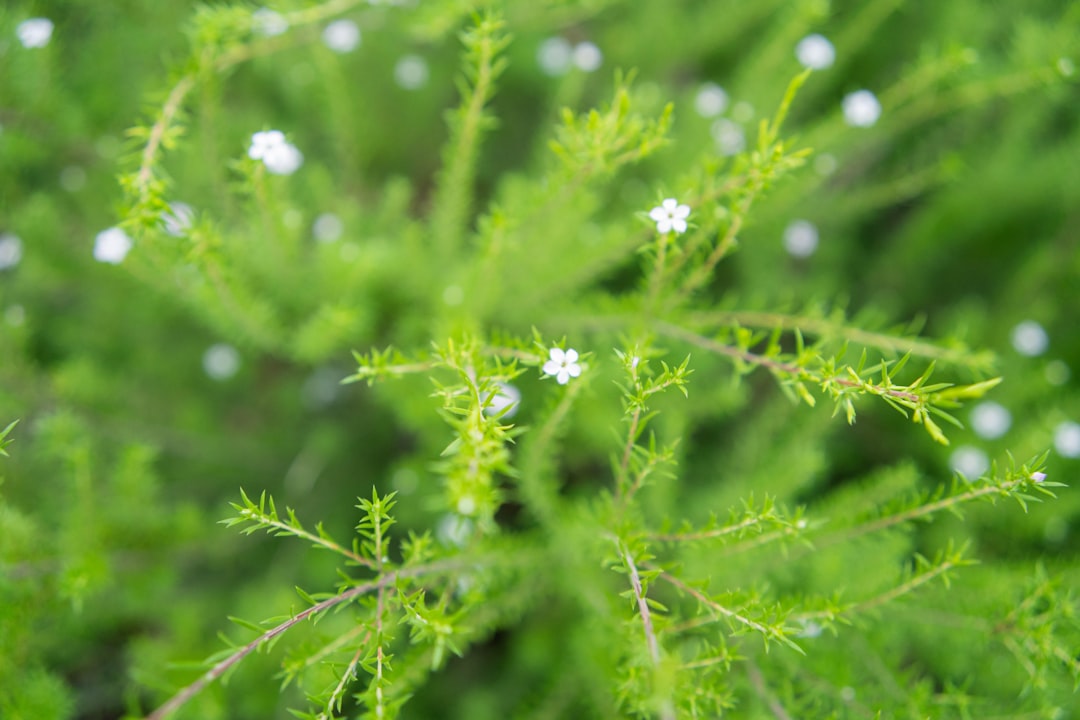
Table of Contents
- What Is Limnophila Sessiliflora?
- Appearance: Feathery Elegance
- Care Requirements
- Growth Rate and Propagation
- Aquascaping Uses
- Oxygenating Ability
- Limnophila Sessiliflora vs Cabomba
- Singapore-Specific Care
- Frequently Asked Questions
What Is Limnophila Sessiliflora?
Limnophila sessiliflora, commonly known as ambulia or Asian marshweed, is a fast-growing stem plant native to tropical Asia. Its whorls of finely divided, feathery leaves make it one of the most attractive background plants available, and its undemanding nature makes it accessible to beginners who might struggle with similar-looking but far fussier species. This guide sits inside our broader Planted Tank Complete Hub reference.
If you have ever admired the delicate, pine-tree-like foliage of Cabomba but found it melted in your tank within weeks, Limnophila sessiliflora is the plant you should have bought instead. It delivers nearly the same visual effect with a fraction of the difficulty, thriving in conditions that would cause Cabomba to disintegrate.
Appearance: Feathery Elegance
Each stem of Limnophila sessiliflora bears whorls of finely pinnate leaves arranged at regular intervals along the stem. The leaves are bright to medium green, with each individual leaflet so fine that the overall effect is soft and feathery rather than coarse. When planted in groups of ten or more stems, the collective visual impact is a lush, textured wall of green that sways gently in the current.
The plant grows vertically, reaching 30 to 50 centimetres in height under typical aquarium conditions. Stems are moderately thick and self-supporting, so the plant maintains an upright form without flopping or tangling, unlike some stem plants that become a messy tangle at the surface.
Under higher light, the leaf tips and new growth may develop a reddish or pinkish tint, adding subtle colour variation to what is primarily a green plant. This colour response intensifies with iron supplementation.
Care Requirements
Limnophila sessiliflora is one of the most forgiving stem plants in the hobby. Its care requirements are modest, and it adapts to a wide range of conditions.
| Parameter | Range | Notes |
|---|---|---|
| Light | Low to high | Grows under almost any light; denser growth under medium-high |
| CO2 | Not required | Grows well without; CO2 accelerates growth significantly |
| Temperature | 22-30 degrees Celsius | Comfortable in Singapore’s ambient warmth |
| pH | 6.0-8.0 | Highly adaptable |
| Substrate | Any (prefers nutrient-rich) | Roots readily in sand, gravel, or aquasoil |
| Nutrients | Low to moderate | Benefits from liquid fertiliser but not dependent on it |
Light
Under low light, Limnophila sessiliflora grows more slowly with wider spacing between leaf whorls, resulting in a leggier appearance. Under medium to high light, the whorls are tightly spaced, producing the dense, bushy look that makes this plant so attractive. Even a basic LED fixture provides enough light for healthy growth, though the plant looks its best under moderate intensity.
CO2
This is where Limnophila sessiliflora truly shines as a beginner-friendly plant: it grows beautifully without CO2 injection. In a low-tech tank with no CO2, decent light and regular water-column dosing, the plant puts out steady, healthy growth. Adding CO2 dramatically accelerates growth and produces tighter, lusher foliage, but it is genuinely optional.
Substrate
The plant roots readily in virtually any substrate. Fine gravel, sand, and aquasoil all work well. Its root system is not particularly extensive, drawing most of its nutrients from the water column rather than the substrate. This makes it an excellent choice for tanks with inert substrates where root-feeding plants might struggle.
Growth Rate and Propagation
Limnophila sessiliflora is a fast grower. Under favourable conditions, stems can add five to ten centimetres per week, reaching the water surface in a matter of weeks from a mid-tank planting height. This rapid growth is both a benefit (quick results, effective nutrient absorption) and a maintenance commitment (regular trimming required).
Propagation by Cuttings
Propagation could not be simpler. Cut any stem at the desired height, and replant the top cutting directly into the substrate. The cutting roots within days and continues growing as if nothing happened. The remaining stump produces one or more side shoots, effectively doubling your plant count with each trim.
- Cut the stem cleanly with sharp scissors, leaving at least five centimetres of the lower portion rooted in the substrate.
- Remove the lowest whorl or two of leaves from the cutting, exposing bare stem that will be buried.
- Push the cutting two to three centimetres into the substrate.
- The cutting roots within three to five days and begins new growth within a week.
This ease of propagation means you can start with a small number of stems and quickly build up a dense background planting. Five stems can become twenty within a month through regular trimming and replanting.
Aquascaping Uses
Limnophila sessiliflora is almost exclusively used as a background plant, and it excels in this role. Its height, vertical growth habit, and feathery texture make it ideal for filling the back of a tank with a lush wall of green.
Placement Tips
- Background wall: Plant a row of stems across the entire back of the tank, spacing them two to three centimetres apart. As they grow and branch, they merge into a seamless green backdrop.
- Corner accent: A cluster of 10 to 15 stems in one rear corner creates a natural focal point, particularly effective when contrasted with a different plant species in the opposite corner.
- Behind hardscape: Planted behind large rocks or driftwood, the feathery fronds soften the hard edges of the hardscape and add depth to the layout.
- Fish cover: The dense foliage provides shelter for small fish and fry, making it a functional as well as aesthetic choice for community tanks.
Oxygenating Ability
Limnophila sessiliflora is an impressive oxygenator. During photosynthesis, streams of fine oxygen bubbles (pearling) are often visible rising from the leaf tips, even in tanks without CO2 injection. This oxygen production benefits the entire tank ecosystem, supporting beneficial bacteria in the filter, providing dissolved oxygen for fish, and creating a healthy aerobic environment at the substrate level.
For this reason, Limnophila sessiliflora is an excellent addition to heavily stocked community tanks where dissolved oxygen levels may be a concern. It is also valuable in shrimp breeding setups, where stable oxygen levels are critical for moult survival.
Limnophila Sessiliflora vs Cabomba
This is the comparison that matters most, because these two plants look remarkably similar but behave very differently in aquarium conditions.
| Factor | Limnophila Sessiliflora | Cabomba caroliniana |
|---|---|---|
| Appearance | Feathery whorls, bright green | Fan-shaped divided leaves, green |
| Light requirement | Low to high (very adaptable) | Medium to high (suffers under low light) |
| CO2 requirement | Optional | Strongly recommended |
| Growth rate | Fast | Moderate to fast |
| Resilience | Very hardy, difficult to kill | Prone to melting, shedding leaves |
| Temperature tolerance | Wide range (22-30 degrees) | Prefers cooler (20-26 degrees) |
| Suitability for Singapore | Excellent | Challenging (too warm without chiller) |
Cabomba is notorious for melting in home aquariums. It looks beautiful in the shop tank but often deteriorates within weeks of being placed in a hobbyist’s setup, shedding its lower leaves and leaving bare stems. The primary causes are insufficient light, lack of CO2, and temperatures above 26 degrees Celsius, all common conditions in Singapore home tanks.
Limnophila sessiliflora tolerates all of these conditions without complaint. It maintains its foliage under low light, grows perfectly well without CO2, and thrives at Singapore’s ambient temperatures. If you want the feathery background look, choose Limnophila sessiliflora and spare yourself the frustration of watching Cabomba disintegrate.
Singapore-Specific Care
Limnophila sessiliflora is exceptionally well suited to Singapore conditions. Its native range includes tropical Asia, so the warm temperatures of 28 to 32 degrees Celsius in non-air-conditioned rooms are well within its natural comfort zone. Unlike Cabomba, which struggles above 26 degrees, Limnophila sessiliflora does not require a chiller or air-conditioned room to thrive.
PUB-treated tap water contains chloramine, which must be neutralised with a dechlorinator during water changes. Beyond this, Singapore’s water parameters (generally soft, slightly acidic to neutral) are compatible with this plant. No special water treatment is needed.
For HDB setups with limited space, Limnophila sessiliflora is ideal because it requires no CO2 system (saving space and money), grows well under budget LED lights, and fills the background quickly, making even a small tank look lush and established.
One consideration: this plant grows fast in Singapore’s warm water. Be prepared to trim weekly in a well-lit, fertilised tank. The cuttings can be replanted, shared with fellow hobbyists, or composted. At the very least, trim before the stems reach the surface and start growing horizontally, which creates shade that can harm plants below.
Frequently Asked Questions
Is Limnophila sessiliflora the same as Cabomba?
No. They look similar but are from entirely different plant families. Limnophila sessiliflora belongs to the family Plantaginaceae, while Cabomba belongs to Cabombaceae. The visual resemblance is a case of convergent evolution. The easiest way to tell them apart is the leaf arrangement: Limnophila sessiliflora has whorled leaves growing from a central stem, while Cabomba has paired, fan-shaped leaves on opposite sides of the stem.
How do I make Limnophila sessiliflora grow more densely?
Increase light intensity to medium-high, which tightens the spacing between leaf whorls. Trim regularly and replant the cuttings alongside the parent stems, doubling the stem density with each round of trimming. Adding CO2, even at modest levels, also increases whorl density and overall bushiness. Over time, the lower stem sections produce side shoots that further thicken the planting.
Will Limnophila sessiliflora take over my tank?
It can if neglected. This plant grows fast and will dominate a tank if not trimmed regularly. However, unlike true invasive plants such as duckweed, Limnophila sessiliflora is easy to control. Simply trim it to the desired height every one to two weeks and remove any unwanted stems. Its manageability is one of its strengths: fast growth for quick results, but easily controlled to prevent it from overwhelming a layout.
Can I grow Limnophila sessiliflora in a low-tech tank?
Absolutely. This is one of the best stem plants for low-tech setups. It grows well without CO2, adapts to low light (though medium light produces better density), and does not require a nutrient-rich substrate. Dose a basic liquid fertiliser once or twice a week, provide at least moderate light, and the plant will reward you with steady, healthy growth. It is one of the few stem plants we at Gensou confidently recommend for complete beginners.
Add Limnophila Sessiliflora to Your Tank
Whether you are setting up your first planted tank or looking for a reliable background plant for a more advanced layout, Limnophila sessiliflora delivers consistent results with minimal effort. Visit Gensou at 5 Everton Park, Singapore for healthy stems and expert planting advice. With over 20 years of aquascaping experience, we can help you build a lush, thriving planted tank without the frustration of demanding species. Browse our floating plants guide for surface coverage options that complement a Limnophila background beautifully.
Related Reading
- Limnophila Aromatica Care Guide: Purple Stems With Fragrance
- Limnophila Hippuridoides Care Guide: The Purple Ambulia
- Active vs Inert Substrate: Which Is Right for Your Planted Tank?
- Alternanthera Reineckii Mini Care Guide: Compact Red Carpet Plant
- Amazon Frogbit Care Guide: Shade, Filtration and Beauty



