
Weeping Moss Care Guide: Cascading Green for Aquascapes
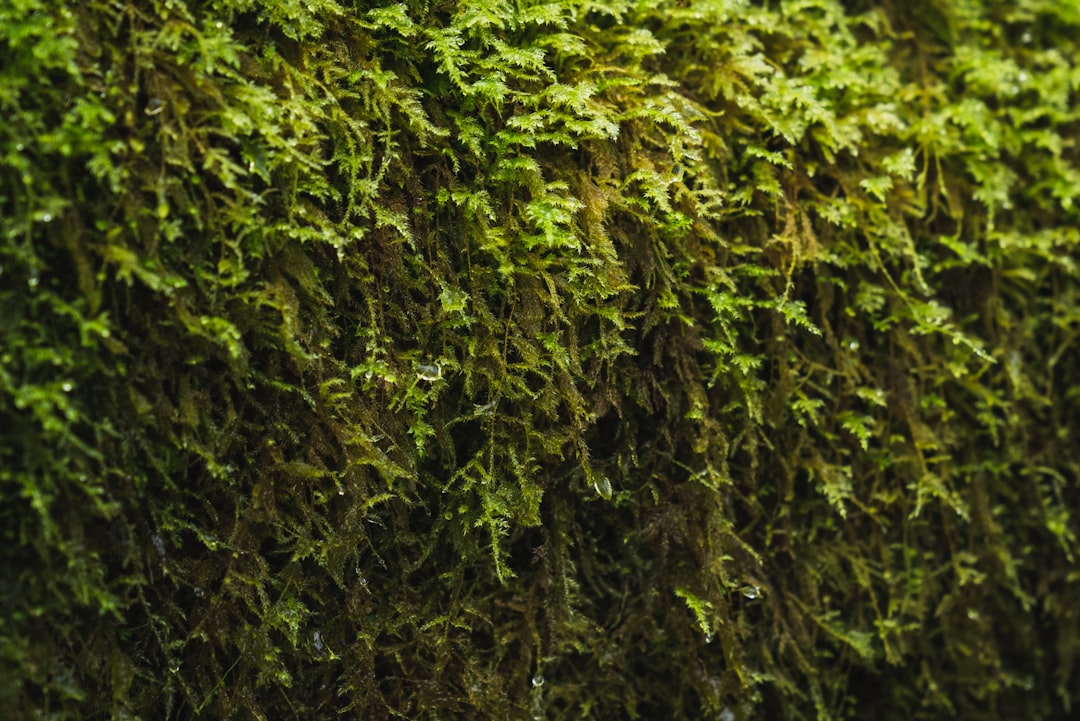
Table of Contents
- What Is Weeping Moss?
- The Weeping Effect
- Light, CO2 and Fertilisation
- Water Parameters for Singapore
- Attaching Weeping Moss to Hardscape
- Growth and Maintenance
- Comparison With Other Mosses
- Design Ideas
- Frequently Asked Questions
What Is Weeping Moss?
Weeping Moss (Vesicularia ferriei) is an aquatic moss prized for its distinctive downward-growing habit. Unlike most aquarium mosses that spread outward or upward, Weeping Moss produces fronds that hang vertically, creating a cascading effect reminiscent of a weeping willow. This unique growth pattern makes it one of the most architecturally interesting mosses available.
Native to China, Weeping Moss was introduced to the hobby in the early 2000s and quickly became a favourite for nature-style aquascapes. At Gensou, we have used it extensively in designs at our 5 Everton Park studio. Its ability to soften hardscape lines and create the illusion of age makes it invaluable for both competition and residential aquascapes across Singapore.
The Weeping Effect
To achieve the best cascading effect, follow these principles:
- Attach to elevated positions: The higher the attachment point, the more dramatic the trailing effect. Horizontal driftwood branches extending over the midground are ideal.
- Allow vertical space: The moss needs room to hang. Attaching near the substrate leaves no room for drape.
- Moderate water flow: Gentle current helps fronds sway naturally and prevents debris accumulation. Excessive flow pushes the moss sideways.
- Ensure direct light: Do not position underneath dense stem plants or floaters that will shade the attachment point.
The weeping habit becomes most pronounced after several months. Initially, attached portions may grow in various directions. As fronds lengthen, gravity pulls them into the classic cascade.
Light, CO2 and Fertilisation
Weeping Moss is a medium-light plant — more demanding than Java Moss but far less than carpet plants or red stems.
| Light Level | PAR | Growth Response |
|---|---|---|
| Low | Below 30 | Very slow, sparse fronds, weak attachment |
| Medium | 30-60 | Good growth, healthy weeping habit (ideal) |
| High | 60-100+ | Fast growth but frequent trimming needed; algae risk |
CO2 injection is helpful but not essential. Without CO2, the moss grows slowly but steadily. With CO2 at 20-30 ppm, fronds look lusher and growth accelerates modestly.
As a moss, Vesicularia ferriei absorbs all nutrients through its fronds from the water column. Dose a liquid fertiliser 2-3 times weekly, ensuring adequate iron (for deep green colour) and potassium (to prevent browning tips). Avoid over-fertilising — excess nutrients without sufficient plant uptake lead to algae that can smother the moss.
Water Parameters for Singapore
| Parameter | Ideal Range | SG Tap Water (Typical) |
|---|---|---|
| Temperature | 20-26°C | 28-30°C (warm; cooling helps) |
| pH | 5.5-7.5 | 7.0-7.5 |
| GH | 2-10 dGH | 2-4 dGH |
| KH | 1-6 dKH | 1-3 dKH |
At 28-30 degrees, Weeping Moss grows more slowly and is more susceptible to algae. A clip-on cooling fan dropping temperatures by 2-3 degrees helps. As always, treat water changes with a dechlorinator that neutralises PUB’s chloramine.
Attaching Weeping Moss to Hardscape
Cotton Thread
Spread a thin layer of moss on the surface and wrap dark cotton thread firmly around it. Over 4-6 weeks, the moss attaches through rhizoids and the cotton decomposes.
Super Glue (Cyanoacrylate)
Apply dots of aquarium-safe gel-type super glue to hardscape, press moss portions onto it, and hold 10-15 seconds. The glue turns white in water but becomes invisible once moss grows over it. Fastest method.
Stainless Steel Mesh
For flat surfaces, sandwich moss between two pieces of fine mesh, secured to hardscape. Moss grows through the mesh, eventually hiding it. Good for moss walls.
Key Tips
- Apply moss in thin, even layers. Thick clumps trap debris and die off inside from lack of light.
- Trim flat against the hardscape after attaching to encourage fresh growth from all points.
- Attach to rough surfaces whenever possible. Smooth wood takes longer for rhizoids to grip.
Growth and Maintenance
Weeping Moss is a slow to moderate grower. Expect visible growth within 3-4 weeks of attachment, with the weeping habit developing over 6-10 weeks.
Regular trimming is essential. Without it, the moss grows too thick and inner portions die from light starvation, causing chunks to detach. Trim when fronds reach 4-6 cm, cutting from underneath following the natural hanging shape. Remove fragments immediately with a net — loose pieces attach wherever they settle.
Mosses are particularly vulnerable to algae. Hair algae and black beard algae (BBA) are the most common issues. Prevention strategies include stable CO2 levels, lighting periods of 7-8 hours maximum, good water flow, and Amano shrimp, which graze on moss-attached algae without damaging the moss.
Comparison With Other Mosses
For a comprehensive overview, see our aquarium moss comparison guide.
| Moss | Growth Direction | Difficulty | Speed | Best Use |
|---|---|---|---|---|
| Weeping Moss | Downward | Moderate | Slow-Moderate | Elevated branches, ledges |
| Java Moss | All directions | Very Easy | Moderate-Fast | General coverage, beginners |
| Christmas Moss | Outward (triangular) | Easy | Moderate | Walls, flat surfaces |
| Flame Moss | Upward | Moderate | Slow | Vertical accents, bases |
Weeping Moss is the only commonly available moss that grows convincingly downward, making it irreplaceable for cascading effects.
Design Ideas
- Overhanging branches: Attach to horizontal driftwood over the midground for miniature willow-like fronds.
- Cliff edges: On tall rock formations, attach to the upper lip. The cascade softens hard edges.
- Tree scapes: Combined with upright driftwood and Flame Moss at the base, creates convincing miniature trees.
Frequently Asked Questions
Does Weeping Moss need CO2?
No. It grows without CO2, just more slowly. The weeping habit still develops, but the moss takes longer to reach full cascading potential. CO2 at 20-30 ppm produces thicker, healthier fronds.
How long does it take to attach to wood?
Typically 4-6 weeks through rhizoid development. Attachment is faster on rough, textured wood and slower on smooth surfaces. Keep the binding in place during this period and do not tug on the moss.
Why is my Weeping Moss growing upward instead of hanging down?
New growth often goes in all directions initially. The downward habit develops after 6-10 weeks as fronds lengthen. Ensure your main light is directly above (not from the side) and reduce any strong upward current near the moss.
Can I keep Weeping Moss with shrimp?
Absolutely. The dense fronds provide hiding spots for shrimplets and support biofilm growth that shrimp graze on continuously. Both Neocaridina and Caridina species thrive alongside Weeping Moss.
Ready to add Weeping Moss to your aquascape? Visit Gensou at 5 Everton Park, Singapore. With over 20 years of experience, we can advise on placement, attachment, and hardscape selection. Contact us to discuss your project.
Related Reading



