
Molly Fish Care Guide: Versatile Livebearers for Any Tank
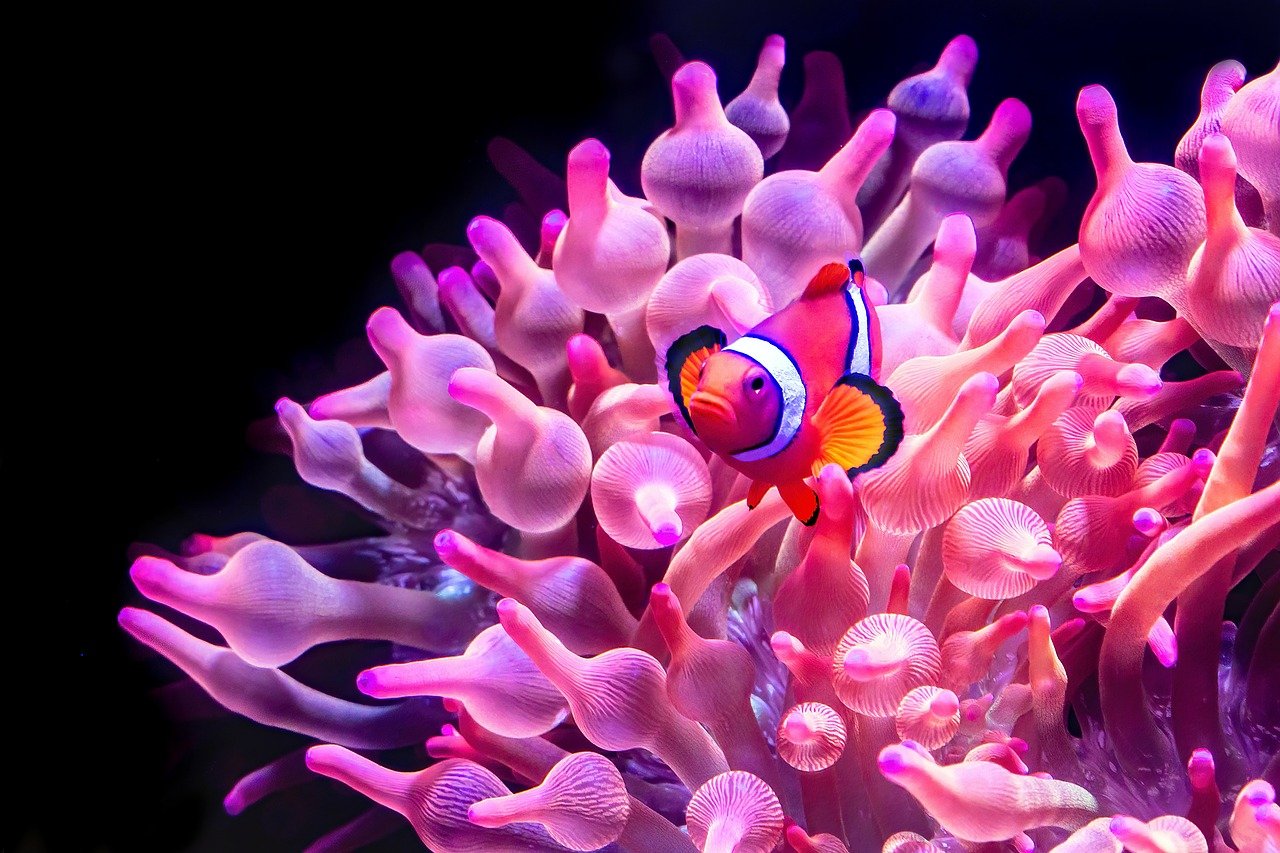
Mollies are among the most popular and versatile freshwater fish in the hobby, and for good reason. Hardy, colourful, peaceful and endlessly entertaining, they make excellent choices for both beginners and experienced aquarists. This molly fish care guide covers everything you need to know about keeping these livebearers happy in Singapore conditions. This guide sits inside our broader Tropical Fish Species Master Index reference.
About Mollies
Mollies belong to the genus Poecilia and originate from the Americas, ranging from the southern United States through Central America. They are livebearers, meaning females give birth to free-swimming fry rather than laying eggs. In the wild, mollies inhabit a wide range of environments, from freshwater streams to brackish estuaries and even coastal marine habitats.
This adaptability is what makes them such resilient aquarium fish. There is a persistent belief that mollies require brackish water to thrive. While they certainly tolerate salt well and some wild populations live in brackish conditions, mollies do perfectly fine in freshwater aquariums. The key to their health lies more in water hardness and mineral content than salinity.
Popular Molly Varieties
Decades of selective breeding have produced a stunning range of molly varieties. Here are the most commonly available types in Singapore:
| Variety | Size | Key Features | Notes |
|---|---|---|---|
| Black Molly | 6-8 cm | Solid velvety black colouration | Most popular variety, striking in planted tanks |
| Dalmatian Molly | 6-8 cm | White body with black speckles | Each fish has a unique pattern |
| Balloon Molly | 5-7 cm | Rounded, compressed body shape | Controversial; shorter lifespan due to compressed organs |
| Sailfin Molly | 10-15 cm | Dramatic tall dorsal fin in males | Needs larger tanks; impressive display fish |
| Lyretail Molly | 6-8 cm | Elongated upper and lower caudal rays | Elegant flowing tail fins |
| Gold Dust Molly | 6-8 cm | Gold and black gradient colouration | Eye-catching under good lighting |
Sailfin mollies (Poecilia latipinna and P. velifera) deserve special mention. Males develop an extraordinary dorsal fin that can be nearly as tall as the body when fully erect. These are substantially larger fish than common mollies and need appropriately sized tanks.
Tank Requirements
Mollies are active swimmers and, despite their availability as “beginner” fish, benefit from reasonably spacious tanks:
- Common mollies (black, dalmatian, lyretail): minimum 75 litres for a small group
- Sailfin mollies: minimum 150 litres due to their larger adult size
- Balloon mollies: 60 litres minimum; they are less active swimmers
Keep mollies in groups with more females than males, ideally a ratio of two to three females per male. Males are persistent in their mating attempts, and outnumbered females become stressed. A group of one male and three females is a sensible starting point.
Mollies appreciate some aquatic plants for shelter and grazing, but they do nibble on soft-leaved species. Hardy plants like Java fern, Anubias and Vallisneria work well. They also enjoy open swimming space, so avoid overcrowding the tank with hardscape.
Water Parameters for Singapore
This is where molly keeping in Singapore requires a bit of extra attention. Mollies naturally prefer harder, more alkaline water with good mineral content. Singapore’s PUB tap water, however, tends to be soft with a relatively low pH.
| Parameter | Ideal for Mollies | Typical SG Tap Water |
|---|---|---|
| Temperature | 24-28 C | 28-32 C (ambient) |
| pH | 7.5-8.5 | 6.5-7.5 |
| GH (General Hardness) | 12-25 dGH | 1-4 dGH |
| KH (Carbonate Hardness) | 8-15 dKH | 1-3 dKH |
The temperature in Singapore is actually excellent for mollies. They handle the upper twenties and even low thirties without issue, making heaters unnecessary in most HDB and condo setups.
The challenge is hardness. Singapore’s soft tap water can cause health problems for mollies over time, most notably the “shimmies,” a condition where the fish rocks back and forth without swimming forward. This is a direct response to mineral-deficient water.
To raise hardness, add crushed coral or aragonite to your filter, use mineral supplements designed for livebearers, or include limestone in your hardscape. A small bag of crushed coral in a hang-on-back filter is the simplest solution. Test your GH regularly and aim for at least 10 dGH.
Remember to always treat tap water with a dechlorinator that neutralises chloramine, as PUB uses chloramine rather than chlorine in its water treatment.
Feeding
Mollies are omnivores with a strong vegetarian leaning. In the wild, they graze heavily on algae and biofilm. A good diet should reflect this:
- Staple: high-quality flake or micro pellet food with spirulina or algae content
- Vegetables: blanched cucumber, courgette, spinach or shelled peas
- Protein: frozen or live brine shrimp, bloodworms and daphnia (two to three times per week)
- Algae: mollies happily graze on algae growing in the tank
Feed two to three times daily in small amounts. Mollies are enthusiastic eaters and will readily overeat if given the chance. In Singapore’s warm water, uneaten food decomposes quickly, so remove any leftovers after a few minutes.
Tank Mates
Mollies are generally peaceful community fish, though males can be somewhat pushy with each other and with other livebearers. Good tank mates include:
- Platies and swordtails (similar water parameter preferences)
- Corydoras catfish
- Bristlenose plecos
- Peaceful tetras (larger species like Congo tetras)
- Rainbowfish
- Peaceful gouramis (honey gourami, pearl gourami)
Avoid keeping mollies with aggressive fish, fin nippers, or species that require very soft, acidic water (which conflicts with the mollies’ needs). They coexist well with snails and most shrimp, though they may eat newborn shrimp.
Breeding
Mollies breed readily, often requiring no effort whatsoever from the aquarist. As livebearers, the process is straightforward:
- Males fertilise females internally using a modified anal fin called a gonopodium
- Gestation lasts approximately 60 days
- Females can store sperm for multiple batches, producing fry months after separation from males
- A single brood typically contains 20-60 fry, though large sailfin females may produce over 100
If you want fry to survive, provide dense floating plants such as Ceratophyllum (hornwort) or water sprite. Adult mollies will eat their own young if given the opportunity. Alternatively, move the pregnant female to a separate breeding tank shortly before she gives birth.
Be warned: mollies breed prolifically. A single female can produce a new batch every month or two. Plan for what you will do with the fry before you end up overwhelmed. Your local aquarium shop may accept healthy juveniles.
Common Diseases
Mollies are generally hardy, but certain conditions affect them more than other tropical fish:
The Shimmies
As mentioned earlier, shimmying (rocking in place without forward movement) is strongly linked to soft, mineral-poor water. It is the single most common molly health issue in Singapore. Correcting water hardness usually resolves the problem within days.
White Spot (Ich)
Mollies are susceptible to Ichthyophthirius multifiliis, presenting as white spots across the body and fins. Raise temperature to 30-32 C (easy in Singapore) and treat with a proprietary ich medication. The higher ambient temperatures here can actually help speed up the parasite’s lifecycle, making treatment more effective.
Fin Rot
Bacterial fin rot can occur in poor water conditions. Maintain good filtration, perform regular water changes and treat with antibacterial medication if needed. Lyretail varieties with their long fins are particularly susceptible.
Molly Disease (Columnaris)
A bacterial infection that causes white patches, frayed fins and lethargy. It progresses rapidly in warm water. Early treatment with appropriate antibacterial medication is essential.
Frequently Asked Questions
Do mollies need salt in their water?
No. While mollies tolerate brackish and even marine conditions, they do perfectly well in freshwater. What they do need is adequate mineral content (hardness). If your Singapore tap water is very soft, raising GH with crushed coral or mineral supplements is far more beneficial than adding aquarium salt.
How many mollies can I keep in a 60-litre tank?
A 60-litre tank comfortably houses four to five common mollies. Keep one male with three to four females. Sailfin mollies need a larger tank. Remember that mollies breed readily, so fry will increase your bioload quickly if not managed.
Why are my mollies shimmying and not swimming properly?
Shimmying is almost always caused by water that is too soft or has insufficient minerals. Test your GH and KH. If GH is below 8 dGH, add crushed coral to your filter or use a remineralising product. Most mollies recover within a few days once mineral levels are corrected.
Can I keep mollies with shrimp?
Adult cherry shrimp and Amano shrimp generally coexist fine with mollies. However, mollies will eat baby shrimp and very small shrimp species. If you are breeding shrimp, provide plenty of moss and hiding spots, or keep them in separate tanks.
Start Your Molly Tank
Mollies are rewarding fish that bring colour and activity to any aquarium. With a little attention to water hardness, they thrive beautifully in Singapore’s warm climate. If you need help setting up the perfect molly tank or want expert advice on water chemistry for livebearers, get in touch with our team at Gensou. With over 20 years of aquascaping experience, we can help you create a stunning setup at our studio at 5 Everton Park, or design a custom aquarium tailored to your space.
Related Reading



