
How to Breed Amano Shrimp: The Brackish Water Challenge
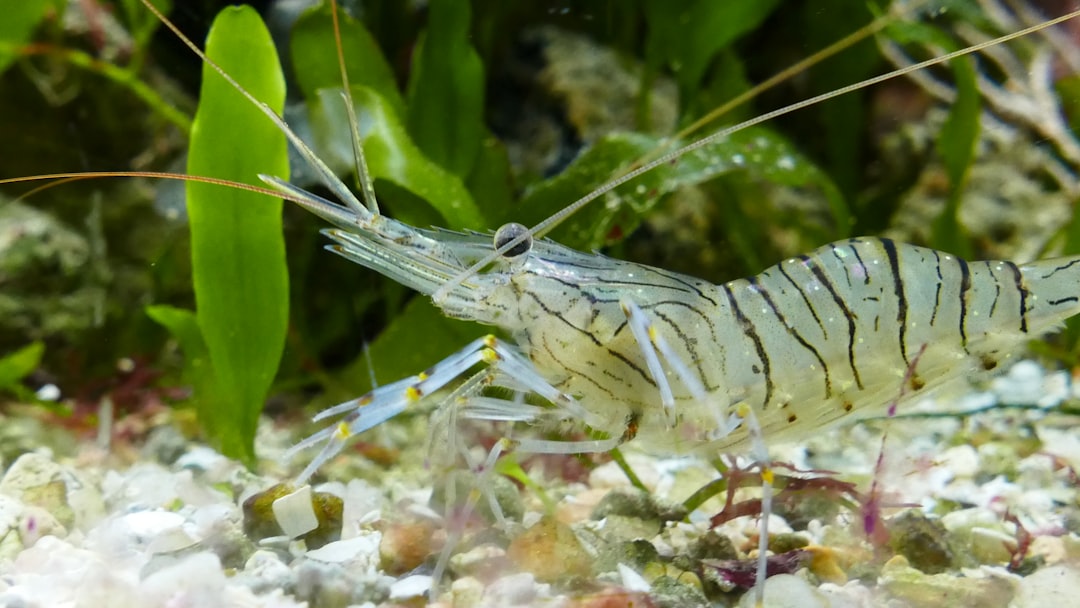
Table of Contents
- Why Breeding Amano Shrimp Is Difficult
- Understanding the Amano Shrimp Lifecycle
- Setting Up the Breeding Tank
- Encouraging Mating in the Main Tank
- Collecting the Larvae
- Preparing the Brackish Water Rearing Tank
- Raising Larvae to Juvenile Stage
- Transitioning Juveniles to Freshwater
- Singapore Advantages and Tips
- Common Mistakes to Avoid
- Frequently Asked Questions
Amano shrimp (Caridina multidentata) are the workhorses of the planted aquarium, prized for their unmatched appetite for algae. Yet despite being one of the most popular aquarium shrimp in Singapore and worldwide, almost every Amano shrimp sold is wild-caught or commercially bred in specialised facilities. The reason? To successfully breed Amano shrimp, you must replicate a complex lifecycle that involves brackish water — something most home aquarists never attempt. In this guide, we break down the entire process step by step, drawing on over 20 years of aquascaping knowledge at Gensou.
Why Breeding Amano Shrimp Is Difficult
Unlike Neocaridina (cherry shrimp) or even Caridina species like crystal red shrimp, Amano shrimp larvae cannot survive in freshwater. In nature, berried (egg-carrying) females release tiny larvae into rivers, which are swept downstream to estuaries where freshwater meets the sea. The larvae develop in this brackish environment for several weeks before migrating back upstream as fully formed juvenile shrimp.
Replicating this lifecycle at home requires maintaining two separate water environments, feeding microscopic larvae with specialised food, and carefully transitioning juveniles back to freshwater at precisely the right time. It is challenging, but it is absolutely achievable with patience and the right approach.
Understanding the Amano Shrimp Lifecycle
| Stage | Duration | Environment | Key Requirements |
|---|---|---|---|
| Mating | Hours | Freshwater | Mature male and female, post-moult female |
| Egg carrying (berried) | 4–6 weeks | Freshwater | Stable water parameters, minimal stress |
| Larval release | 1 night | Freshwater → brackish | Larvae must be moved to brackish water within hours |
| Larval development | 4–8 weeks | Brackish (15–17 ppt salinity) | Phytoplankton or spirulina powder, gentle aeration |
| Metamorphosis | Days | Brackish → freshwater | Gradual salinity reduction |
| Juvenile growth | Ongoing | Freshwater | Standard shrimp care, biofilm-rich environment |
Setting Up the Breeding Tank
While Amano shrimp will mate in any well-maintained community tank, having a dedicated breeding setup gives you more control over the process.
Main Tank (Freshwater) Parameters
| Parameter | Ideal Range |
|---|---|
| Temperature | 22–26°C (chiller recommended in Singapore) |
| pH | 6.5–7.5 |
| GH | 6–8 dGH |
| KH | 2–5 dKH |
| Ammonia / Nitrite | 0 ppm |
| Nitrate | Below 20 ppm |
Tank Size and Setup
A 40-litre tank is sufficient for a small breeding colony. Include plenty of moss (Taxiphyllum barbieri or Vesicularia montagnei) and driftwood to provide hiding spots and grazing surfaces. A mature sponge filter provides gentle filtration without risking larval suction. Avoid strong currents — berried females prefer calm environments.
Colony Composition
Keep a ratio of at least two males to every female. Males are smaller (3–4 cm) and lack the distinctive dashes along their sides — their markings appear as dots. Females are larger (4–5 cm) with elongated dashes and a visible saddle (egg mass) on their backs when mature. A group of 10–15 shrimp gives you a good chance of regular breeding activity.
Encouraging Mating in the Main Tank
Amano shrimp mate shortly after a female moults. You can encourage moulting and subsequent mating through:
- Water changes: A 20–30% water change with slightly cooler water (2–3°C below tank temperature) often triggers moulting within 24–48 hours.
- Excellent nutrition: Feed a varied diet including blanched vegetables (spinach, courgette), quality shrimp pellets, and algae wafers. Well-fed females produce more eggs.
- Stable parameters: Consistency is more important than hitting exact numbers. Avoid sudden fluctuations in pH, GH, or temperature.
- Mineral supplementation: Ensure adequate calcium and magnesium for healthy moulting. In Singapore, where tap water GH is typically 2–4, you may need to add a GH remineraliser.
When a female moults, she releases pheromones that send males into a frenzy — you will see them swimming erratically around the tank. Mating occurs within hours. Within a day or two, you will notice the female carrying a mass of tiny greenish-grey eggs beneath her swimmerets. She will fan them constantly to keep them oxygenated.
Collecting the Larvae
After four to six weeks of carrying eggs, the female will release free-swimming larvae, typically at night. The larvae are incredibly tiny (about 1.5 mm) and are attracted to light — this is the key to collecting them.
The Light Trap Method
- Turn off all room lights and the aquarium light.
- Shine a small torch or LED light against one corner of the tank.
- Wait 15–30 minutes. The larvae are positively phototactic (attracted to light) and will congregate near the light source.
- Use a pipette or turkey baster to gently suck up the larvae along with a small amount of tank water.
- Transfer them immediately to your prepared brackish water rearing tank.
Timing is critical. Larvae must be transferred to brackish water within 12–24 hours of release, or they will die. Check for larvae every evening once the female appears close to releasing (her eggs will change from greenish to a translucent greyish colour as they mature).
Alternative: Berried Female Transfer
Some breeders prefer to move the berried female to a separate freshwater hatching container a few days before expected release, then transfer only the larvae to brackish water after hatching. This ensures you do not miss the release. However, moving the female can cause stress and premature egg dropping, so handle with extreme care.
Preparing the Brackish Water Rearing Tank
This is where the real challenge of breeding Amano shrimp begins. You need a separate tank with carefully prepared brackish water ready before the larvae hatch.
Tank Requirements
- Size: 10–20 litres is sufficient for a single batch of larvae
- Salinity: 15–17 parts per thousand (ppt), which equates to a specific gravity of approximately 1.011–1.013. Use a refractometer for accuracy — hydrometer readings are too imprecise for this application.
- Salt type: Use marine aquarium salt (such as Instant Ocean or Red Sea Salt), NOT table salt or freshwater aquarium salt. Marine salt contains the trace minerals and buffering compounds larvae need.
- Temperature: 22–25°C. In Singapore’s warm climate, you may need to keep this tank in an airconditioned room or use a fan.
- Aeration: Gentle air stone providing fine bubbles. Too vigorous and the tiny larvae will be battered. Too little and the water stagnates.
- Light: A small desk lamp on a 12-hour timer. Larvae need light to feed and orient themselves.
- No filter: Larvae are so small that any filter will trap and kill them. Rely on water changes for water quality.
- No substrate: A bare-bottom tank is easiest to keep clean and allows you to see the larvae.
Mixing Brackish Water
Prepare brackish water at least 24 hours before larvae are expected. Mix marine salt with dechlorinated water (Singapore tap water after treatment) until your refractometer reads 15–17 ppt. Aerate the mixture overnight to fully dissolve the salt and stabilise pH, which should settle around 8.0–8.3.
Raising Larvae to Juvenile Stage
The larval rearing stage takes four to eight weeks and is the most demanding part of the process. Larvae pass through multiple zoea stages before metamorphosing into miniature shrimp.
Feeding Larvae
Amano shrimp larvae feed on microscopic organisms and particles. Suitable food sources include:
| Food Source | Preparation | Feeding Frequency | Notes |
|---|---|---|---|
| Spirulina powder | Mix tiny pinch in water, add drops to tank | 2–3 times daily | Most accessible option; available at health food stores |
| Marine phytoplankton (e.g., Nannochloropsis) | Add drops directly to tank | 2–3 times daily | Ideal food source; available from marine aquarium shops |
| Powdered coral food (e.g., Reef-Roids) | Mix small amount in water, add drops | Once daily | Good supplementary food |
| Green water (cultured algae) | Add directly to rearing tank | As needed to maintain greenish tint | Excellent if you can culture it |
The key is to feed very small amounts frequently. The water should have a very slight greenish tint from phytoplankton or spirulina — if it is opaque green, you are overfeeding. Overfeeding causes bacterial blooms that consume oxygen and kill larvae.
Water Quality Management
- Perform 10–20% water changes every two to three days using pre-mixed brackish water of the same salinity and temperature
- Siphon carefully from the bottom, avoiding larvae (use airline tubing as a slow siphon)
- Monitor salinity after each water change — consistency is critical
- Remove any dead larvae promptly to prevent water quality deterioration
- Keep temperature stable — fluctuations are the leading cause of larval death
Tracking Development
Over four to eight weeks, you will notice the larvae gradually changing:
- Week 1–2: Tiny, transparent, swimming erratically. Difficult to see without a torch.
- Week 2–4: Slightly larger, beginning to show segmentation. Still planktonic (free-swimming).
- Week 4–6: Taking on a shrimp-like shape. Starting to settle on surfaces rather than swimming constantly.
- Week 6–8: Fully metamorphosed into miniature shrimp (2–3 mm). Walking on surfaces, behaving like adult shrimp. They are now ready for transition to freshwater.
Transitioning Juveniles to Freshwater
Once larvae have completed metamorphosis and look like tiny versions of adult Amano shrimp, they must be gradually transitioned back to freshwater. This is a critical stage — rushing it will kill them.
The Drip Acclimation Method
- Place juveniles in a small container with their brackish rearing water.
- Set up a drip line from a container of dechlorinated freshwater (matching your main tank parameters).
- Drip freshwater into the juvenile container at a rate of approximately one drop per second.
- Over the course of six to eight hours, the salinity will gradually decrease from 15–17 ppt to near zero.
- Once the salinity reads below 2 ppt, the juveniles can be carefully transferred to a freshwater grow-out tank.
Grow-Out Tank
Do not place the tiny juveniles directly into a community tank — they will be eaten by fish or outcompeted for food. A small 10–20 litre grow-out tank with a mature sponge filter, plenty of moss, and a thin layer of biofilm is ideal. Feed powdered shrimp food and blanched vegetable scraps. Once they reach approximately 1.5–2 cm (usually after four to six weeks), they can be introduced to the main tank.
Singapore Advantages and Tips
Singapore aquarists actually have several advantages when it comes to breeding Amano shrimp.
Access to Marine Supplies
With Singapore’s thriving marine aquarium community, marine salt mixes, refractometers, and phytoplankton cultures are readily available. Marine shops in Clementi, the Pasir Ris farmway area, and online retailers stock everything you need for the brackish rearing stage.
Warm Ambient Temperature
Singapore’s year-round warmth (28–31°C) means you do not need a heater for your rearing tank. However, it works against you for the main breeding tank, as Amano shrimp prefer cooler water (22–26°C) for optimal breeding conditions. An airconditioned room or a small aquarium fan can bring temperatures into the ideal range.
Tap Water Quality
PUB water in Singapore is clean and consistent, making it reliable for mixing brackish water and preparing freshwater for the transition stage. Always dechlorinate — our water contains chloramine, which is particularly harmful to shrimp.
Humidity Advantage
Singapore’s high humidity (80%+) reduces evaporation from small open-top rearing tanks, which helps maintain stable salinity. In drier climates, evaporation can concentrate salt to dangerous levels between water changes.
GH Considerations
Singapore’s tap water is soft (GH 2–4). For the freshwater breeding tank, add a GH remineraliser to reach 6–8 dGH. Amano shrimp need adequate calcium and magnesium for moulting and egg development. Without supplementation, moulting failures and poor egg viability are common.
Common Mistakes to Avoid
- Using the wrong salt. Table salt, kosher salt, and freshwater aquarium salt do not contain the marine minerals larvae need. Only use marine aquarium salt.
- Delaying larval transfer. Larvae must reach brackish water within 12–24 hours of release. Even a few hours too late drastically reduces survival rates.
- Overfeeding larvae. A slight greenish tint to the water is sufficient. Cloudy, opaque water means you are overfeeding, leading to bacterial blooms and oxygen depletion.
- Inconsistent salinity. Check salinity with a refractometer before and after every water change. Even small fluctuations stress larvae.
- Rushing the freshwater transition. Dropping salinity too quickly kills juveniles. Take at least six hours for the drip acclimation process.
- Keeping larvae in a filtered tank. Any filter, even a sponge filter, will trap and kill the microscopic larvae. Use aeration only.
- Giving up too soon. Larval mortality is high even for experienced breeders. A 10–20% survival rate from larvae to juvenile is considered a success. Expect to lose many on your first attempts.
- Not having brackish water ready in advance. Mix and aerate your brackish water at least 24 hours before expected hatching.
Frequently Asked Questions
How many larvae does a single Amano shrimp female produce?
A healthy female Amano shrimp carries between 1,000 and 3,000 eggs per clutch, depending on her size and age. Larger, more mature females produce more eggs. However, not all eggs will hatch successfully, and larval mortality during the brackish water stage is typically very high. Even with excellent care, expect only 10–20% of larvae to survive to the juvenile stage. This still means potentially hundreds of juveniles from a single clutch — more than enough for your own tanks with plenty to share or sell.
Can I breed Amano shrimp without brackish water?
No. Unlike Neocaridina or most Caridina species, Amano shrimp larvae require brackish water to survive and develop. This is a non-negotiable part of their biology. Larvae released into freshwater will die within 24–48 hours. There is no known shortcut or workaround — the brackish water stage is essential for successful breeding.
How long does the entire breeding process take from mating to juvenile shrimp?
From mating to the point where juveniles can be placed in a freshwater community tank, expect approximately three to four months. This breaks down as: four to six weeks for the female to carry eggs, four to eight weeks for larval development in brackish water, and two to four weeks for juvenile grow-out in freshwater. The process requires consistent daily attention, particularly during the larval stage when feeding and water quality management are critical.
Where can I buy marine salt and phytoplankton in Singapore?
Marine salt mixes (Instant Ocean, Red Sea Salt, Tropic Marin) are stocked by most marine aquarium shops in Singapore, including stores in the Clementi area and along Pasir Ris Farmway. Phytoplankton cultures or concentrated liquid phytoplankton can be found at marine specialty retailers. Alternatively, spirulina powder — available at health food shops and pharmacies island-wide — is an accessible and effective substitute for larval feeding.
Start Your Amano Shrimp Breeding Journey
Breeding Amano shrimp is one of the most rewarding challenges in the freshwater aquarium hobby. While it requires patience, dedication, and a willingness to learn from inevitable setbacks, the satisfaction of raising these incredible shrimp from larvae to adults is unmatched. At Gensou, our team has over 20 years of experience with shrimp keeping and aquascaping in Singapore’s unique conditions. Whether you need advice on setting up a breeding programme, sourcing quality Amano shrimp as broodstock, or finding the right equipment, visit us at 5 Everton Park or browse our online shop. Have questions about your specific setup? Contact us — we are always happy to help fellow shrimp enthusiasts.
Related Reading



