
Clown Pleco Care Guide: Small, Striped and Wood-Loving
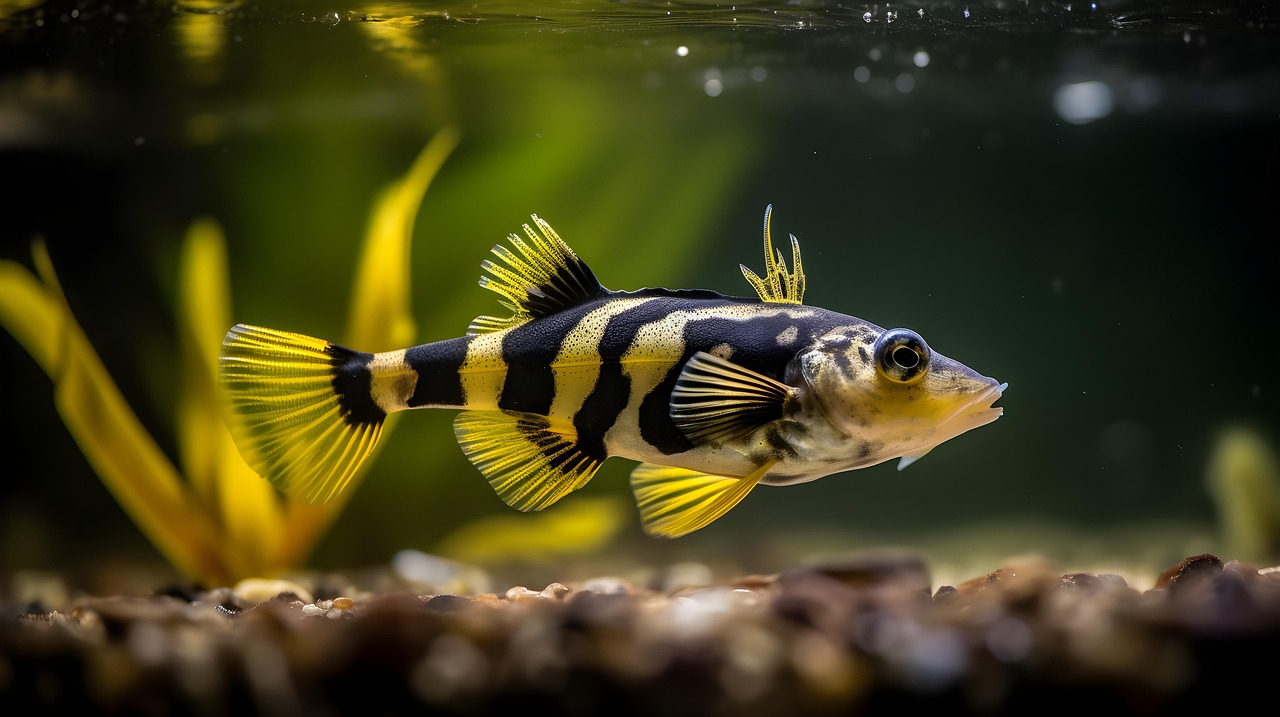
Table of Contents
- Introduction
- Species Overview and Origin
- Tank Setup and Water Parameters
- Feeding and Diet
- Behaviour and Temperament
- The Importance of Driftwood
- Compatible Tank Mates
- Breeding Clown Plecos
- Common Health Issues
- Frequently Asked Questions
- Conclusion
Introduction
This clown pleco care guide has been put together for Singapore aquarists who want to keep one of the hobby’s most charming and compact catfish. The clown pleco (Panaqolus maccus), also known as L104 in the L-number classification system, is a small, beautifully patterned wood-eating pleco that maxes out at just 8–10 cm. Its striking orange-and-black striped pattern, shy personality, and manageable size make it one of the most popular dwarf plecos in the world. This guide sits inside our broader Tropical Fish Species Master Index reference.
At Gensou, our aquascaping studio at 5 Everton Park, we have been advising Singapore hobbyists on fish selection for over two decades. The clown pleco is a species we recommend often — particularly for aquarists who love driftwood-heavy layouts and want a characterful bottom-dweller that will not outgrow its tank or damage plants.
Species Overview and Origin
The clown pleco is native to the Caroni and Apure river systems in Venezuela, tributaries of the mighty Orinoco River. In the wild, it inhabits areas with abundant submerged wood — fallen trees, branches, and root tangles that line the riverbanks. The fish depends on this wood not just for shelter, but as a primary component of its diet.
The species was first described in 1993 and has since become one of the most widely available “L-number” plecos in the aquarium trade. Its affordability, small size, and attractive colouration have made it a gateway species for hobbyists developing an interest in the fascinating world of loricariid catfish.
Key Characteristics at a Glance
| Attribute | Detail |
|---|---|
| Scientific Name | Panaqolus maccus |
| Common Names | Clown pleco, clown panaque, L104, LDA22 |
| Family | Loricariidae |
| Adult Size | 8–10 cm (3–4 in) |
| Lifespan | 10–12 years |
| Origin | Caroni and Apure river systems, Venezuela |
| Care Level | Easy to moderate |
Appearance
The clown pleco’s body is covered in the typical loricariid bony armour plates. Its base colour ranges from dark brown to black, overlaid with irregular wavy bands and stripes of bright orange, gold, or cream. Patterns vary between individuals, with some displaying bold, high-contrast stripes and others showing more muted or irregular markings. The dorsal fin often features a particularly attractive pattern, fanning out like a tiny sail when erect.
This natural variation means that no two clown plecos look exactly alike — a trait that many collectors find irresistible. When selecting specimens, look for bright, well-defined patterns and a healthy, rounded belly.
Tank Setup and Water Parameters
The clown pleco is relatively adaptable, which is good news for Singapore aquarists. It tolerates a broader temperature range than many pleco species and adjusts well to our local water chemistry after proper dechlorination.
Recommended Water Parameters
| Parameter | Ideal Range | Notes for Singapore |
|---|---|---|
| Temperature | 24–30 °C | Singapore room temp (28–31 °C) is within range; one of the more heat-tolerant plecos |
| pH | 6.5–7.5 | PUB tap water at 7.0–7.5 is fine; driftwood naturally lowers pH slightly |
| GH (General Hardness) | 4–12 dGH | Singapore’s moderately soft water is well suited |
| KH (Carbonate Hardness) | 3–8 dKH | Provides stable buffering; monitor when using active soil substrates |
| Minimum Tank Size | 75 litres (20 gallons) | Small but territorial; needs hiding spots and personal space |
| Ammonia / Nitrite | 0 ppm | Fully cycle the tank before introducing the pleco |
| Nitrate | Below 20 ppm | Regular water changes are essential; wood decomposition adds to bioload |
Temperature Advantage in Singapore
Unlike some pleco species that struggle in Singapore’s heat (such as the rubber lip pleco), the clown pleco handles our tropical temperatures well. Its natural habitat in the lowland Venezuelan rivers experiences warm conditions, and the species is comfortable at 28–30 °C. This means most Singapore hobbyists do not need a chiller or fan specifically for this fish — a significant practical advantage.
Aquascaping for Clown Plecos
The single most important element in a clown pleco setup is driftwood. This is not optional — it is essential. The fish requires wood as a dietary supplement and as shelter. Include multiple pieces of driftwood in varying sizes, with crevices and hollows the pleco can squeeze into.
Suitable driftwood types include:
- Malaysian driftwood: Dense, sinks easily, lasts a long time in water
- Mopani wood: Hard and durable; the clown pleco will rasp at it slowly
- Spider wood: More decorative but softer; provides good hiding spots among the branches
- Cholla wood: Hollow cactus skeleton; excellent hiding tubes and a softer wood for rasping
In terms of plants, the clown pleco is entirely plant-safe. It does not eat living plant tissue. Hardy species that attach to driftwood — Java fern, Anubias, Bucephalandra, and Java moss — are perfect companions for this fish, as they create a natural, heavily wooded aesthetic that suits the species beautifully.
Add several caves or hiding spots using pleco caves, coconut shell halves, or stacked rocks. The clown pleco spends much of the day hidden and becomes stressed without adequate shelter.
Substrate and Decor
A fine sand or smooth gravel substrate is ideal. Avoid sharp-edged substrates that could damage the pleco’s soft underbelly. The fish does not dig actively, but it does rest directly on the substrate, so smooth materials are important. Dark substrates enhance the contrast of the pleco’s orange-and-black pattern.
Feeding and Diet
The clown pleco’s diet is somewhat unusual for an aquarium fish: it is primarily a wood-eater (xylivore). In the wild, it rasps at submerged wood, consuming the softened fibres along with the biofilm, algae, and microorganisms that colonise the wood’s surface. This wood-eating behaviour is essential to the species’ digestive health.
Dietary Requirements
- Essential: Driftwood in the tank at all times — the pleco will graze on it continuously, particularly at night
- Staple supplement: Sinking algae wafers or pleco-specific wafers (e.g., Hikari Algae Wafers, Repashy Morning Wood) — offer 3–4 times per week
- Vegetables: Blanched courgette (zucchini), cucumber, sweet potato, or de-shelled peas — 2–3 times per week
- Protein (occasional): Frozen bloodworms or brine shrimp — once per week at most; the clown pleco is not a heavy protein feeder
A Note on Wood as Food
The presence of driftwood is non-negotiable for clown plecos. The wood fibres serve as essential dietary roughage, aiding digestion and overall gut health. Without access to wood, clown plecos can develop digestive problems and malnutrition over time, even if supplementary foods are provided. You will notice fine wood shavings and grazing marks on the driftwood — this is completely normal and a sign that your pleco is feeding properly.
In Singapore, aquarium-safe driftwood is readily available at most local fish shops and online aquascaping suppliers. Ensure you use only wood specifically sold for aquarium use — wood collected from outdoors may contain pesticides, parasites, or toxic compounds.
Feeding Schedule
Feed supplementary foods in the evening, just before or after lights-out. Clown plecos are nocturnal feeders and will ignore food placed during the day. Remove uneaten vegetables within 12 hours to prevent water quality issues, which is especially important in Singapore’s warm aquariums where decomposition occurs quickly.
Behaviour and Temperament
The clown pleco is one of the shyest fish you will encounter. It spends the vast majority of the day hidden in caves, under driftwood, or wedged into tight crevices. Do not be alarmed if you rarely see your clown pleco during daylight hours — this is entirely normal behaviour for the species.
Nocturnal Activity
At night, the clown pleco emerges to graze on wood, driftwood surfaces, and any supplementary food offered. If you want to observe your pleco in action, invest in a moonlight LED or dim blue night light. You will often see the fish methodically working its way across wood surfaces, rasping at the wood with its specialised teeth.
Territoriality
While peaceful towards other species, clown plecos can be territorial towards their own kind, particularly in confined spaces. Two individuals may compete for favourite hiding spots, leading to mild chasing and posturing. This can be managed easily by providing multiple caves and driftwood pieces — aim for at least two hiding spots per pleco.
In tanks of 120 litres and above, keeping a pair or small group is feasible, provided there are enough territories to go around. In smaller setups, a single specimen is the safest approach.
Compatibility with Aquascapes
The clown pleco is an excellent aquascaping companion. It does not uproot plants, does not eat plant tissue, and its small size means it causes minimal disruption to carefully arranged layouts. The only “damage” you will notice is the gradual wear on driftwood from rasping — which is actually desirable, as it gives the wood a natural, weathered appearance over time.
The Importance of Driftwood
We cannot stress this enough: driftwood is as important to the clown pleco as water itself. Here is why it matters and how to provide it properly.
Why Clown Plecos Need Wood
| Function | Explanation |
|---|---|
| Dietary fibre | Wood fibres are essential roughage for the pleco’s digestive system |
| Biofilm grazing | The microbial biofilm that colonises submerged wood is a natural food source |
| Shelter | Driftwood provides hiding spots and reduces stress |
| Tannin release | Tannins from wood soften water and have mild antibacterial properties |
| Territorial markers | Individual fish often claim specific pieces of wood as home bases |
Best Practices for Driftwood in Singapore Tanks
- Use at least two to three substantial pieces per clown pleco
- Pre-soak new driftwood for one to two weeks to reduce initial tannin leaching (or embrace the tannin-stained water for a natural blackwater look)
- Replace wood that has become excessively softened or is breaking apart — typically every one to two years for softer wood types
- Monitor water parameters after adding new driftwood, as tannin release can lower pH
- Mix wood types: softer wood like cholla for easy rasping, harder wood like Malaysian driftwood for long-term structure
Compatible Tank Mates
The clown pleco’s peaceful, reclusive nature makes it compatible with virtually any non-aggressive community fish. Because it occupies the bottom zone and is active primarily at night, it has minimal interaction with daytime-active mid-water species.
Ideal Companions
| Species | Why They Work |
|---|---|
| Cardinal tetra | Classic community fish; occupies mid-water; no competition |
| Ember tetra | Small, peaceful, warm-water tolerant — ideal for Singapore tanks |
| Harlequin rasbora | Hardy, widely available, peaceful; a Singapore staple |
| Corydoras catfish | Peaceful bottom-dwellers; active during the day when the pleco rests |
| Otocinclus | Tiny algae eaters; no territorial overlap with the pleco |
| Cherry shrimp | Completely safe; the clown pleco shows zero interest in shrimp |
| Betta (single male) | Can work in tanks of 75 litres or more; different activity zones |
| Honey gourami | Gentle surface-to-mid-water fish; no conflicts |
Species to Avoid
Avoid large, aggressive fish that might harass or injure the pleco while it rests. Other territorial bottom-dwellers of similar size — such as certain other pleco species — may compete for hiding spots. Highly active, boisterous fish that disturb the substrate can stress the pleco out of its shelters during the day.
Breeding Clown Plecos
Clown plecos are cave spawners and have been successfully bred in home aquariums, making them one of the more breedable L-number pleco species. With patience and the right setup, Singapore hobbyists can achieve this rewarding milestone.
Setting Up for Breeding
- Sexing: Males tend to have a slightly broader head, more prominent odontodes (small bristle-like growths) on the pectoral fins and cheeks, and a more streamlined body. Females are often slightly rounder when viewed from above. Differences can be subtle and are most apparent in mature specimens.
- Pair or group: A breeding pair or a small group (one male, two to three females) is ideal. Ensure the tank is at least 75 litres.
- Cave provision: Provide narrow caves or tubes that are just large enough for one fish to enter. Commercially available pleco breeding caves or PVC pipe sections (approximately 3–4 cm inner diameter) work well. The male selects and defends a cave for spawning.
Triggering Spawning
Breeding can be triggered by simulating seasonal changes:
- Perform a series of large, cool water changes (25–30%) to mimic the onset of the rainy season
- Slightly lower the temperature by 1–2 °C during water changes
- Condition the pair with high-quality foods, including protein-rich options
- Ensure water quality is pristine — spawning is unlikely in suboptimal conditions
Spawning and Fry Care
The male entices the female into his chosen cave, where she deposits a small clutch of 10–30 large, adhesive eggs. The male then guards the eggs, fanning them to prevent fungus and chasing away intruders. Incubation takes approximately seven to ten days.
Fry emerge as miniature versions of the adults, complete with visible striping. They initially feed on their yolk sac, then begin grazing on biofilm and soft wood surfaces. Supplement with crushed algae wafers and blanched vegetables as they grow. Fry are slow-growing — expect them to reach 2–3 cm after six months.
Common Health Issues
Clown plecos are hardy when their basic needs are met, but they can suffer from several conditions if care lapses.
- Malnutrition: The most common issue, usually caused by a lack of driftwood in the tank. Symptoms include a hollow belly, lethargy, and loss of colour. Always ensure abundant driftwood is available and supplement with algae wafers and vegetables.
- Ich (white spot): Can affect clown plecos, particularly after transport or when subjected to temperature fluctuations. Treat by raising the temperature to 30 °C and using a pleco-safe ich remedy (avoid full-strength copper treatments).
- Bloat: Can result from overfeeding protein-rich foods or poor diet composition. Reduce protein intake and ensure the fish has access to wood and vegetable matter.
- Bacterial infections: Red patches, fin erosion, or lethargy may indicate bacterial issues. Maintain excellent water quality and treat with broad-spectrum antibacterial medication if necessary.
- Stress from lack of hiding spots: A clown pleco without adequate shelter will be chronically stressed, leading to suppressed immune function and susceptibility to disease. Always provide ample caves and driftwood crevices.
Quarantine all new plecos for at least two weeks. Wild-caught specimens, in particular, may carry internal parasites — prophylactic treatment with anti-parasitic food during quarantine is a sensible precaution.
Frequently Asked Questions
Do clown plecos eat algae?
Clown plecos are primarily wood-eaters (xylivores), not algae eaters. While they will graze on some biofilm and soft algae that grows on wood surfaces, they are not effective algae controllers. If algae management is your primary goal, consider species like otocinclus, Amano shrimp, or nerite snails instead. The clown pleco should be chosen for its charm, pattern, and compatibility — not as a cleanup crew member.
Can I keep a clown pleco in a nano tank?
We recommend a minimum tank size of 75 litres (20 gallons). While the clown pleco is small, it is territorial and requires multiple pieces of driftwood and hiding spots. Nano tanks under 40 litres are too restrictive for the fish’s long-term wellbeing. A 60 cm standard tank (approximately 60–75 litres) is the smallest practical option.
Why is my clown pleco always hiding?
This is completely normal. Clown plecos are nocturnal and spend the day hidden in caves, under wood, or in crevices. You may rarely see your pleco during the day, especially in a tank with ample hiding spots. If you want to observe it, check the tank after lights-out using a dim red or blue light. A healthy clown pleco that hides all day is behaving exactly as nature intended.
How do I know if my clown pleco is eating enough?
Check two things: the shape of its belly and the condition of your driftwood. A well-fed clown pleco should have a gently rounded belly — not sunken or hollow. You should also be able to see fine rasp marks and gradual wear on the driftwood, indicating active grazing. If the belly appears concave or the fish seems lethargic, increase supplementary feeding with algae wafers and vegetables.
Related Reading
- Long-Fin Clown Pleco Care Guide: Driftwood Dweller With Flowing Fins
- Clown Pleco vs Bristlenose Pleco: Size, Diet and Algae Eating
- Albino Bristlenose Pleco Care Guide: Pale and Popular
- Blue Phantom Pleco Care Guide: L128 Slate-Blue Beauty
- How to Breed Bristlenose Plecos: Caves, Fry and Tips
Conclusion
The clown pleco is a delightful little catfish that brings personality, beauty, and a touch of the exotic to planted aquascapes and community tanks alike. Its manageable size, striking striped pattern, and wood-loving habits make it a unique addition that differs from the typical community fish roster. Best of all, it handles Singapore’s warm water conditions with ease — a genuine advantage for local hobbyists.
The key to success with this species is simple: provide plenty of driftwood, offer supplementary food, include multiple hiding spots, and maintain good water quality. Meet these basic requirements, and your clown pleco will be a long-lived, fascinating companion in your aquarium for a decade or more.
Ready to welcome a clown pleco into your aquascape? Visit Gensou at 5 Everton Park, Singapore for expert advice, quality livestock, and everything you need to create the perfect setup.



