
Blue Crayfish Care Guide: Bold, Bright and Burrowing
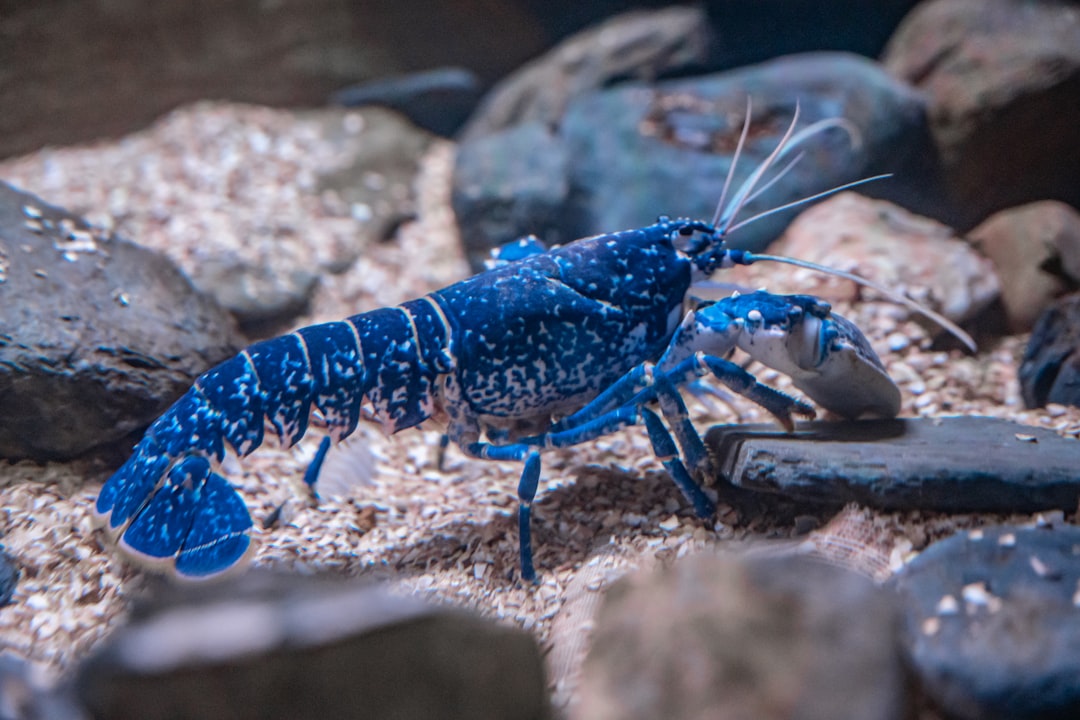
Table of Contents
- Introduction
- Species Overview and Origin
- Tank Setup and Water Parameters
- Feeding and Diet
- Behaviour and Temperament
- Suitable Tank Mates
- Breeding
- Frequently Asked Questions
- Conclusion
Introduction
Few freshwater invertebrates command attention quite like the blue crayfish. With an electric cobalt shell, bold personality and an endlessly entertaining repertoire of digging, climbing and exploring, this crustacean has earned a devoted following among aquarists worldwide — and Singapore is no exception.
This blue crayfish care guide draws on more than two decades of aquascaping and livestock expertise at Gensou, our studio at 5 Everton Park. Whether you are setting up a dedicated crayfish tank or considering one as a centrepiece invertebrate in a larger community, this guide will walk you through everything you need to know to keep your blue crayfish healthy, colourful and thriving in Singapore’s tropical climate.
Species Overview and Origin
The “blue crayfish” most commonly available in Singapore’s aquarium trade is Procambarus alleni, a species native to Florida in the United States. In the wild, this species is typically brown or olive-coloured; the striking blue morph is a selectively bred colour form that has been stabilised through captive breeding over many generations.
Other blue crayfish species occasionally appear in the trade, including Cherax destructor (the Australian yabby) and various Cherax species from Papua New Guinea and Indonesia. However, P. alleni remains the most widely available and the focus of this guide.
Key Identification Features
- Colouration: Vibrant cobalt to sapphire blue across the entire body, with deeper colour intensity in well-maintained specimens.
- Size: Adults reach 10–15 cm total length including claws.
- Claws: Two well-developed chelipeds (pincers) used for feeding, defence and territory marking.
- Body structure: Classic crayfish morphology — segmented abdomen, fan-shaped tail, four pairs of walking legs plus the chelipeds.
- Lifespan: 3–5 years with proper care.
Colour Variations
While the standard electric blue is the most popular, selective breeding has also produced white (ghost), orange and bicolour variants. Colour intensity in blue crayfish is influenced by genetics, diet and water chemistry. A calcium-rich diet and slightly alkaline water tend to produce the deepest blue colouration.
Tank Setup and Water Parameters
Blue crayfish are hardy and adaptable, but they do have specific environmental needs that must be met for long-term success. A single adult requires a minimum of 75 litres, with 100 litres or more strongly recommended to provide adequate territory and reduce aggression if you plan to keep more than one.
Recommended Water Parameters
| Parameter | Ideal Range | Notes |
|---|---|---|
| Temperature | 20–26 °C | Prefers slightly cooler water; a fan or chiller may be needed in non-air-conditioned rooms in Singapore |
| pH | 6.5–8.0 | Tolerates a wide range; slightly alkaline conditions benefit shell health |
| GH (General Hardness) | 8–18 dGH | Moderate to hard water essential for proper moulting and shell formation |
| KH (Carbonate Hardness) | 4–12 dKH | Adequate buffering prevents dangerous pH swings |
| Ammonia / Nitrite | 0 ppm | Crayfish are sensitive to ammonia spikes, especially during and after moulting |
| Nitrate | <30 ppm | Weekly 20–25 % water changes recommended |
| Tank Size (Minimum) | 75 litres | 100 litres or more for pairs or community setups |
Aquascape Layout Tips
Blue crayfish are inveterate diggers and climbers. Your aquascape must account for both of these behaviours to prevent escapes and minimise disruption.
- Substrate: Sand or fine gravel allows natural burrowing behaviour. Avoid sharp substrates that could damage the crayfish’s underside.
- Hiding spots: Provide multiple caves, PVC pipe sections, coconut shells or stacked rocks. Each crayfish needs its own retreat, especially during the vulnerable moulting period.
- Escape prevention: A tight-fitting lid is absolutely essential. Blue crayfish are notorious escape artists and will exploit any gap in the aquarium cover, particularly at night. Seal around filter intakes and cable outlets with foam or mesh.
- Plants: Blue crayfish will uproot, shred and eat most aquatic plants. If you want greenery, stick to attached epiphytes like Java fern and Anubias secured to hardscape, or fast-growing floating plants that the crayfish cannot easily reach. Consider the crayfish tank a hardscape-focused design rather than a lush planted aquascape.
Robust filtration is important — crayfish produce a substantial bioload relative to their size. A canister filter or oversized hang-on-back model with a protected intake (crayfish may climb into unshielded intakes) works well.
Feeding and Diet
Blue crayfish are true omnivores and will eat almost anything they can get their claws on. A balanced diet is essential for vibrant colouration, successful moulting and overall health.
Recommended Diet
- Staple: Sinking shrimp pellets, crayfish-specific pellets or high-quality algae wafers. These form the dietary foundation.
- Protein sources: Blanched prawns, bloodworms (frozen or freeze-dried), earthworms and small pieces of fish. Offer protein 2–3 times per week.
- Vegetable matter: Blanched spinach, kale, courgette and carrot. Dried Indian almond leaves (readily available in Singapore) are an excellent addition — they provide food, tannins and a natural surface for biofilm growth.
- Calcium supplementation: Crushed cuttlebone, calcium-enriched pellets or a piece of limestone in the tank ensure adequate calcium for shell development. This is especially critical around moulting time.
Feed once daily, offering only as much as the crayfish can consume within a few hours. Remove uneaten food promptly to prevent water-quality issues.
Moulting and Nutrition
Blue crayfish moult (shed their exoskeleton) periodically as they grow — juveniles may moult every few weeks, while adults moult every 4–8 weeks. During and immediately after moulting, the crayfish is soft-bodied, vulnerable and often reclusive. Leave the shed exoskeleton in the tank; the crayfish will consume it to recycle valuable calcium and minerals.
Behaviour and Temperament
Blue crayfish are bold, curious and undeniably entertaining. They spend their waking hours (primarily dusk and night) patrolling their territory, rearranging substrate, investigating every corner of the tank and — inevitably — attempting to dismantle any carefully arranged aquascape element they can reach.
Territorial Nature
Make no mistake: blue crayfish are territorial. They will defend their chosen cave or hideout from rivals, tank mates and even your aquarium maintenance tools. Aggression is most pronounced between two males in a confined space, which can result in lost limbs or worse. If you wish to keep multiple crayfish, provide generous floor space (150 litres minimum for a pair) and more hiding spots than there are crayfish.
Climbing and Escaping
These crayfish are remarkably adept climbers. Airline tubing, heater cords, filter intakes — anything that provides a route to the tank rim is a potential escape ladder. We cannot stress this enough: a secure, well-fitting lid with no gaps is mandatory. Escaped crayfish rarely survive long outside the tank.
Interaction with Humans
Blue crayfish quickly learn to associate their keeper with food and may approach the front glass during feeding time. Some hobbyists even hand-feed their crayfish with tweezers — an entertaining party trick, though watch your fingers around those pincers.
Suitable Tank Mates
Choosing tank mates for blue crayfish requires careful thought. Their predatory instincts, territorial behaviour and opportunistic feeding habits limit the pool of compatible companions significantly.
| Tank Mate | Why It Works |
|---|---|
| Fast-Moving Mid-Water Fish (Danios, Rasboras) | Too quick for the crayfish to catch; occupy a different zone in the tank |
| Hatchetfish | Strict surface dwellers that rarely venture near the bottom |
| White Cloud Mountain Minnow | Fast, peaceful and tolerant of slightly cooler temperatures that blue crayfish prefer |
| Larger, Fast-Swimming Barbs | Big enough to avoid predation; quick enough to evade pincers |
Species to Avoid
- Slow-moving bottom dwellers: Corydoras, plecos and loaches will be harassed or killed.
- Shrimp: All ornamental shrimp species — cherry shrimp, Amano shrimp, crystal shrimp — are food, not companions.
- Snails: Most snails will be cracked open and eaten.
- Long-finned fish: Bettas, angelfish and fancy guppies are easy targets for claw damage.
- Other crayfish: Unless your tank is very large with abundant hiding spots, same-species aggression is a serious risk.
Many experienced crayfish keepers in Singapore opt for a species-only setup, which eliminates compatibility concerns entirely and allows you to observe the crayfish’s full range of natural behaviours.
Breeding
Blue crayfish are prolific breeders in captivity, and a healthy pair in the right conditions will reproduce readily — sometimes too readily for aquarists unprepared for a population boom.
Sexing
Males are typically identified by a pair of modified swimmerets (gonopods) near the base of the abdomen, which are more elongated and pointed than in females. Females have a broader tail (used for carrying eggs) and a spermatheca — a small, whitish organ visible on the underside between the last pair of walking legs.
Spawning Process
- Mating: The male pins the female and deposits a sperm packet. This can appear rough but is normal behaviour.
- Egg laying: Within days, the female deposits 50–200 eggs, which she carries attached to her swimmerets under her curled tail. She is said to be “berried” at this stage.
- Incubation: The female fans and grooms the eggs for 3–4 weeks. During this period, she is reclusive and may refuse food. Minimise disturbances.
- Hatching: Miniature crayfish emerge and cling to the mother for several days before dispersing. They are fully independent from hatching.
- Fry rearing: Juvenile crayfish are cannibalistic. Provide dense hiding spots — java moss clumps, piles of small PVC pipe offcuts, or a mesh breeding box — to improve survival rates.
If you do not wish to breed, keep a single specimen or house only same-sex individuals.
Frequently Asked Questions
Do blue crayfish need a heater in Singapore?
Blue crayfish actually prefer slightly cooler water (20–26 °C) than most tropical fish. In air-conditioned rooms, Singapore’s indoor temperatures may suit them perfectly. In non-air-conditioned spaces where water temperatures regularly exceed 28 °C, consider a clip-on fan or aquarium chiller to bring temperatures down. A heater is virtually never needed.
Why has my blue crayfish turned white or pale?
A sudden colour change to white or pale blue almost always indicates an imminent moult. The crayfish is separating from its old exoskeleton, and the new shell underneath has not yet developed full pigmentation. Colour returns within a few days after moulting. If paleness persists without moulting, check water parameters and diet — calcium deficiency and poor nutrition can cause lasting colour loss.
Can I keep a blue crayfish in a planted aquascape?
You can try, but expect significant plant damage. Blue crayfish will dig up rooted plants, shred soft-leaved species and munch on anything within reach. If you want greenery, use epiphytic plants attached securely to hardscape above the crayfish’s reach, or opt for floating plants. A dedicated crayfish tank is best designed around rocks, caves and driftwood rather than living plants.
Is it legal to keep blue crayfish in Singapore?
As of the time of writing, Procambarus alleni is available through licensed aquarium retailers in Singapore. However, regulations regarding invasive species can change. Always purchase from reputable local shops and never release crayfish into natural waterways — they can cause devastating ecological damage to native habitats.
Related Reading
- Blue Acara Cichlid Care Guide: The Overlooked Gem
- Aura Blue Shrimp Care Guide: Caridina Cantonensis Blue Morph
- How to Breed Blue Bolt Shrimp: Taiwan Bee Colour Selection
- Blue Bolt Shrimp Care Guide: The Crown Jewel of Caridina
- How to Breed Blue Dream Shrimp: Neocaridina Colour Line Selection
Conclusion
The blue crayfish is an aquarium inhabitant like no other — bold, beautiful and brimming with personality. Its electric blue colouration, entertaining antics and interactive nature make it a genuine centrepiece species, whether kept solo or in a carefully planned community.
This blue crayfish care guide should equip you with everything you need to provide a thriving environment for these remarkable crustaceans. The essentials are straightforward: a secure lid, adequate hiding spots, a calcium-rich diet, clean water and respect for their territorial instincts.
Interested in adding a blue crayfish to your collection? Visit Gensou at 5 Everton Park, Singapore to see our crayfish in person and pick up all the supplies you need. You can also browse our online shop for livestock and equipment. For a custom-designed crayfish habitat or any aquascaping project, get in touch with our team or explore our custom aquarium service — we have been helping Singapore aquarists create stunning setups for over 20 years.



