
Black Skirt Tetra Care Guide: Bold Shape and Easy Keeping
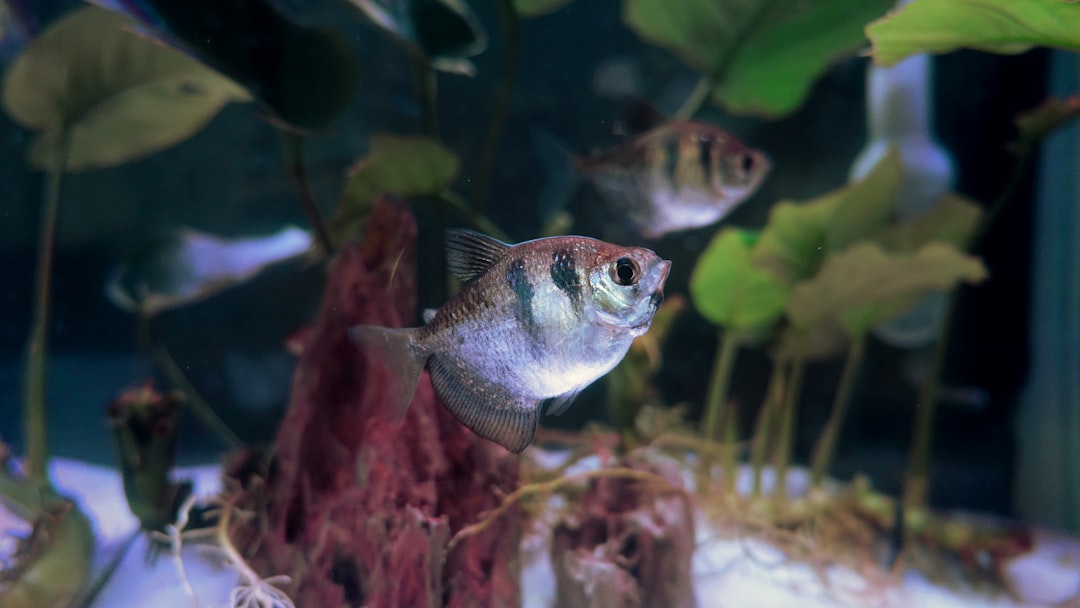
The black skirt tetra (Gymnocorymbus ternetzi), also known as the black widow tetra, is one of the most recognisable freshwater aquarium fish. Its tall, compressed body and flowing black anal fin create a distinctive silhouette that stands out in any community tank. This black skirt tetra care guide from Gensou Aquascaping at 5 Everton Park will help you get the most from these hardy, attractive schooling fish.
Black Skirt Tetra Overview
Black skirt tetras originate from the Paraguay and Guaporé river basins in South America. They grow to 5–6 cm and live for three to five years with proper care. Juveniles display deep black colouration that gradually fades to a smoky grey as they mature. Several bred variants exist, including the long-fin black skirt, white skirt and the controversial GloFish versions.
Tank Requirements
A school of six to eight black skirt tetras does well in a 75-litre tank or larger. They prefer moderate water flow and appreciate a well-planted tank with open swimming areas in the centre. Maintain the temperature between 22 °C and 28 °C, with a pH of 6.0–7.5 and GH of 5–15 dGH. Singapore’s warm climate keeps temperatures in range without much effort.
Diet and Feeding
Black skirt tetras are unfussy omnivores. A quality tropical flake or micro pellet forms the staple diet. Supplement with frozen bloodworm, brine shrimp and daphnia for variety and colour enhancement. They also accept blanched vegetables and will eagerly eat live foods. Feed twice daily in small portions — these fish have good appetites and will overeat if allowed.
Tank Mates
Black skirt tetras are generally peaceful but can nip the fins of slow-moving, long-finned fish like bettas, angelfish and fancy guppies. Keep them in groups of six or more to reduce nipping behaviour, as a tight school directs their energy toward each other instead of tank mates. Good companions include other tetras, rasboras, Corydoras, bristlenose plecos, dwarf gouramis and barbs of similar size.
Aquascaping for Black Skirt Tetras
These tetras look striking against a densely planted backdrop. Use tall stem plants like Vallisneria and Hygrophila at the rear, with midground plants like Cryptocoryne and Anubias providing contrast. Dark substrate enhances their colouration. Driftwood and scattered leaf litter recreate their natural habitat and add tannins that these fish appreciate.
Breeding Black Skirt Tetras
Black skirt tetras are egg scatterers that breed readily in captivity. Condition a pair with high-protein foods for one to two weeks, then transfer them to a separate breeding tank with fine-leaved plants or a spawning mop. The female scatters 300–500 eggs, which hatch in 24–36 hours. Remove the adults immediately after spawning, as they will eat the eggs. Fry become free-swimming after three days and can eat infusoria followed by baby brine shrimp.
Common Health Issues
Black skirt tetras are one of the hardiest tetras available. Ich may appear after sudden temperature drops, and fin rot can develop in poorly maintained tanks. Their robust constitution makes them excellent fish for beginners. Regular water changes and a varied diet keep most health issues at bay.
Related Reading



