
Leopard Danio Care Guide: Spotted Cousin of the Zebra
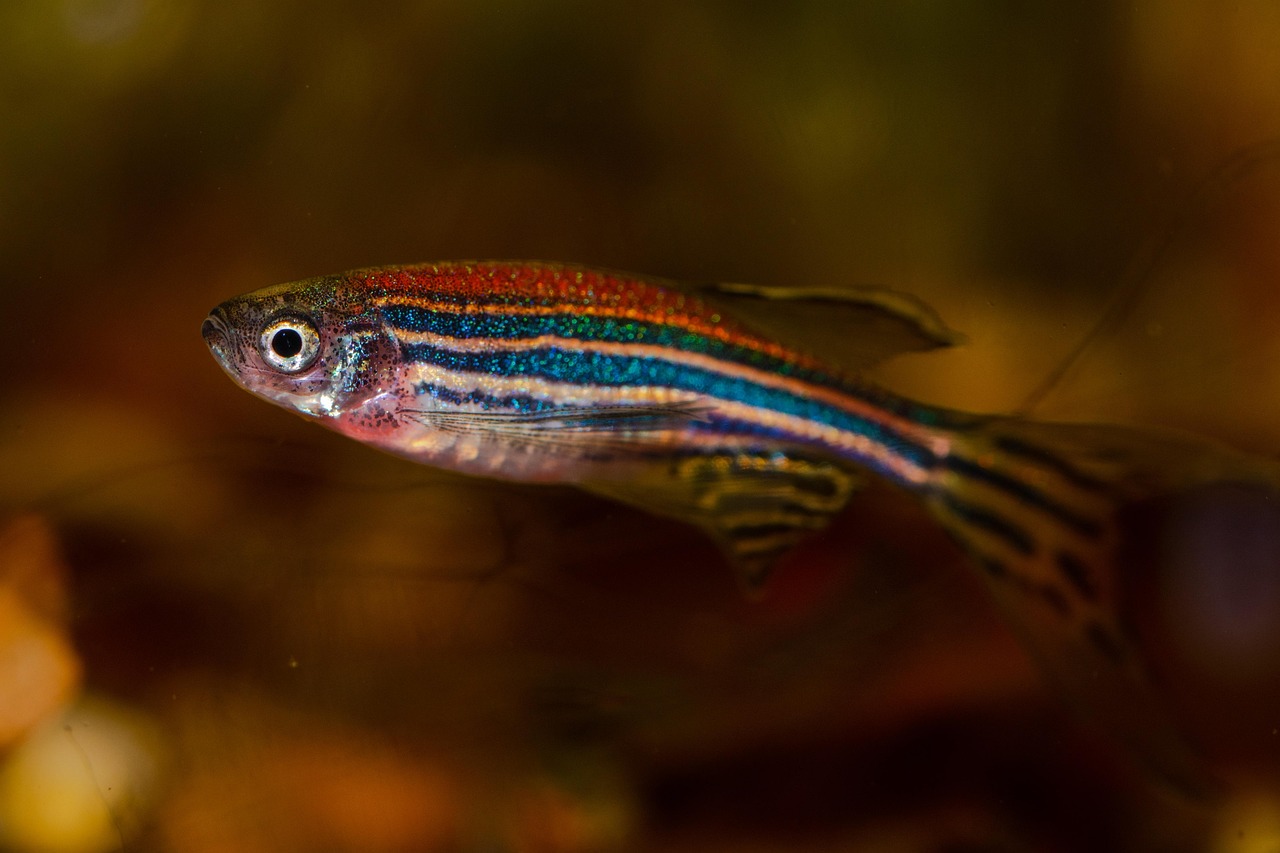
The leopard danio (Danio rerio var. frankei) is a spotted variant of the common zebra danio, displaying a beautiful pattern of dark spots and dashes against a gold-silver body instead of the typical horizontal stripes. Active, hardy and endlessly entertaining, it makes an excellent addition to community tanks. This leopard danio care guide from Gensou Aquascaping at 5 Everton Park covers everything you need to keep these energetic schooling fish. This guide sits inside our broader Tropical Fish Species Master Index reference.
Leopard Danio Overview
Leopard danios share the same species as zebra danios and were once classified as a separate species (Danio frankei). The spotted pattern is caused by a naturally occurring genetic mutation. They grow to 4–5 cm and live for three to five years. Long-fin varieties are also available, adding flowing finnage to the spotted pattern. Their care requirements are identical to zebra danios.
Tank Requirements
A school of six to ten leopard danios needs at least a 60-litre tank. They are among the most active freshwater fish, constantly zipping back and forth across the tank, so a longer tank is always better than a tall one. Maintain the temperature between 18 °C and 26 °C — they actually prefer slightly cooler water than many tropical fish, making them ideal for unheated tanks in air-conditioned Singapore rooms. Target a pH of 6.0–8.0 and GH of 5–15 dGH.
Diet and Feeding
Leopard danios eat anything offered. A quality tropical flake or micro pellet works as the staple. Supplement with frozen or live brine shrimp, daphnia, bloodworm and crushed spirulina. They feed primarily at the surface and mid-water but will chase food throughout the tank. Feed twice daily in amounts consumed within two minutes.
Tank Mates
Their peaceful nature and tolerance of varied water conditions make leopard danios versatile community fish. Good tank mates include other danios, rasboras, tetras, Corydoras, barbs, gouramis and livebearers. Avoid pairing them with slow-moving, long-finned species like bettas — the danios’ relentless activity can stress calm fish. Their own fin-nipping tendency is minimal when kept in adequate schools.
Aquascaping for Leopard Danios
Provide an open swimming lane along the front and sides of the tank, with planted areas at the back and sides for resting spots. Hardy plants like Java Fern, Vallisneria and Hygrophila withstand the danios’ energetic swimming. Moderate to strong water flow mimics their natural stream habitat and encourages natural schooling behaviour.
Breeding Leopard Danios
Leopard danios are prolific egg scatterers. Set up a breeding tank with a layer of marbles or spawning grate on the bottom to protect eggs from being eaten. Condition pairs with high-protein foods for a week, then place them in the breeding tank in the evening — spawning typically occurs at dawn. Females scatter 100–400 eggs during an energetic chase. Remove adults immediately. Eggs hatch in 48–72 hours, and fry eat infusoria and then baby brine shrimp.
Common Health Issues
Leopard danios are extremely hardy and resist most common diseases. Mycobacterial infections can occasionally cause wasting, and ich may appear after severe temperature drops. Their resilience is legendary — they are widely used in scientific research precisely because of their robustness. Good water quality and a varied diet are usually all that is needed to keep them healthy for years.
Related Reading
- Leopard Danio vs Zebra Danio: Pattern Genetics and Care Differences
- How to Breed Celestial Pearl Danios: Galaxy Rasbora Fry Guide
- Celestial Pearl Danio Care Guide: Galaxy Rasbora in Nano Tanks
- Celestial Pearl Danio vs Ember Tetra: Which Nano Fish to Choose
- Celestial Pearl Danio vs Neon Tetra: Which Is Right for You?



