How to Combine Driftwood and Stone in One Aquascape
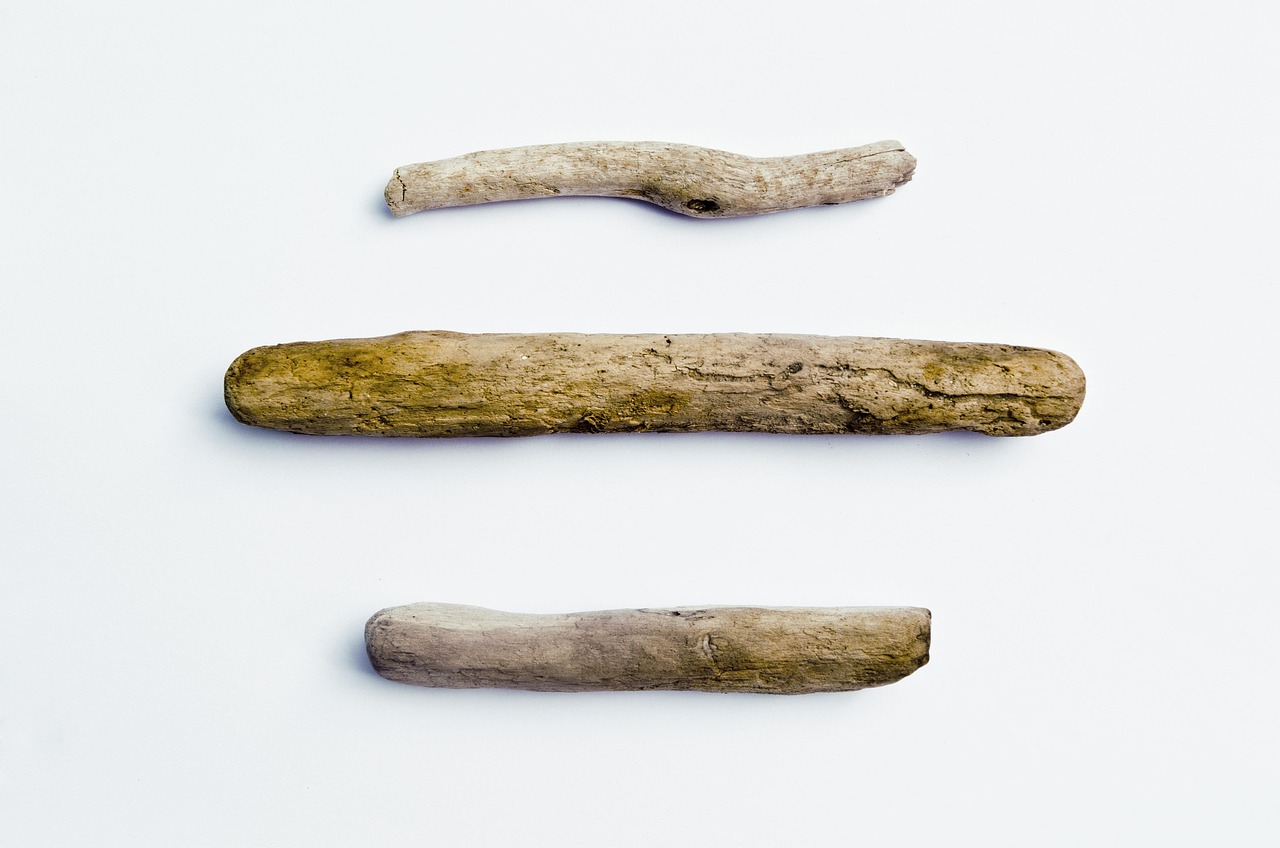
Using both driftwood and stone in a single aquascape creates richness and complexity that neither material achieves alone. Rock provides structure and permanence; wood adds organic movement and warmth. Together they mimic the natural landscapes where rivers carve through rocky terrain and fallen trees settle among boulders. This driftwood stone aquascape combo guide from Gensou Aquascaping at 5 Everton Park shows you how to combine them effectively. This guide sits inside our broader Planted Tank Complete Hub reference.
Why Combine Wood and Stone?
In nature, wood and stone coexist everywhere — driftwood lodged between river boulders, tree roots gripping rocky outcrops, fallen branches resting on stony streambeds. An aquascape that uses only rock can feel cold and sterile. One that uses only wood can feel chaotic and soft. Combining both creates visual tension between the hard geometry of stone and the organic curves of wood — a balance that the eye finds deeply satisfying.
Pairing Materials
Not all wood-and-stone combinations work. The key is visual compatibility:
Dragon stone + spider wood: The most popular pairing in modern aquascaping. Dragon stone’s warm yellow-orange tones and organic texture complement spider wood’s branching forms. Both have an earthy, natural character that blends well.
Seiryu stone + dark driftwood: Cool grey stone with dark wood creates a more dramatic, high-contrast look. The angular stone lines against curved wood forms produce visual tension.
Lava rock + Red Moor wood: Both have warm, dark tones and rough textures. They create a cohesive volcanic or forest-floor feel.
Avoid: Mixing too many material types. One type of stone and one type of wood is usually enough. Multiple stone types fight for attention and look unnatural.
Establishing Hierarchy
Decide which material is the star and which is the supporting actor. In a mountain layout, stone dominates and a single piece of wood adds accent. In a forest layout, wood takes centre stage and stones anchor the base. Giving both materials equal emphasis creates a confused composition with no clear focal point. Let one lead and the other support.
Placement Techniques
Wood emerging from stone: Wedge driftwood between or behind rock formations so it appears to grow from the rocky landscape. This creates a natural transition between materials.
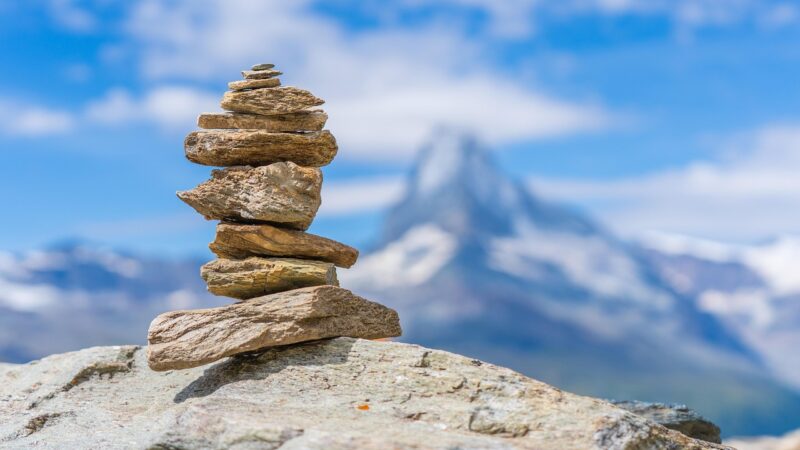
Stone anchoring wood: Place stones at the base of driftwood to secure it and create the impression that the wood settled naturally against the rocks. The stone provides visual weight that grounds the lighter-looking wood.
Shared substrate line: Where wood and stone meet, let substrate and small pebbles fill the joint naturally. This seamless transition prevents the materials from looking like separate elements placed side by side.
Overlapping zones: Rather than putting all stone on one side and all wood on the other, let their zones overlap. A stone partially obscured by a wood branch creates depth and natural complexity.
Design Principles
Odd numbers: Use an odd total of hardscape pieces — three stones and one wood piece, or one stone and three wood pieces. Odd groupings feel more natural.
Consistent flow direction: Arrange both wood and stone so they suggest the same directional movement — all leaning slightly right, or all flowing from left to right. Conflicting directions create visual chaos.
Height variation: Create a composition with varying heights. A tall piece of driftwood balanced by a medium stone and a small accent rock produces a dynamic skyline.
Negative space: Leave open areas between wood and stone elements. The empty space allows the eye to rest and makes the hardscape elements more impactful.
Planting the Combined Layout
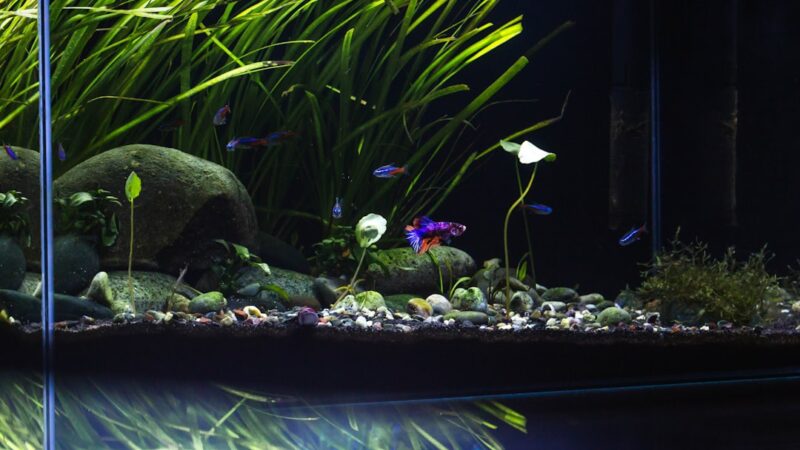
Use planting to unify the two materials. Moss attached to both wood and stone creates visual continuity between them. Epiphytes like Bucephalandra and Anubias look equally natural on rock and wood surfaces. Stem plants behind the hardscape frame both materials. A carpeting plant in the foreground ties everything together with a consistent green base.
Common Mistakes
Too much hardscape: A tank crammed with both wood and stone leaves no room for planting and swimming space. Leave at least 40 per cent of the floor plan open.
Conflicting styles: Extremely angular, formal stone arrangements clash with wild, organic wood forms. Match the character of your stone and wood — natural-looking stone with natural-looking wood.
Ignoring water chemistry: Some stones raise pH and hardness while some driftwood releases acids and tannins. Test your water after adding both materials and adjust if the combined effect pushes parameters too far for your livestock.
Skipping the dry layout: Always arrange wood and stone outside the tank first (called a dry layout or hardscape preview). Photograph it from the front. Make adjustments. Only when you are satisfied should you commit to the final arrangement in the tank.
Related Reading