
How to Breed Bristlenose Plecos: Caves, Fry and Tips
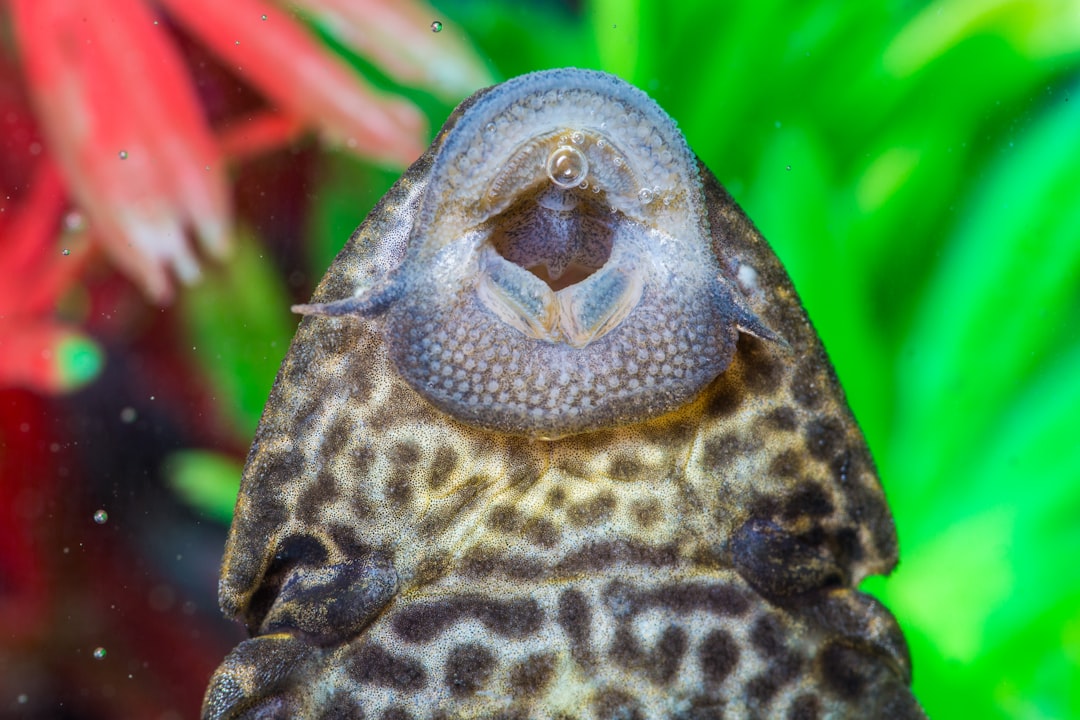
Bristlenose plecos (Ancistrus spp.) are among the easiest fish to breed in freshwater aquariums — provided you give them the right conditions. A pair with a suitable cave can produce 50–100 fry every few weeks, making them a rewarding species for hobbyist breeders. This breed bristlenose pleco guide from Gensou Aquascaping at 5 Everton Park walks you through the entire process.
Sexing Bristlenose Plecos
Males develop prominent bristle-like tentacles (odontodes) on the upper lip and nose from around six months of age. Mature males have elaborate branching bristles. Females may have small bumps along the lip edge but never develop the prominent bristles. Males are also slightly larger with a broader head. You need at least one male and one female — a ratio of one male to two or three females works well for consistent breeding.
The Breeding Cave
The cave is the most critical element. Males claim a cave, clean it obsessively, and lure females inside to spawn. Suitable caves include ceramic pleco caves (widely available in Singapore aquarium shops for $3–$8), PVC pipe cut to 10–15 cm with one end capped, coconut shell halves, or natural rock formations with appropriately sized openings. The cave should be just wide enough for the male to enter — a snug fit is preferred. Provide multiple caves if keeping more than one male.
Conditioning for Breeding
Feed heavily with high-quality foods: blanched zucchini, cucumber, sweet potato, algae wafers and occasional protein like frozen bloodworm. A well-fed female develops visible eggs as a plump orange-yellow belly. Perform a large water change (40–50 per cent) with slightly cooler water — this simulates the rainy season and often triggers spawning within 24–48 hours. Lowering the temperature by 2–3 °C during the water change is a proven trigger.
The Spawning Process
The male cleans his chosen cave, then fans his tail to attract a passing female. When receptive, the female enters the cave and deposits 50–100 bright orange adhesive eggs on the ceiling and walls. The male fertilises the eggs and immediately takes over all parental duties. He guards the cave, fans the eggs with his fins for oxygenation, and removes any infertile eggs. The female plays no further role and can be left in the tank or removed.
Egg Development and Hatching
Eggs hatch in four to ten days depending on temperature (faster at warmer temperatures). During this period, do not disturb the male or the cave. You may see him briefly leave to eat and return quickly. The newly hatched fry have large yolk sacs attached to their bellies and remain in or near the cave for another three to five days while absorbing the yolk. The male continues guarding during this stage.
Fry Care
Once fry are free-swimming and leave the cave, they begin grazing on biofilm and surfaces. Offer blanched zucchini slices, crushed algae wafers and spirulina powder as supplementary food. Fry grow fastest in a dedicated grow-out tank with frequent water changes (every two to three days) and abundant food. In a community tank, some fry survive among plants and hiding spots, but survival is lower due to predation. Fry reach sellable size (3–4 cm) in approximately three to four months.
Common Breeding Problems
Male eats the eggs: First-time fathers sometimes eat eggs. This often resolves with subsequent spawns. Ensure the male is well-fed and undisturbed. Eggs turn white and fungus: Infertile eggs turn white and develop fungus. A few are normal — the male removes them. If all eggs fungus, the male may be infertile or water quality may be poor. Female won’t enter the cave: The cave may be too large, too small, or in an undesirable location. Try different cave types and positions. No spawning at all: Ensure you have both sexes, provide caves, feed well, and trigger with cool water changes.
Managing Fry Numbers
Bristlenose plecos breed prolifically. A productive pair can overwhelm you with fry. Sell or trade excess fry through Singapore’s active aquarium hobby groups on Carousell, Facebook and Telegram. Most local fish shops also buy or accept bristlenose fry at 3–4 cm size. Plan your grow-out space before encouraging breeding — responsible breeders ensure homes for their fry.
Related Reading
- Albino Bristlenose Pleco Care Guide: Pale and Popular
- Bristlenose Pleco Colour Morphs: Albino, Super Red and Longfin
- Bristlenose Pleco Diet and Feeding Guide: Algae, Veggies and Wood
- Clown Pleco vs Bristlenose Pleco: Size, Diet and Algae Eating
- How to Breed Amano Shrimp: The Challenging but Rewarding Process



