Best Aquarium Setup for Singapore HDB Flats
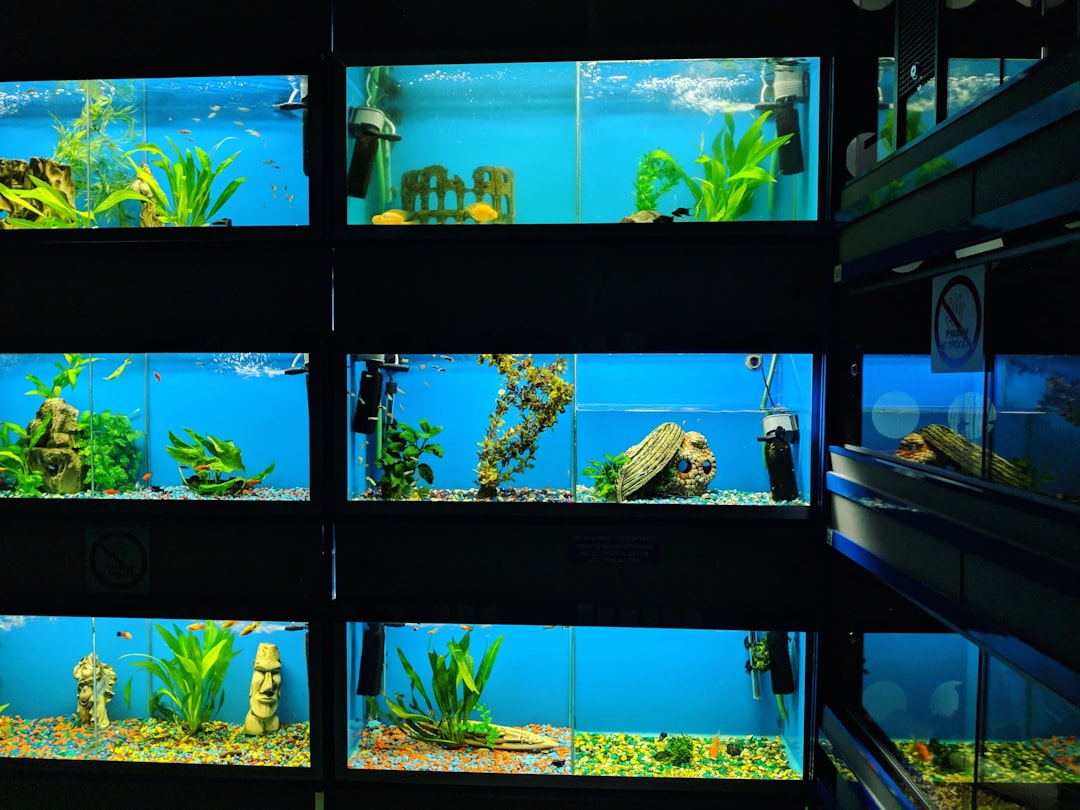
Choosing the best aquarium HDB flat Singapore setup requires careful consideration of space, weight, noise and practicality. Most Singaporeans live in HDB flats, and the hobby thrives in these homes — but a few smart decisions at the planning stage prevent headaches later. At Gensou Aquascaping at 5 Everton Park, we regularly help customers design aquarium setups that fit seamlessly into HDB living. This guide sits inside our broader Singapore Aquarium Hobbyist Guide reference.
Tank Size and Weight Limits
HDB floors are engineered to support residential loads, but a large aquarium concentrates significant weight in a small area. A standard 60-centimetre tank holds approximately 60 litres and weighs around 75 kilograms when filled with water, substrate and hardscape. A 90-centimetre tank can exceed 150 kilograms. As a general guideline, tanks up to 120 centimetres are manageable in most HDB flats when placed against a load-bearing wall.
Position your tank along an external wall or a wall shared with a corridor rather than on a cantilevered balcony or in the centre of a room. This distributes weight more effectively across the structural support system. If you plan a tank larger than 120 centimetres, consult a professional to assess your specific floor’s capacity.
Choosing the Right Location
Avoid placing your tank near windows that receive direct sunlight. In Singapore, afternoon sun through west-facing windows can heat a tank rapidly and fuel excessive algae growth. Choose a location that receives indirect or no natural light — the living room is the most popular choice, followed by bedrooms and study areas.
Ensure the chosen spot has a nearby electrical outlet with sufficient capacity for your equipment — filter, heater or chiller, lighting and potentially a CO2 solenoid. A power strip with surge protection is recommended to safeguard your equipment from voltage fluctuations.
Recommended Tank Sizes for HDB Rooms
For a living room or study, a 60-centimetre tank (approximately 60 litres) offers an excellent balance of visual impact and manageable maintenance. It fits on a standard aquarium cabinet and accommodates a wide variety of fish, shrimp and aquatic plants.
For bedrooms, a nano tank between 20 and 30 litres is ideal. These smaller setups are perfect for shrimp colonies or a small group of micro fish like Chili Rasboras. They produce minimal noise and require modest equipment.
If space permits, a 90-centimetre tank (approximately 150 litres) is the sweet spot for serious hobbyists. It provides enough volume for stable water parameters and sufficient depth for impressive aquascaping while remaining practical in an HDB setting.
Noise and Vibration Considerations
Sound travels easily through HDB walls and floors. Choose equipment that operates quietly — canister filters are generally quieter than hang-on-back models, and inline CO2 diffusers eliminate the buzzing that some ceramic diffusers produce. Avoid air pumps near shared walls, or use a vibration-dampening pad beneath the pump.
Place a thin rubber or foam mat between the tank and its cabinet to absorb vibrations. This small step significantly reduces the low-frequency hum that can transmit through furniture and into the floor.
Temperature Management Without a Chiller
HDB flats in Singapore can be warm, especially without air conditioning. Aquarium water temperatures often reach 29 to 31 degrees Celsius during the day. For tropical community fish, this is generally tolerable, but sensitive species and many aquatic plants prefer temperatures below 28 degrees.
A clip-on fan directed at the water surface cools through evaporation and can lower the temperature by two to four degrees. This is the most cost-effective cooling solution for HDB hobbyists. Top up evaporated water with dechlorinated water or RO water to maintain stable parameters. If you keep species that demand cooler water, a small chiller is a worthwhile investment.
Water Changes Made Easy
In an HDB flat, the kitchen or bathroom sink is usually your water change station. Invest in a gravel vacuum with a long hose that reaches from the tank to the nearest drain. For filling, a bucket system works for smaller tanks, while a hose connected to the tap with an inline dechlorinator speeds up the process for larger setups.
Store RO water or pre-treated water change water in food-safe containers. A 20-litre jerry can fits neatly in a storeroom or under a sink and provides enough water for a standard weekly water change on a 60-centimetre tank.
Furniture and Cabinet Selection
Never place an aquarium on furniture that is not rated for the weight. Standard IKEA shelves and TV consoles are not designed to support 75 kilograms or more. Use a purpose-built aquarium cabinet or a sturdy metal stand rated for the load. Ensure the surface is perfectly level — an uneven base creates stress points on the glass that can lead to cracks or leaks.
Waterproof the cabinet interior and the floor beneath it with a tray or waterproof mat. Small drips during maintenance are inevitable, and protecting your HDB floor from water damage saves costly repairs.
Getting Started
Setting up an aquarium in an HDB flat is entirely achievable with a bit of planning. Choose the right size, place it wisely, manage noise and temperature, and you will have a stunning living feature that brings nature into your home. Visit Gensou Aquascaping for tanks, cabinets and equipment suited to HDB living, along with expert setup advice from people who understand Singapore homes.
Related Reading