
Pike Cichlid Care Guide: The Ambush Predator
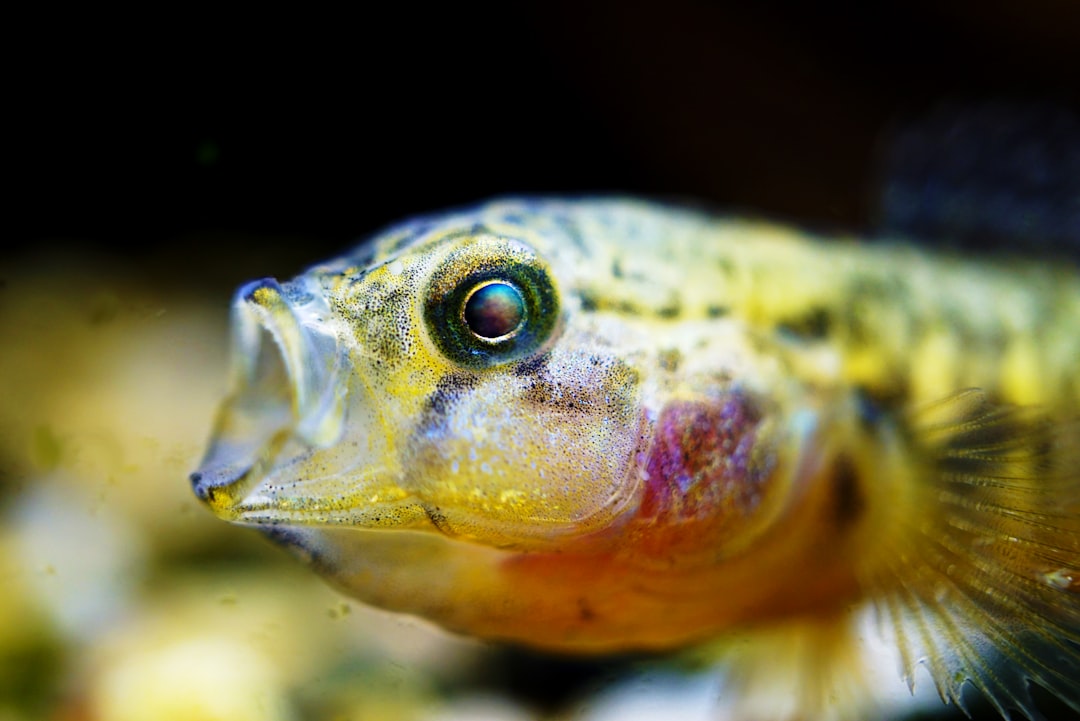
This pike cichlid care guide is written for aquarists in Singapore who appreciate predatory fish with intelligence and character. At Gensou Aquascaping, 5 Everton Park, we find pike cichlids among the most fascinating species we work with, rewarding keepers who understand their unique hunting instincts and territorial nature.
Species Overview and Origin
Pike cichlids belong to the genus Crenicichla, one of the most species-rich cichlid genera in South America. They are found across river systems in Brazil, Argentina, Uruguay and Venezuela. The common name stems from their elongated, torpedo-shaped body and large mouth, which bear a superficial resemblance to the northern pike. Depending on the species, adults range from 15 centimetres for dwarf varieties to over 40 centimetres for larger types like Crenicichla saxatilis. Their lateral stripe, bold patterning and watchful eyes give them a distinctly predatory appearance.
Tank Size and Environment
Dwarf pike cichlids can be housed in tanks of 200 litres, but medium and large species require 400 litres or more. A long, rectangular tank suits their active swimming style and ambush hunting behaviour. Provide a sandy or fine gravel substrate along with plenty of driftwood, rocks and caves. Dense plantings of hardy species like Vallisneria and Echinodorus help replicate their natural habitat while offering sight-line breaks. Pike cichlids are powerful swimmers and may rearrange lighter decor, so anchor plants securely or attach them to hardscape. A tight-fitting lid is essential, as these fish are known jumpers.
Water Parameters
Most pike cichlids prefer slightly acidic to neutral water with a pH of 5.5 to 7.0, a temperature of 24 to 28 degrees Celsius and soft to moderately hard water of 2 to 15 dGH. Singapore’s tap water may need adjustment with peat filtration or Indian almond leaves to lower pH for sensitive species. Maintain ammonia and nitrite at zero and nitrate below 20 parts per million. Strong filtration is critical because these fish produce considerable waste, especially when fed protein-rich diets. A canister filter with a turnover rate of at least five times the tank volume per hour is recommended.
Feeding and Diet
Pike cichlids are strict carnivores. In the wild, they ambush smaller fish, shrimp and aquatic invertebrates. In captivity, offer a varied diet of frozen foods such as prawns, bloodworms, lance fish and mussel. Many pike cichlids can be trained to accept high-quality carnivore pellets, which simplifies long-term feeding and ensures complete nutrition. Feed juveniles daily and adults every other day to prevent obesity. Never use live feeder fish sourced from unreliable suppliers, as they carry a high risk of introducing parasites and disease.
Behaviour and Aggression
Pike cichlids are territorial and can be highly aggressive, particularly towards conspecifics and fish of similar shape. They are ambush predators by nature, often lying motionless among plants or driftwood before striking with explosive speed. This behaviour is captivating to observe but means any fish small enough to fit in their mouth will eventually become a meal. During breeding, aggression escalates significantly. Keep pike cichlids with species that can hold their own and that occupy different areas of the water column.
Compatible Tankmates
Suitable companions include large, robust species such as silver dollars, larger catfish like Pseudoplatystoma or Pterygoplichthys, and other assertive cichlids of comparable size. Avoid slow-moving, long-finned fish that make easy targets. In a community predator setup, ensure the tank offers ample hiding spots and visual barriers to reduce confrontation. At Gensou Aquascaping, we advise customers to research the specific Crenicichla species they intend to keep, as temperaments vary considerably across the genus.
Breeding Pike Cichlids
Pike cichlids are cave spawners. A bonded pair will claim a secluded cave or crevice, and the female deposits eggs on the ceiling or walls of the chosen site. The female typically guards the eggs while the male patrols the outer territory. Eggs hatch in three to five days, and the fry become free-swimming within a week. Feed fry with baby brine shrimp and microworms. Breeding pairs become extremely aggressive, so a dedicated breeding tank is strongly recommended to protect other inhabitants.
Health Considerations
Pike cichlids are generally hardy when water quality is maintained. They are susceptible to hole-in-the-head disease if kept in suboptimal conditions or fed a monotonous diet. Bacterial infections and parasitic infestations can occur if water changes are neglected. Quarantine all new arrivals for a minimum of two weeks. Observe feeding response and body condition regularly, as a pike cichlid that refuses food is often the first sign of underlying illness. For species-specific advice suited to Singapore’s climate and water supply, visit Gensou Aquascaping at 5 Everton Park.
Related Reading



