
Green Neon Rasbora Care Guide: Emerald Flash in Nano Tanks
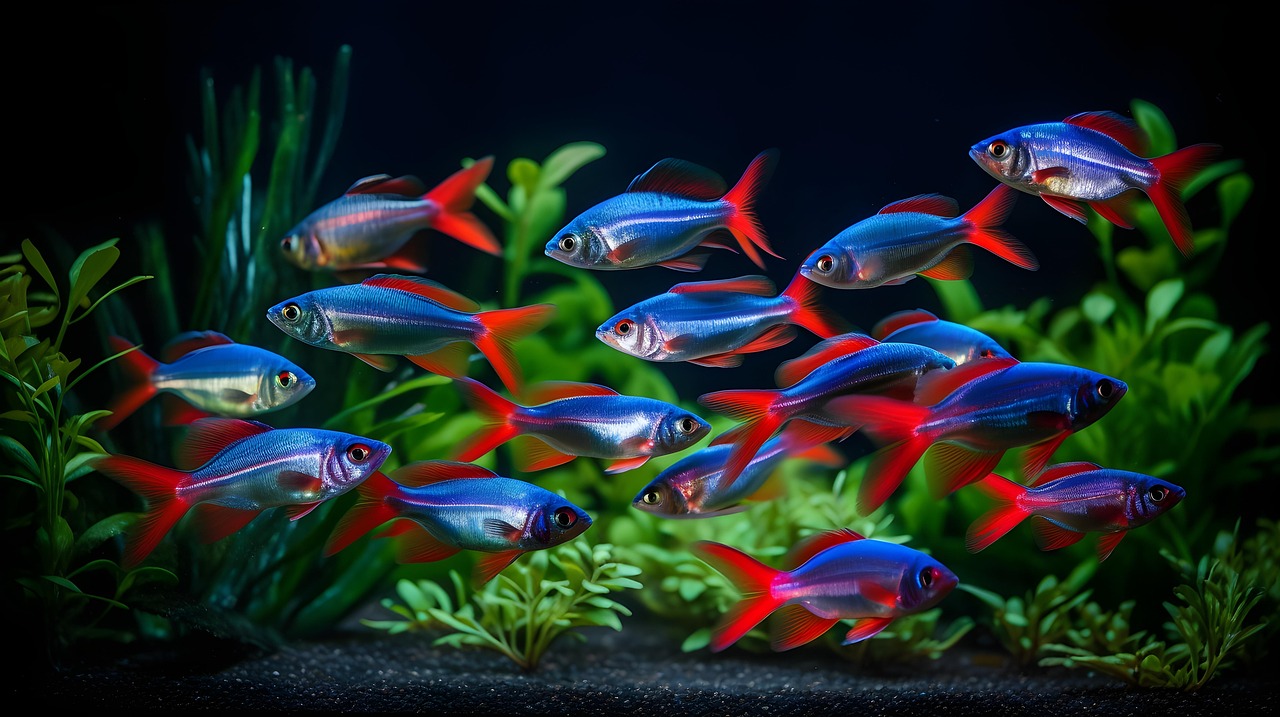
This green neon rasbora care guide covers everything you need to know about keeping Microdevario kubotai‘s close cousin, Microdevario nana, in a planted nano aquarium. At Gensou Aquascaping, located at 5 Everton Park, Singapore, we regularly recommend this tiny emerald gem to hobbyists seeking a flash of iridescent green in compact layouts. This guide sits inside our broader Tropical Fish Species Master Index reference.
Species Overview and Origin
The green neon rasbora hails from slow-moving streams in Myanmar and Thailand, where it inhabits shallow, densely vegetated margins. Adults rarely exceed 2 cm, making them one of the smallest cyprinids available in the Singapore aquarium trade. Their lateral stripe glows an electric green-blue under planted tank lighting, creating a striking contrast against dark substrates and lush foliage.
Despite their diminutive size, green neon rasboras are hardy once acclimatised to stable water conditions. They belong to the family Danionidae and are sometimes sold under the synonym Microrasbora nana.
Tank Size and Setup
A 20-litre nano tank is the minimum recommended volume for a small group, though a 40-litre aquarium allows for a more natural shoal of 12 or more. Because Singapore’s tap water tends to be slightly alkaline after treatment, pairing an active buffering substrate with Indian almond leaves helps create the softer conditions these fish prefer.
Use fine-grained soil or sand, and plant densely with mosses, Cryptocoryne species, and floating plants such as Salvinia. Gentle filtration from a sponge filter or a small hang-on-back unit set to low flow suits them well, as they are not strong swimmers.
Water Parameters
Green neon rasboras thrive in soft, slightly acidic water. Aim for a temperature between 22 and 26 degrees Celsius, which is comfortable in air-conditioned Singapore homes or rooms with a small heater. Ideal pH sits between 6.0 and 7.0, with general hardness of 2 to 8 dGH.
Perform weekly water changes of around 20 to 30 per cent. In Singapore’s climate, room temperature can climb above 28 degrees during hot spells, so keep the tank away from direct sunlight and consider a small fan to promote evaporative cooling if needed.
Diet and Feeding
These micro fish have tiny mouths, so food must be appropriately sized. Crush high-quality micro pellets or flake food into fine particles. Supplement with live or frozen baby brine shrimp, micro worms, and daphnia to encourage vibrant colouration and active behaviour.
Feed small amounts twice daily rather than one large meal. Overfeeding fouls the water quickly in nano setups, so remove any uneaten food after a few minutes. A varied diet rich in protein supports healthy growth and enhances the signature emerald shimmer.
Behaviour and Tank Mates
Green neon rasboras are peaceful, mid-water schooling fish. Keep them in groups of at least eight to reduce stress and encourage natural shoaling behaviour. When kept in sufficient numbers, they display more intense colour and swim confidently in the open.
Suitable companions include other nano species such as Boraras rasboras, pygmy corydoras, small shrimp like cherry shrimp, and peaceful snails. Avoid housing them with larger or aggressive fish that may view them as food. In an iwagumi or nature-style aquascape, their emerald flash adds a dynamic focal point among the greenery.
Health and Common Issues
Stable water quality is the best preventive measure. Green neon rasboras can be susceptible to ich and velvet disease, particularly after importation stress. Quarantine new arrivals for at least two weeks before introducing them to an established display tank.
Watch for signs of lethargy, clamped fins, or white spots. Treat infections promptly with appropriate medications dosed carefully for nano volumes. Maintaining consistent parameters and avoiding sudden temperature swings go a long way in keeping these fish healthy year-round in Singapore’s tropical environment.
Breeding Tips
Breeding green neon rasboras in captivity is possible but challenging due to the tiny size of the eggs and fry. Condition a pair with protein-rich live foods for one to two weeks. A separate breeding tank with fine-leaved moss or spawning mops helps protect the eggs from predation.
The eggs are scattered among plants and hatch in roughly 48 to 72 hours. Fry are extremely small and require infusoria or liquid fry food for the first week before graduating to freshly hatched baby brine shrimp. Dim lighting and minimal disturbance improve survival rates.
Why Choose Green Neon Rasboras for Your Aquascape
Few nano fish deliver as much visual punch per centimetre as the green neon rasbora. Their luminous stripe complements green carpets, dark driftwood, and virtually any aquascaping style. For hobbyists in Singapore looking to stock a compact planted tank with colour and movement, this species is an outstanding choice. Visit Gensou Aquascaping at 5 Everton Park for personalised advice on incorporating green neon rasboras into your next layout.
Related Reading



