Nicaraguan Cichlid Care Guide: Gold and Turquoise Powerhouse
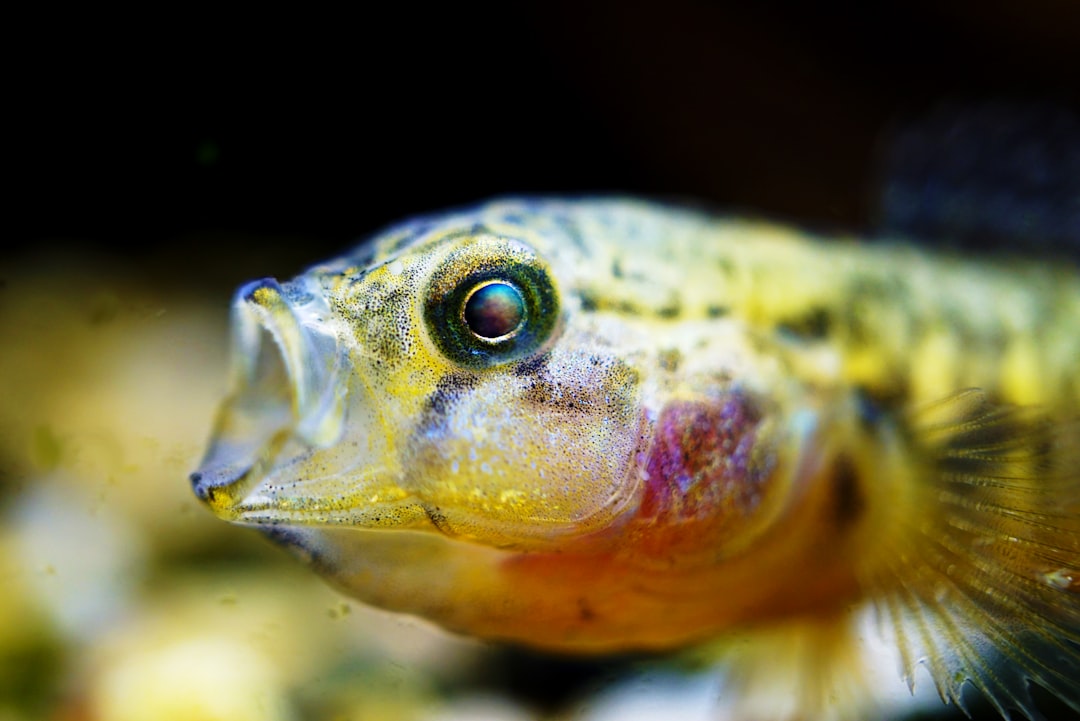
This nicaraguan cichlid care guide introduces one of Central America’s most striking yet underrated cichlids. At Gensou Aquascaping, based at 5 Everton Park, Singapore, we appreciate the Nicaraguan cichlid (Hypsophrys nicaraguensis) for its dazzling gold and turquoise colouration paired with a robust constitution that suits experienced fishkeepers.
Species Overview and Natural Habitat
The Nicaraguan cichlid is endemic to Lake Nicaragua, Lake Managua and surrounding river systems in Central America. Adults grow to around 25 centimetres, with males slightly larger than females. Their most distinctive feature is a brilliant gold belly that contrasts sharply with turquoise-blue flanks and a dark lateral band. Males develop a pronounced nuchal hump as they mature. In the wild, they inhabit rocky shorelines and vegetated areas with moderate current, feeding on a mix of plant matter, invertebrates and detritus.
Tank Size and Aquascape
Given their adult size and active temperament, Nicaraguan cichlids require a minimum tank volume of 350 litres for a single pair. A 500-litre or larger setup is ideal if you plan to keep them with other robust tank mates. Use a sand or fine gravel substrate, as these fish enjoy digging. Arrange large rocks and driftwood to create distinct territories and line-of-sight breaks. Hardy plants such as Anubias and Java fern attached to hardscape can survive their rearranging tendencies. In Singapore, ensure your cabinet and flooring can support the weight of a larger aquarium.
Water Parameters
Nicaraguan cichlids are adaptable to a range of water conditions, which makes them relatively straightforward to keep in Singapore’s tap water. Aim for a temperature between 24 and 28 degrees Celsius, a pH of 7.0 to 8.0, and general hardness of 10 to 20 dGH. They tolerate moderately hard, alkaline water well. Perform weekly water changes of 30 per cent to maintain low nitrate levels. A powerful canister filter rated for tanks above your actual volume ensures adequate biological filtration and water movement.
Diet and Feeding
In captivity, Nicaraguan cichlids are enthusiastic omnivores. A high-quality cichlid pellet should form the dietary foundation. Supplement with blanched vegetables such as peas, spinach and courgette, which cater to their herbivorous leanings. Frozen foods like bloodworms, krill and brine shrimp provide essential protein and help enhance their gold and turquoise pigmentation. Feed adults once or twice daily, offering only as much as they can consume within a few minutes. Overfeeding leads to obesity and water quality issues, both of which compromise long-term health.
Temperament and Compatibility
Nicaraguan cichlids are moderately aggressive, particularly during breeding. They are best housed with other Central American cichlids of similar size and temperament, such as convict cichlids, firemouths or salvini cichlids. Avoid pairing them with significantly smaller or more timid species. Large catfish like plecos and Synodontis make suitable bottom-dwelling companions. Providing ample territory and visual barriers within the tank reduces confrontations. A male and female pair typically forms a strong bond and may become territorial towards all other inhabitants once they begin breeding.
Health Considerations
These cichlids are generally hardy, but they are susceptible to common freshwater ailments when water quality declines. Watch for signs of hexamita, which presents as white, stringy faeces and loss of appetite. Hole-in-the-head disease can also occur if the diet lacks variety or if nitrate concentrations remain elevated. In Singapore’s warm climate, bacterial infections can escalate quickly in poorly maintained tanks. Quarantine new additions for two weeks and treat any symptoms promptly with appropriate medications.
Breeding Nicaraguan Cichlids
Breeding is relatively straightforward with a bonded pair. The female typically deposits 200 to 500 eggs on a flat rock or inside a cave. Both parents guard the eggs and fry aggressively, so remove other tank mates if aggression becomes excessive. Eggs hatch in approximately three days, and fry become free-swimming within a week. Feed fry with crushed flake food and baby brine shrimp. Parental care is impressive, with both adults herding and protecting the young for several weeks.
Sourcing and Final Tips
Nicaraguan cichlids appear in Singapore’s aquarium trade from time to time, though they are less commonly stocked than other Central American species. Specialty shops and online hobbyist groups are your best avenues for sourcing healthy specimens. Visit Gensou Aquascaping at 5 Everton Park for guidance on setting up a suitable Central American biotope. With proper care, Nicaraguan cichlids can live for 12 to 15 years, providing a lifetime of bold colour and engaging behaviour.
Related Reading

emilynakatani
Still Have Questions About Your Tank?
Drop by Gensou Aquascaping — most walk-in questions get answered in under 10 minutes by someone who has set up hundreds of tanks.
5 Everton Park #01-34B, Singapore 080005 · Open daily 11am – 8pm