
Darter Tetra Care Guide: Bottom-Dwelling Tetra Oddity
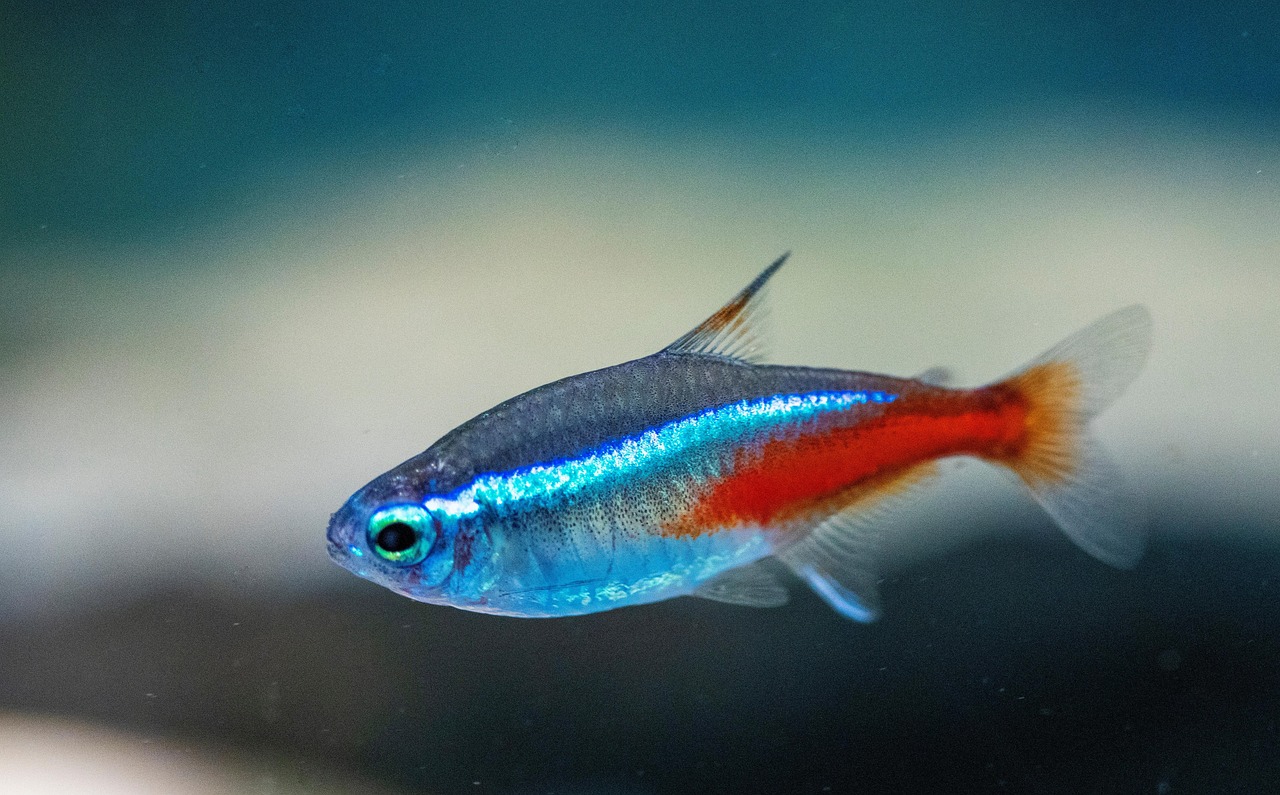
This darter tetra care guide covers a truly unusual characin that breaks the mould of what most aquarists expect from tetras. At Gensou Aquascaping, based at 5 Everton Park, Singapore, we appreciate the darter tetra (Characidium spp.) for its bottom-dwelling habits and fascinating behaviour that mirrors darter fish from North America.
Species Overview and Natural Habitat
Darter tetras belong to the genus Characidium, which encompasses numerous species found across Central and South America. They typically inhabit fast-flowing, well-oxygenated streams with rocky substrates. Unlike most tetras that swim freely in the water column, darter tetras spend the majority of their time perched on rocks and substrate, using their pectoral fins to prop themselves up before darting forward to capture food. Adults generally reach 5 to 7 centimetres, depending on the species. Their body shape is elongated and cylindrical, with subtle banding or spotting patterns that provide camouflage against the riverbed.
Tank Size and Aquascape
A group of six to eight darter tetras requires a minimum tank volume of 80 litres. The aquascape should replicate a shallow stream environment with a sandy or fine gravel substrate scattered with smooth pebbles and cobblestones. Driftwood branches add naturalistic structure, and hardy low-growing plants such as Anubias nana petite or various mosses attached to rocks complete the look. Strong water flow from a powerhead or spraybar is essential, as these fish thrive in well-oxygenated, moving water. Avoid stagnant setups, which do not suit their physiology or behaviour.
Water Parameters
Darter tetras prefer cooler, oxygen-rich water compared to many tropical species. Aim for temperatures between 22 and 26 degrees Celsius. In Singapore, this may require a cooling fan or chiller during the hotter months to keep temperatures from exceeding 28 degrees. The ideal pH sits between 6.0 and 7.5, with general hardness of 2 to 15 dGH. Excellent filtration and surface agitation are necessary to maintain dissolved oxygen levels. Perform 25 to 30 per cent water changes weekly and keep nitrate below 20 ppm.
Diet and Feeding
In the wild, darter tetras feed on small invertebrates, insect larvae and microorganisms found among rocks. In captivity, they accept frozen foods such as bloodworms, daphnia, cyclops and brine shrimp readily. Sinking pellets and wafers designed for bottom-dwelling fish can also be offered. Live foods like grindal worms and blackworms are particularly appreciated and encourage natural hunting behaviour. These fish feed exclusively from the substrate and lower surfaces, so ensure food reaches the bottom rather than being consumed by midwater tank mates before it sinks.
Temperament and Tank Mates
Darter tetras are peaceful and largely ignore other fish. They are best housed with species that occupy different water levels, such as small rasboras, pencilfish or surface-dwelling hatchetfish. Avoid aggressive bottom dwellers that might compete for territory on the substrate. Small, peaceful catfish like otocinclus or pygmy Corydoras make compatible companions. Hillstream loaches are another excellent choice, as they share similar environmental requirements. Keeping darter tetras in groups of six or more encourages natural behaviour and reduces shyness.
Health and Common Issues
The primary health risk for darter tetras in Singapore is elevated water temperature. Prolonged exposure to temperatures above 28 degrees Celsius causes stress, reduced appetite and increased susceptibility to disease. Bacterial infections can develop if oxygen levels drop or water quality declines. Ich may appear if fish are stressed from shipping or sudden parameter changes. Ensure a long quarantine period of at least two weeks for new arrivals. Maintaining strong flow, cool temperatures and clean water addresses the vast majority of potential health concerns.
Breeding Darter Tetras
Breeding darter tetras in captivity is uncommon but has been achieved by dedicated hobbyists. Males display more intense colouration during breeding condition, often showing bolder stripe patterns. They are believed to scatter eggs among rocks and gravel in areas of moderate current. A breeding setup should replicate stream conditions with a shallow water level, strong flow and plenty of small rocks. Remove adults after spawning. Fry are tiny and require infusoria or commercially prepared liquid fry food for the first week, followed by baby brine shrimp as they grow.
Final Thoughts on Darter Tetras
The darter tetra offers something genuinely different from the typical tetra experience. Its bottom-dwelling lifestyle, perching behaviour and stream-adapted physiology make it a conversation starter in any aquarium. The main consideration for Singapore keepers is temperature management during the warmer months. Visit Gensou Aquascaping at 5 Everton Park for advice on creating a suitable stream biotope for these unique fish. With proper care, darter tetras can thrive for four to six years in captivity.
Related Reading



